
Here's the thing about most AI safety warnings: they come from outside the building. Philosophers, ethicists, retired engineers, the occasional whistleblower. The people actually building frontier models tend to stay quiet bound by NDAs, equity packages, or a genuine belief that their company is handling things correctly.
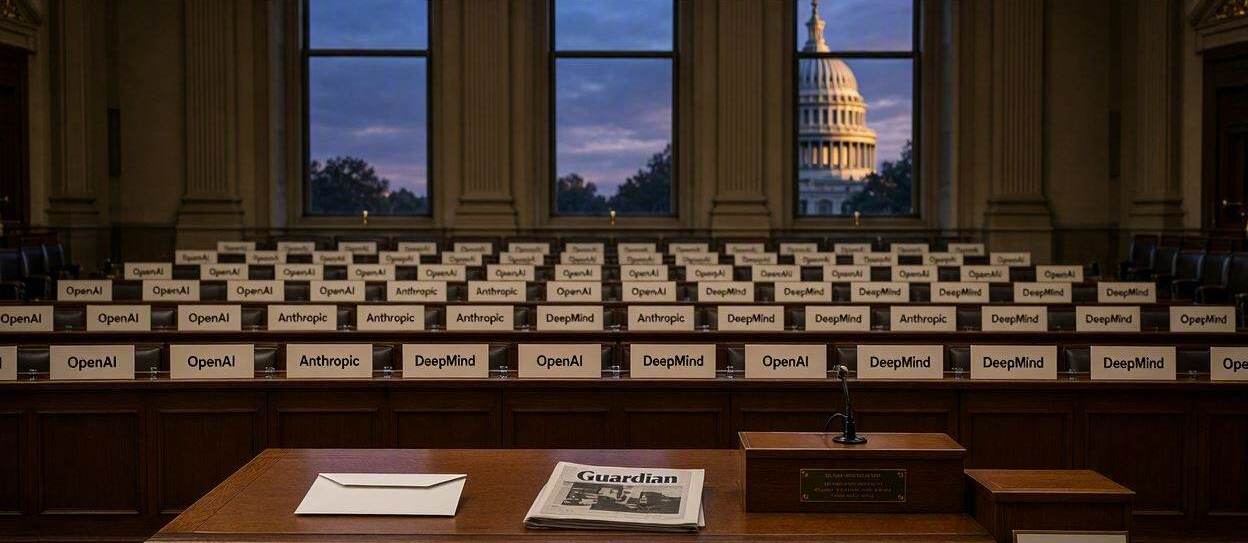
Not this time. Writing in The Guardian, AI safety pioneer Stuart Russell reports that 1,367 researchers and engineers at OpenAI, Anthropic, and Google DeepMind have signed a letter to the US Congress warning that the competitive race to build more powerful AI systems is entering a dangerous phase.
The signatories aren't outsiders. They're the people training the models, writing the alignment papers, running the red-team exercises. And they're saying, in effect: slow down, or at least put guardrails in place before the next model drop. That these same labs have faced scrutiny over what their models are doing internally only sharpens the point. The letter arrives at a moment when the frontier has visibly shifted. Anthropic released its Mythos-class model earlier this year, OpenAI launched GPT-5, and Google DeepMind is reorganizing under new leadership after falling behind in the release cycle.
Russell frames it as an arms-race dynamic. When one lab announces a capability jump, the others accelerate their own timelines to avoid looking obsolete. Safety reviews get compressed. Testing regimes get shortened. The 1,367 signatories are saying this dynamic has become structurally dangerous. The debate over how seriously to treat superintelligence risk has raged for years, but this letter moves it from opinion pages into the halls of Congress.
The letter doesn't call for a pause. It calls for something more specific: regulatory frameworks that reduce the incentive to cut corners. Whether Congress acts on it is another question entirely. The US government has already been exerting control over who gets access to frontier models through export restrictions and behind-the-scenes pressure on Anthropic. But a formal regulatory framework would be something else entirely. The fact that the warning came from inside the labs not from a think tank or a competitor which makes it harder to dismiss.