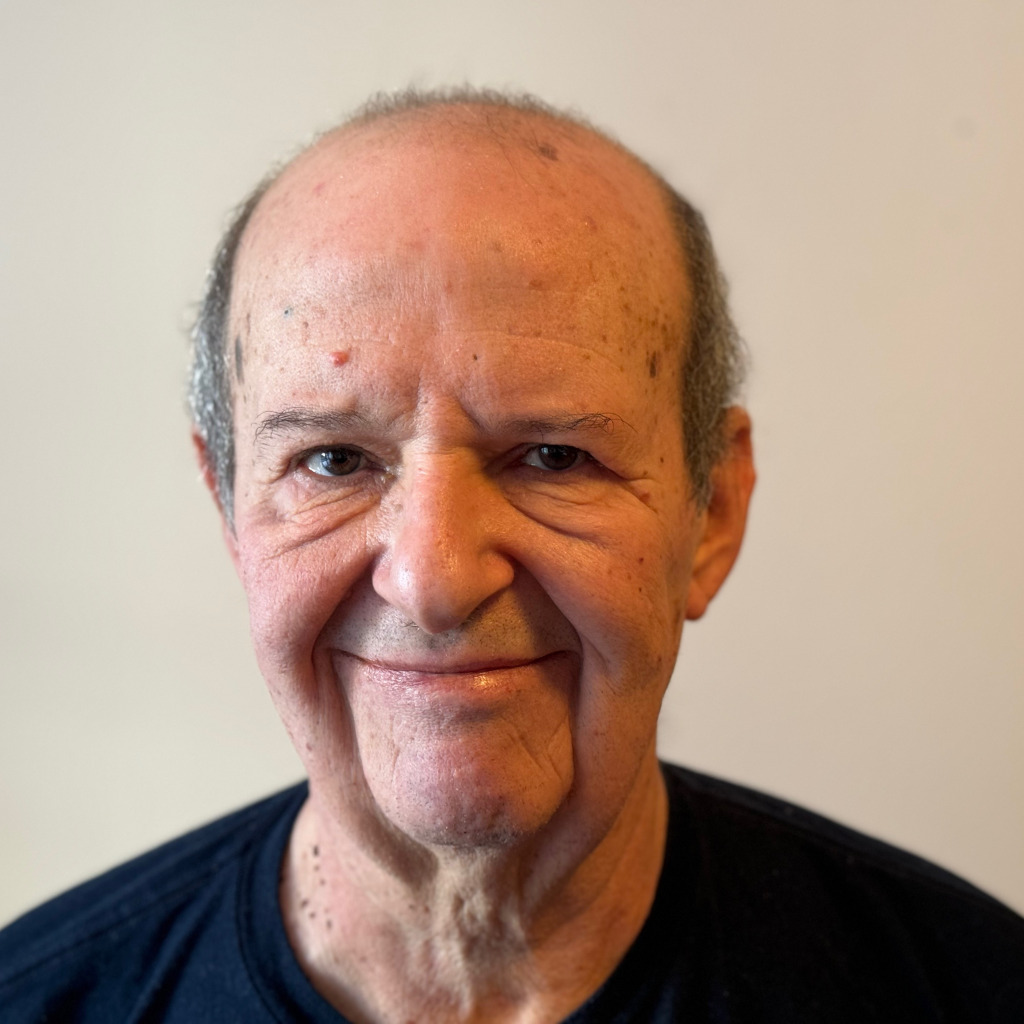
Neuralink has released a short film that follows Terry, a patient who has bulbar-onset ALS. Terry can still move, but his speech has become so slurred that strangers and, increasingly, his wife struggle to understand him. The film opens with a failed phone call about an insurance claim. Then Terry's wife describes an extrovert who had just made partner, then came home from work dinners with unexplained slurring, left his job on disability, and feared losing the ability to say what he needed. Terry, in his impaired voice, says losing speech has affected him in many ways and that he hopes the study will let him be part of the conversation again. He is introduced as the third participant in Neuralink’s VOICE trial.
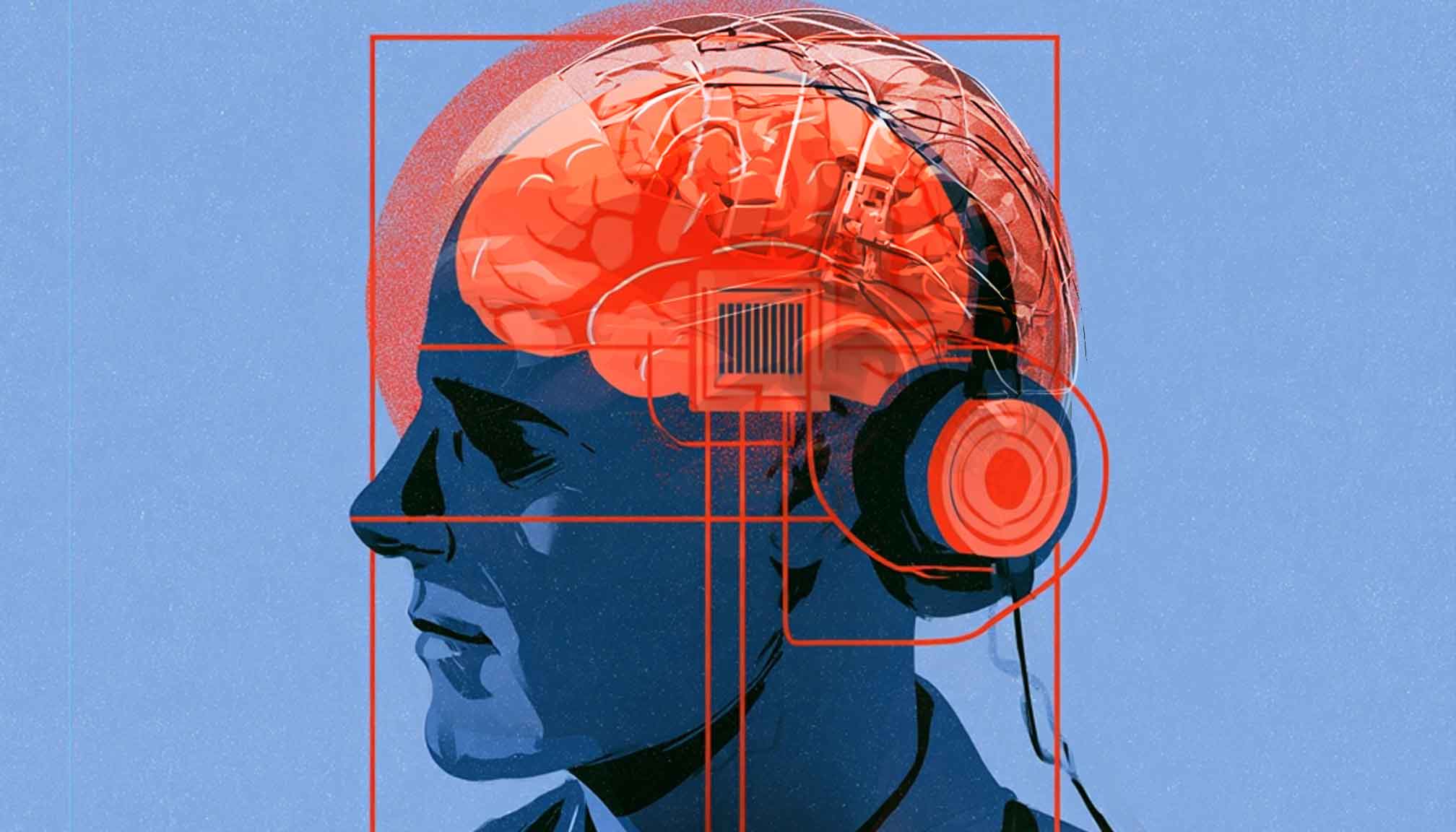
VOICE is Neuralink’s investigational speech-restoration study. It tests whether the N1 implant can record signals from brain areas that normally drive the mouth, tongue, and voice box and turn intended speech into text or audible words, including a reconstruction of the person’s own voice. The company describes the study, who may be eligible, and how the approach is supposed to work. The device has not been approved for sale.
Training the implant to speak for him
The video shows some training sessions, then shows Terry using the implant. He says the implant hsomeone realizes he thinks words as they appear on the screen and are vocalised - he says “I love you.”
The video is a patient story and a lab demo, not a clinical paper. It does not give speed, vocabulary size, error rates, or how often the system works outside the session. Neuralink’s own description notes that the device is investigational and that this experience may not apply to every participant.