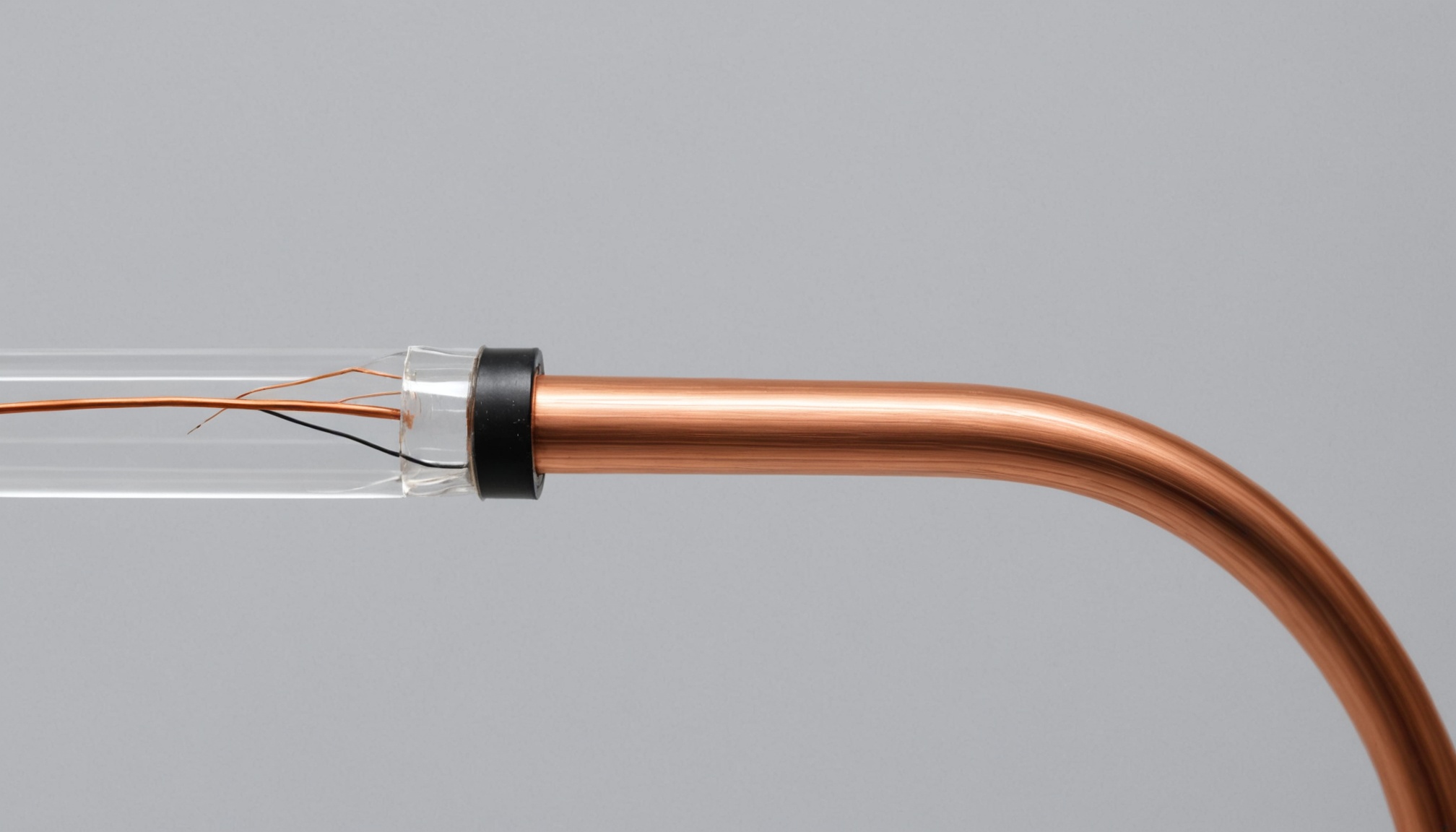


Engineers at EPFL have built a motor that looks like a thread. It is 1 to 3 millimeters across and is meant to drive soft robots and wearable devices. The motor, called FiberMotor, turns electrical energy directly into motion.
The device is two hollow fibers, one inside the other. Insulated copper-wire electrodes, only a little thicker than a human hair, are coiled tightly around each fiber. When voltage is applied, electrostatic forces repeatedly draw the fibers into alignment. The inner fiber then slides inside the outer one, like the tubes of a telescope. The engineers call it the first fiber-format sliding motor. They say it produces enough force for soft robotic devices while staying silent, flexible, and able to move in both directions.
Many ordinary movements, such as lifting, pushing, and pulling, are linear rather than spinning. Motors strong enough for that kind of motion usually need rigid gears and other bulky parts, which is a problem for clothing and wearable robots. So-called artificial muscles can contract or bend, but only as far as their materials stretch. FiberMotor’s travel is limited only by the length of the fibers.
How the motor behaves under a load
The lack of gears also makes the motor backdriveable. That means an outside force can move it. If a wearer shifts the wrong way, the fibers slide past each other instead of locking. In the laboratory, one FiberMotor held a stationary load of about 75 grams. Four bundled together lifted a 46-gram chocolate bar and bent a robotic finger pulled by a tendon.
The engineers also fitted the motor into a prototype garment shaped around a knee. Because the fibers are thin and light, they picture many of them spread through a textile, rather than one rigid motor doing all the work.
Next they want thinner electrodes, made mostly of insulating material, and tougher construction. The intended uses are soft exosuits that help people move, wearable haptic systems that give a sense of touch in virtual reality, and lightweight prosthetics. The company Elecsyor will commercialize the work. Later versions may use data on a wearer’s position and movement so the motor can change what it does as the person moves.