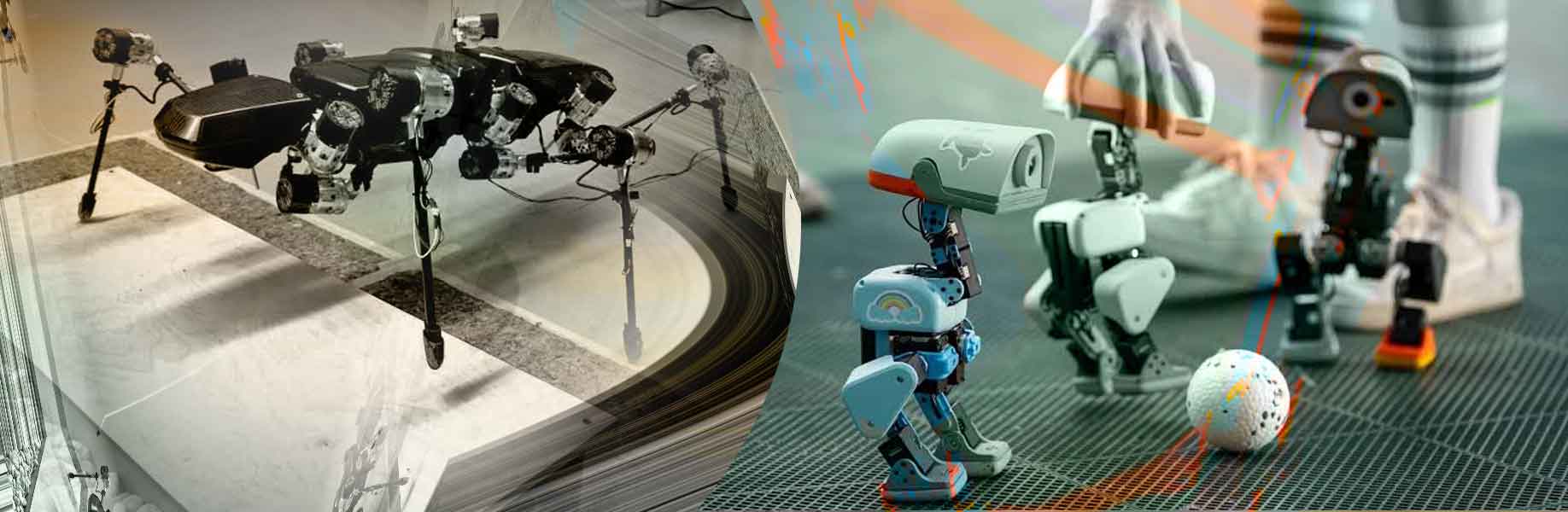

Researchers taught a robot to walk by watching a stick insect rather than by writing a step-by-step recipe for each leg. Insects walk well with small nervous systems. The hope is that the same skill can move onto machines that need to cross broken ground, including disaster sites where wheels cannot go.
Stick insects are a common subject in walking studies because their bodies are easy to film and their steps are clear. The work used a public recording of only three or four steps. From that short clip, an artificial intelligence (AI) system tried to recover two things at once: what the insect seemed to be aiming for, and how the legs should move to reach that score. The question was what the insect was trying to achieve, and the machine was left to chase the same goal on its own.
From insect film to a different body
The six-legged robot learned to walk in about an hour, crossed uneven ground, and kept going after one limb was missing. Learning with the inferred insect goal was about three times faster than learning with a standard, hand-written reward. Programming each new robot’s legs by hand is slow and must be repeated when the body changes. This method tries to skip that work by using an animal as the teacher.
One part of the walking method is meant to hold facts that should be true for any walking body. The other part holds details that belong only to one machine. In this case, a few steps from one stick insect yielded a principle that still worked on a machine about five times larger.
This research is published in Bioinspiration and Biomimetics. The next planned step is memory, so the robot can store experience over time rather than treating each outing as new. Disaster response is mentioned as a possible later use, not as a test already done.