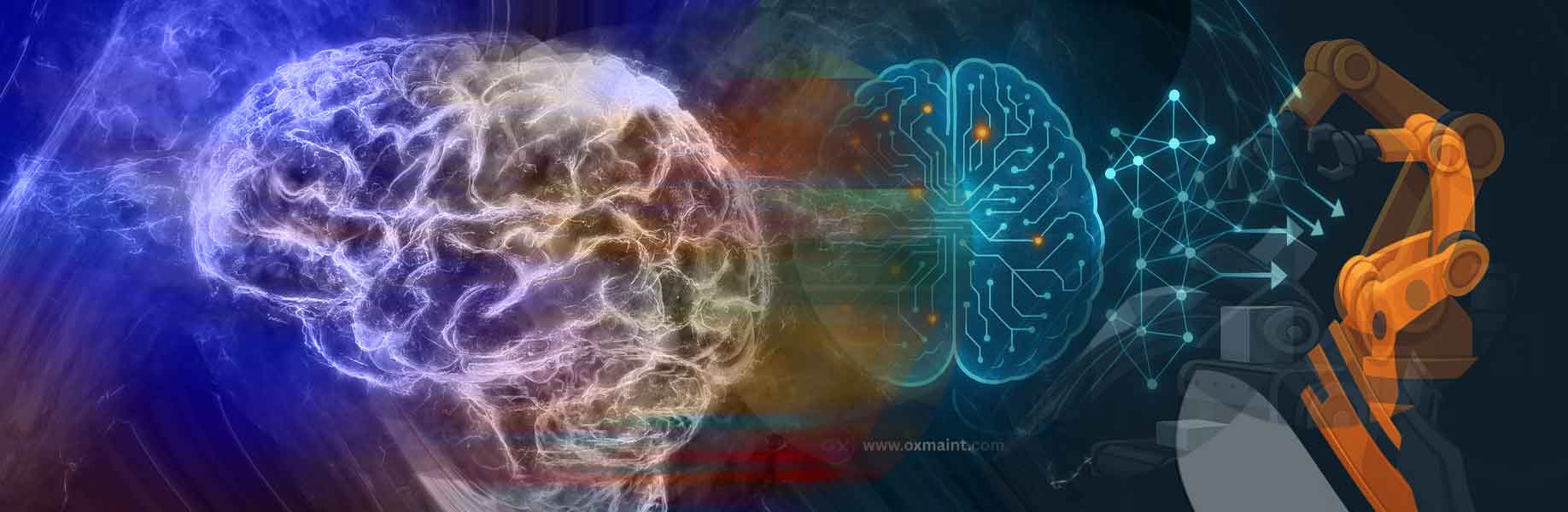

Modern manufacturing uses more artificial intelligence (AI) and real-time data processing. This creates a need for faster, less power-hungry computers. Neuromorphic computing offers a solution by copying how the human brain works to process information.
Unlike traditional computers, which handle data in a straight-line way that uses a lot of energy, neuromorphic devices work in parallel and adjust to new inputs on the fly.
A review in the International Journal of Extreme Manufacturing looks at recent progress. The authors describe combining machine learning algorithms with new hardware to make neuromorphic devices. These could help in advanced AI, brain-like processing, and interactive technologies.
The review explains embedding machine learning models into devices that act like biological neurons and synapses. Models include support vector machines, artificial neural networks, convolutional neural networks, recurrent neural networks, and reservoir computing. These neuromorphic chips learn from data, adapt to changes, and process info in real time, boosting smart manufacturing.
Key advances and applications
A big step is 3D neuromorphic device arrays, stacked networks like the brain for fast, low-power work, tested in sensory systems for artificial vision, machine sight, and touch sensing, where they react on their own.
For factories, this means machines sense surroundings better, switch tasks, and decide without cloud computing, remote data servers, or much outside info. It leads to self-running plants, smart robots, and instant quality checks, all with lower energy.
Challenges include making systems more exact, reliable, and efficient as old chip growth slows and AI needs rise. The review notes materials like solid-state electrolytes, solid ion conductors, and ion gels, soft ion materials, to cut power. Future work focuses on shrinking parts, blending into big systems, and using in brain-like platforms for new AI, big data handling, and human-machine interfaces. By mimicking biology more, these could blend natural and artificial thinking.