

Researchers at UC Berkeley, and NVIDIA say teams of AI agents can now write robot-control programs, test them in simulation and revise the code when something fails. They call the approach agentic robotics, meaning AI systems that can reason, plan and use tools take over much of the work of programming robots. The researchers say it could ease two obstacles: the enormous data needed to train robots and the intense engineering needed to program them.
Engineers have long had two options. In model-based robotics, specialists write the software that tells a robot how to perceive objects and plan movements. In model-free robotics, robots learn behaviors from demonstrations, which demands enormous data. The researchers warned of a "100,000-year data gap" holding robots back, because robotics has nothing like the text and image collections used to train chatbots. Agentic robotics, they says, links the two methods without new data.
Testing skills in virtual worlds
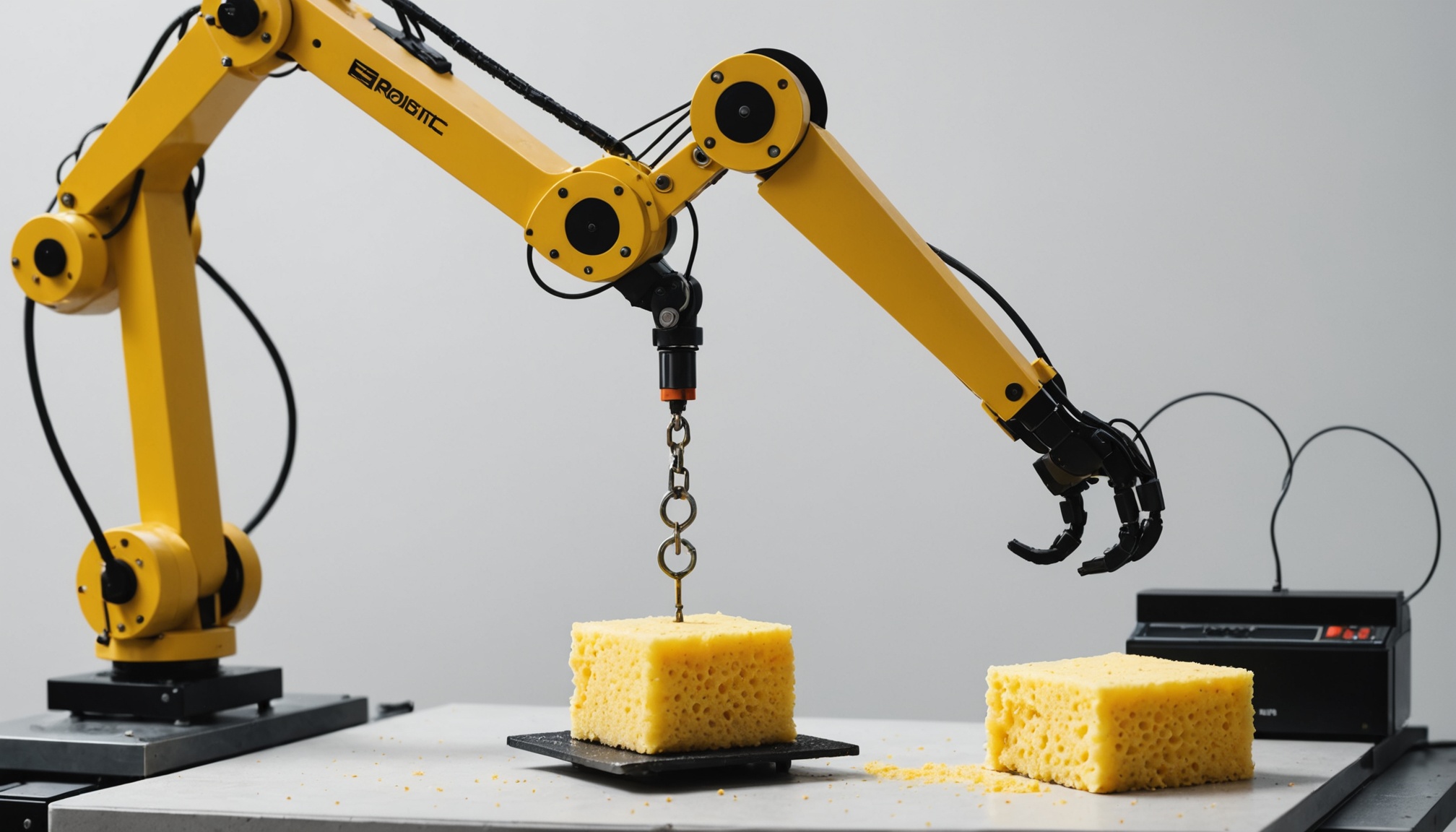
The team's framework, called Graph-as-Policy, breaks a robot task into individual skills, such as finding an object, planning a grasp and moving without collisions. AI agents connect these blocks into a program and rehearse it in NVIDIA's Isaac simulation software, finding failures and refining the code before deployment. In one experiment, an AI tool built a physics simulation from a short video of a robot wiping ink off a metal bar with a sponge, then produced a control program that worked on the real robot. When the robot knocked the bar over because it misjudged the mass, the AI used video of the failure to improve its simulation and revise the program. "This is when I got goosebumps," a researcher said.
Berkeley-based Ambi Robotics has already used the method to analyze parcel-sorting data, raising capacity by over 15,000 packages per robot annually, an update now deployed across 30 percent of its United States fleet.
The work matters because it offers a practical way around the data shortage that has slowed robotics, at least for repetitive industrial tasks. Home robots that fold laundry remain distant, but the researchers compare this moment to the World Wide Web and ChatGPT, calling agentic robotics a true paradigm shift.