

The Future of Marketing: AI as a Collaborative Storyteller
Storytelling has always been the cornerstone of effective marketing, as human connection is rooted in narrative rather than raw information. While brands once relied on static slogans and broad emotional campaigns, the digital revolution moved engagement toward interactive social media and influencer-led content. Today, artificial intelligence is emerging as a powerful co-creator, not by replacing human ingenuity, but by amplifying it through data-driven insights and hyper-personalized content. This transition from 'broadcasting' to 'narrowcasting' allows marketers to shift away from one-size-fits-all messaging in favor of dynamic stories tailored to individual consumer preferences.
The Evolution of Marketing Narratives
The journey of marketing storytelling has evolved through three distinct phases. In the traditional era, print, television, and radio focused on mass-market emotional appeal. The digital era introduced two-way communication, enabling brands to interact directly with audiences and empowering influencers as primary storytellers. We have now entered the AI era, where predictive analytics and generative models allow for unprecedented personalization. By moving beyond simple demographic targeting, AI enables brands to deliver millions of unique narratives, each tuned to the specific behaviors and interests of individual consumers.
Enhancing Storytelling Through AI
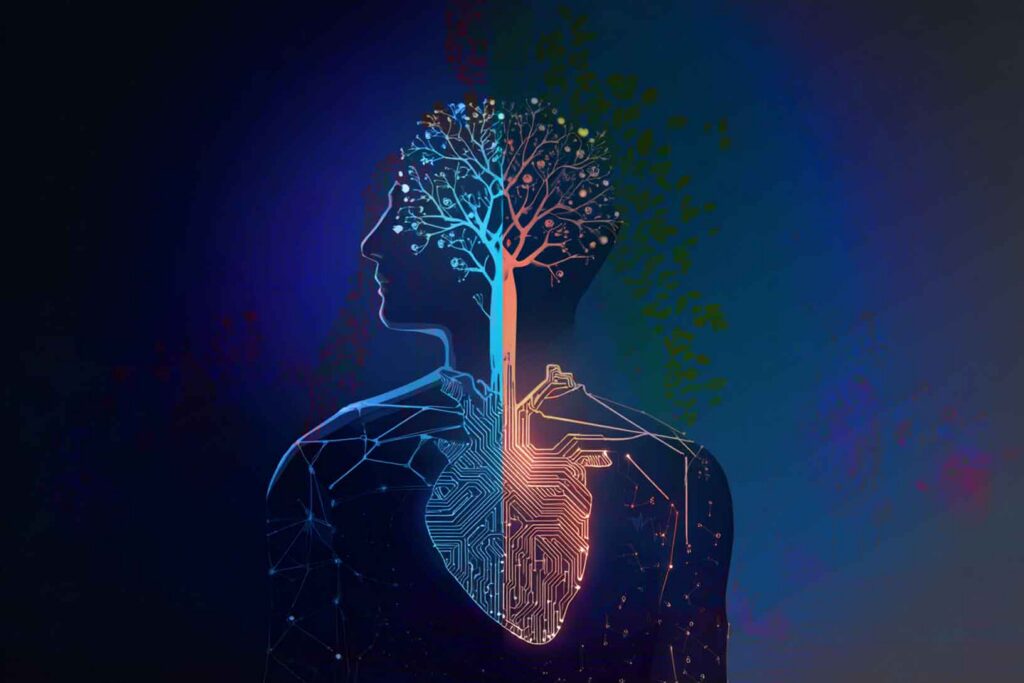
AI serves as a catalyst for deeper engagement by facilitating personalization at scale. Tools that analyze browsing history and purchase patterns – such as the data-driven approach behind Spotify’s 'Wrapped' campaign – enable brands to craft unique user journeys. Furthermore, AI-powered content generation reduces production bottlenecks, allowing creative teams to focus on strategy and emotional resonance. Predictive analytics further refine this process by identifying which narrative angles will perform best with specific segments, such as Gen Z or sustainability-focused audiences. By integrating multimedia tools for video and audio synthesis, brands can create immersive, interactive experiences that function as cohesive, personalized narratives.
Navigating Challenges and Ethics
Despite these advancements, the integration of AI requires a careful approach to avoid potential pitfalls. There is a tangible risk of content homogenization, where over-reliance on algorithms leads to repetitive, uninspired messaging. Moreover, hyper-personalization necessitates strict adherence to data privacy standards to maintain consumer trust. Perhaps most importantly, brands must preserve a sense of authenticity; audiences crave genuine human connection, and campaigns that feel purely robotic or manipulative risk alienating their base. The most successful marketing strategies will be those that strike a balance, using AI for its analytical precision while relying on human imagination to provide the emotional depth that defines truly memorable storytelling.
Conclusion
Artificial intelligence is not the end of human storytelling; it is the next chapter. By merging data-backed insights with creative vision, marketers can build campaigns that are both deeply personal and universally resonant. The future of the industry lies in the collaboration between human creativity and machine efficiency, where AI provides the scale to reach audiences, and humans provide the originality and empathy that turn a message into a movement. Brands that master this balance will thrive in an increasingly crowded digital landscape.