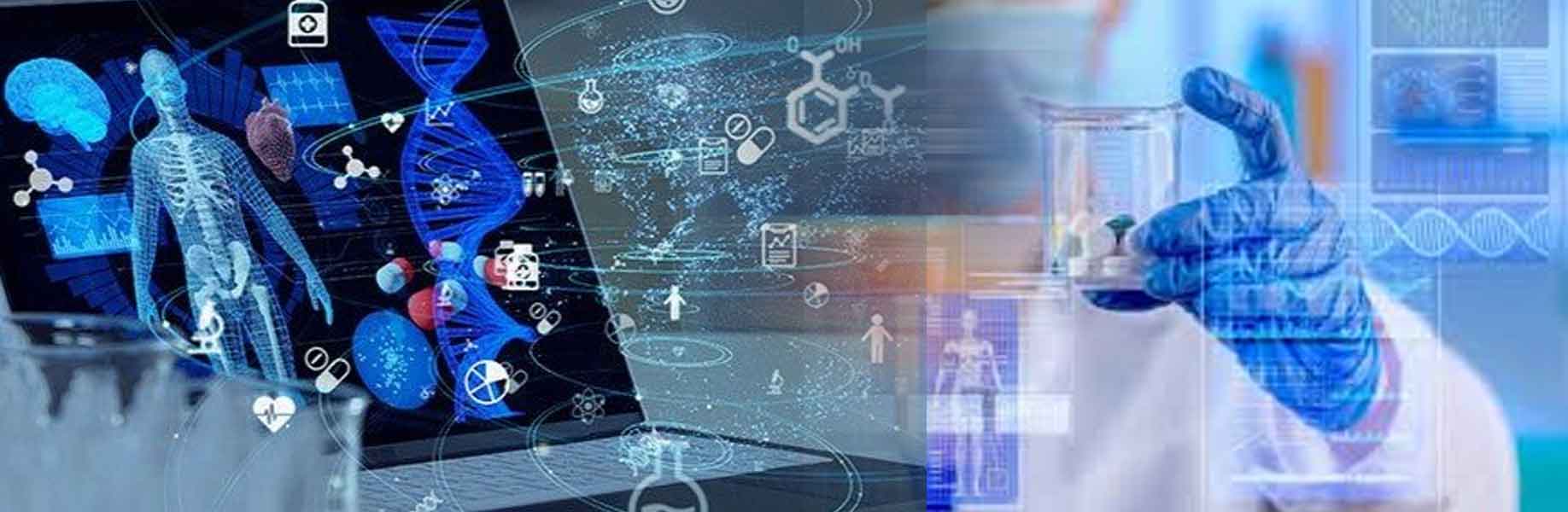

The pharmaceutical industry is changing as artificial intelligence (AI) enters drug development. Large language models (LLMs) are making big changes in finding and creating new drugs. They go beyond simple help to redefine medical research by understanding complex biological information in ways similar to humans. This helps spot promising drug candidates, potential new medicines, hidden in large sets of chemical data.
A study published in Current Molecular Pharmacology looks at how LLMs work in main steps of drug making. In target identification and screening, finding what in the body a drug should aim at and checking options, advanced LLMs like protein large language models mix 3D protein structures, three-dimensional shapes of proteins that are building blocks of life, with data on how molecules interact. This makes the process better.
For molecular design and optimization, creating and improving drug molecules, models like 3DSMILES-GPT make precise new molecules. In drug repurposing, using old medicines for new uses, LLMs quickly study existing drugs to find fresh treatments, saving much time. During preclinical research, tests before human trials, LLMs predict drug toxicity, harmfulness, and interactions well. In clinical trials, tests on people, they automate data checks and watch safety better.
Challenges in using LLMs
However, problems exist with these advances. Getting good datasets is hard, and the models need lots of computing power. AI decisions can be complex and hard to understand. Ethical issues, moral concerns, about keeping patient data private and making algorithms, step-by-step processes, clear are important. In a press release issued by the publisher, the authors of the study note that the future needs strong links between human skills and LLMs. Research should improve how models learn from different data types, mix with special biochemistry tools, which study chemical processes in living things, fine-tune models better, and check predictions more to build a full system for solving tough medical problems through shared intelligence.