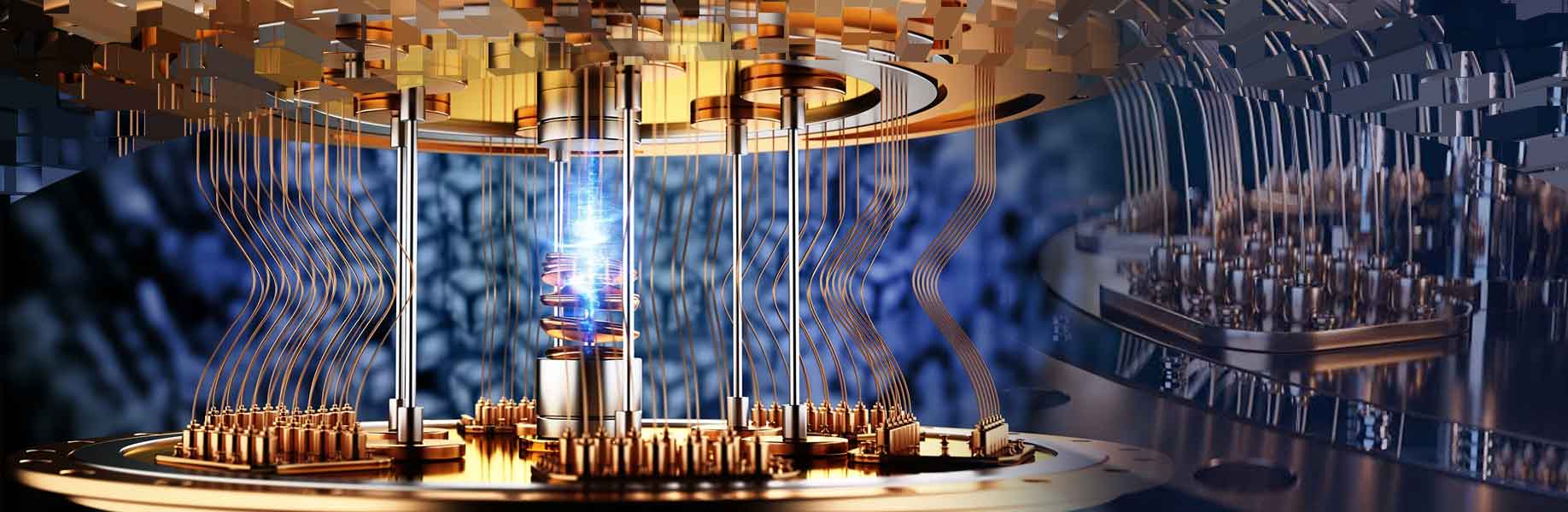
QuEra Computing reports that an artificial intelligence (AI) agent wrote and checked its own quantum computing control software to keep lasers on the right frequency. The agent was Anthropic’s Claude, working through a limited research preview of the Model Hardware Standard, or MHS. MHS is a shared set of rules meant to let AI agents operate laboratory and factory equipment inside declared safety limits. It began as a collaboration between Anthropic and HHMI Janelia Research Campus.
QuEra’s computers use lasers held at exact frequencies to control atomic qubits. Those lasers drift. When a drift is large enough, the machine stops until engineers bring it back. QuEra already automates many common disturbances, but severe laser failures had still needed human judgment. Involving human engineers consumes a lot of time.
Claude was given the same problem on a dedicated testbed. Engineers set the scope, reviewed each step, and decided what counted as success. The agent ran its own experiments, proposed a fix, tried it, read the result, and refined the approach, including overnight. The finished product is ordinary inspectable software, not a model choosing actions while the computer runs. Devices declare bounds, interlocks, and emergency stops in the standard, and the agent must stay inside those limits.
What the pilot measured
In 700 timed trials across seven fault types, and with no hint of what had gone wrong, the controller returned the system to target 695 times and never claimed success when it had failed. The five misses were blamed on a condition of the test rig, not the software. Most faults cleared in under six seconds; the hardest took about 10 to 14 seconds. A human expert typically needed five to 10 minutes. The testbed sat in a working lab with ordinary traffic. Asked to improve the lock rather than only recover it, the agent cut leftover noise by a factor of five and stopped dropouts during unattended runs. An independent instrument later showed that its settings matched an experienced specialist’s tune and fixed a flaw the manual tune had left. Pointed at a second laser wavelength, the agent found the settings from scratch in one overnight run, work that usually takes weeks.