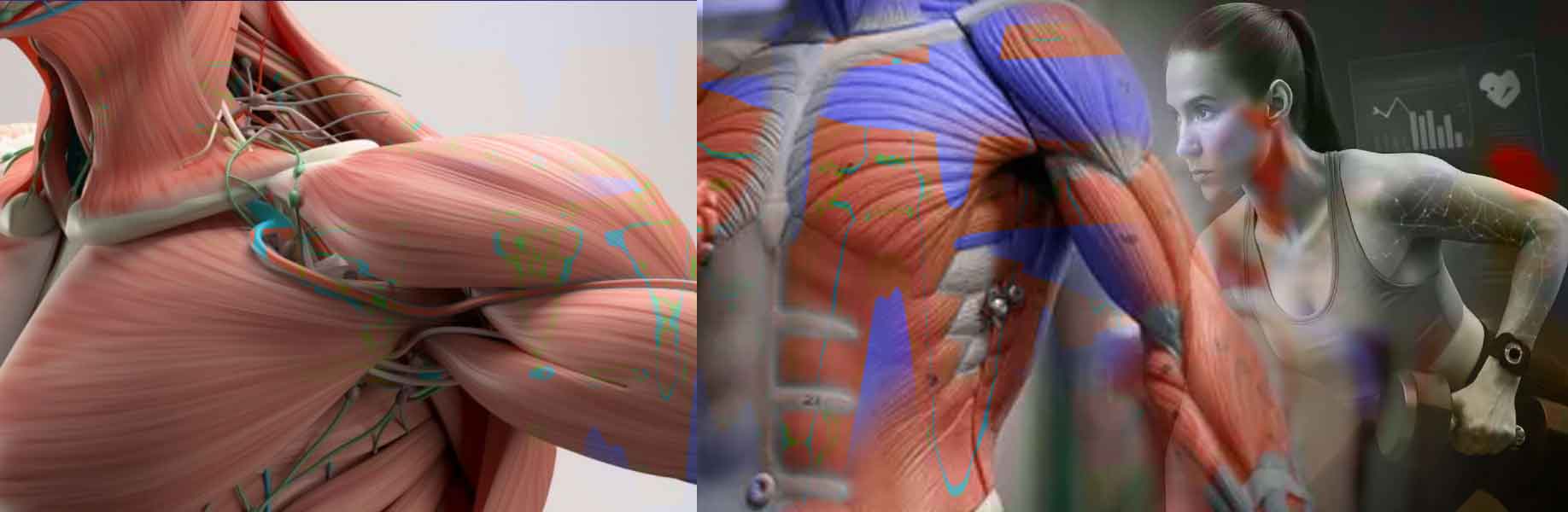
A new research project from the University of Chicago demonstrates how artificial intelligence (AI) can guide human muscles to perform unfamiliar physical tasks. The system uses electrical muscle stimulation, or EMS, which sends small electrical pulses through electrodes placed on the skin to make muscles contract and move in specific ways.
Until now, EMS devices could only help with a few pre-programmed actions, such as playing simple piano notes or practicing basic rehabilitation movements. They could not adapt to new situations or objects. The new approach changes this by combining EMS with advanced multimodal AI. This AI can see the surroundings through a camera, understand the user’s body position, and reason about what action is needed in the moment.
The system generates real-time muscle guidance tailored to the exact task and object at hand. For example, it can help someone tilt open a European-style window, twist open a child-proof pill bottle, or operate a disposable camera. The AI draws on procedural knowledge - the practical “know-how” of how to move the body - rather than just describing steps in words.
Context-aware muscle guidance changes physical assistance
In user tests, participants successfully completed tasks they had never tried before while receiving gentle muscle cues from the EMS.
The technology could be useful in several areas. In healthcare, it might help patients practice movements during rehabilitation at home. In industry, it could shorten training time for workers learning new tools or machines. For accessibility, it offers direct physical help to people who are blind or have low vision. Everyday users might benefit as well.
The researchers note that improvements in AI reasoning and more comfortable EMS hardware will be needed before the system becomes practical for daily wear.
The work received the Best Paper Award at the ACM CHI 2026 conference and the code has been made openly available for others to build upon. It points toward a future where wearable AI can act as a physical co-pilot, helping people learn and perform tasks through direct guidance to their own bodies.