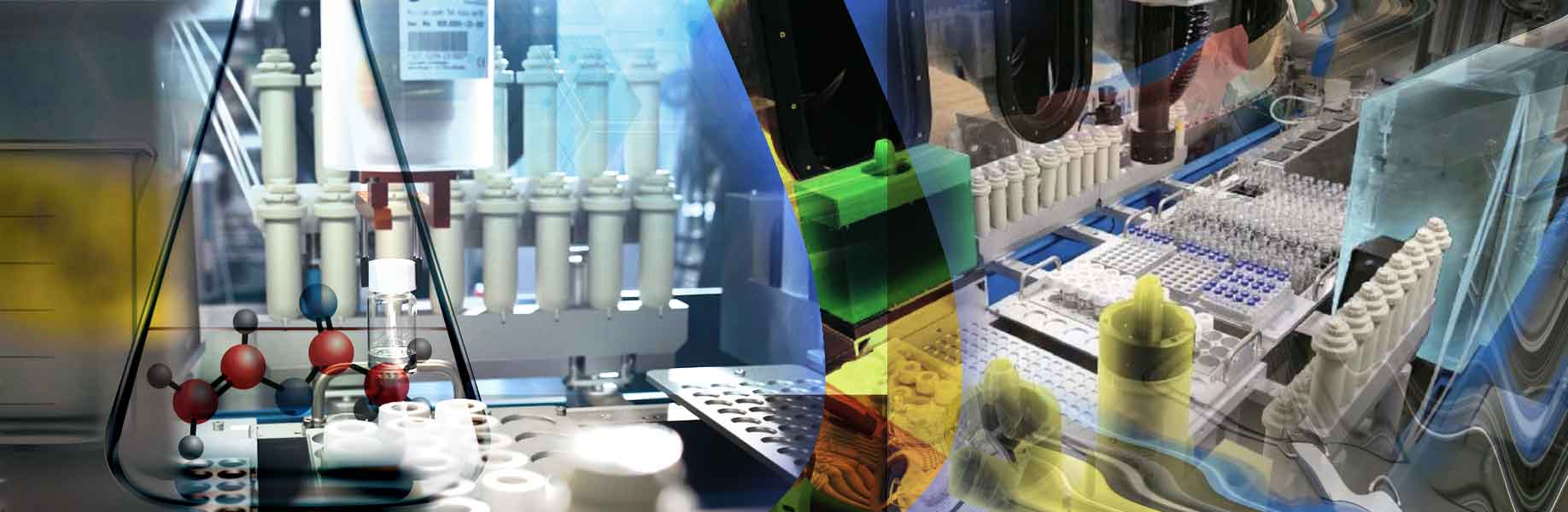

Researchers have created an autonomous laboratory called Flex-Cat that can independently explore many possible catalysts and reaction settings to improve the production of important industrial chemicals. A catalyst is a substance that speeds up chemical reactions without being consumed. The platform combines robotic equipment, high-pressure reactors, automatic product analysis, and artificial intelligence (AI) to find catalysts that work more efficiently and can be adjusted to produce different outputs.
The work focuses on hydroformylation, a key industrial reaction that turns basic chemical feedstocks into aldehydes. Aldehydes serve as building blocks for plastics, medicines, fuels, and other common materials. One major difficulty in this reaction is controlling which isomer forms. Isomers are molecules that contain the same atoms but are arranged differently, which gives them distinct properties and uses.
How the autonomous system finds better catalysts
Flex-Cat prepares catalysts, runs reactions under controlled pressure, analyzes the results, and then decides what to test next. In one study, it carried out 680 experiments with 16 different phosphorus-based molecules called ligands that modify how a rhodium catalyst behaves. The system ran three separate searches: one to maximize a specific isomer, one to favor the other isomer, and one to identify catalysts whose output could be changed simply by adjusting temperature, pressure, or concentration.
The results showed clear improvements. Flex-Cat found combinations that increased catalyst activity by more than two and a half times and expanded the range of possible product mixtures. It also discovered ligands that act like adjustable switches, allowing the same catalyst system to favor different products depending on the chosen conditions. Researchers gained useful information about how the structure of the ligand affects performance, which can guide the design of future catalysts.
This approach reduces reliance on slow, trial-and-error methods and human judgment. It offers a practical way to accelerate the search for better catalysts across many areas of chemical manufacturing.
This research is published in Nature Communications.