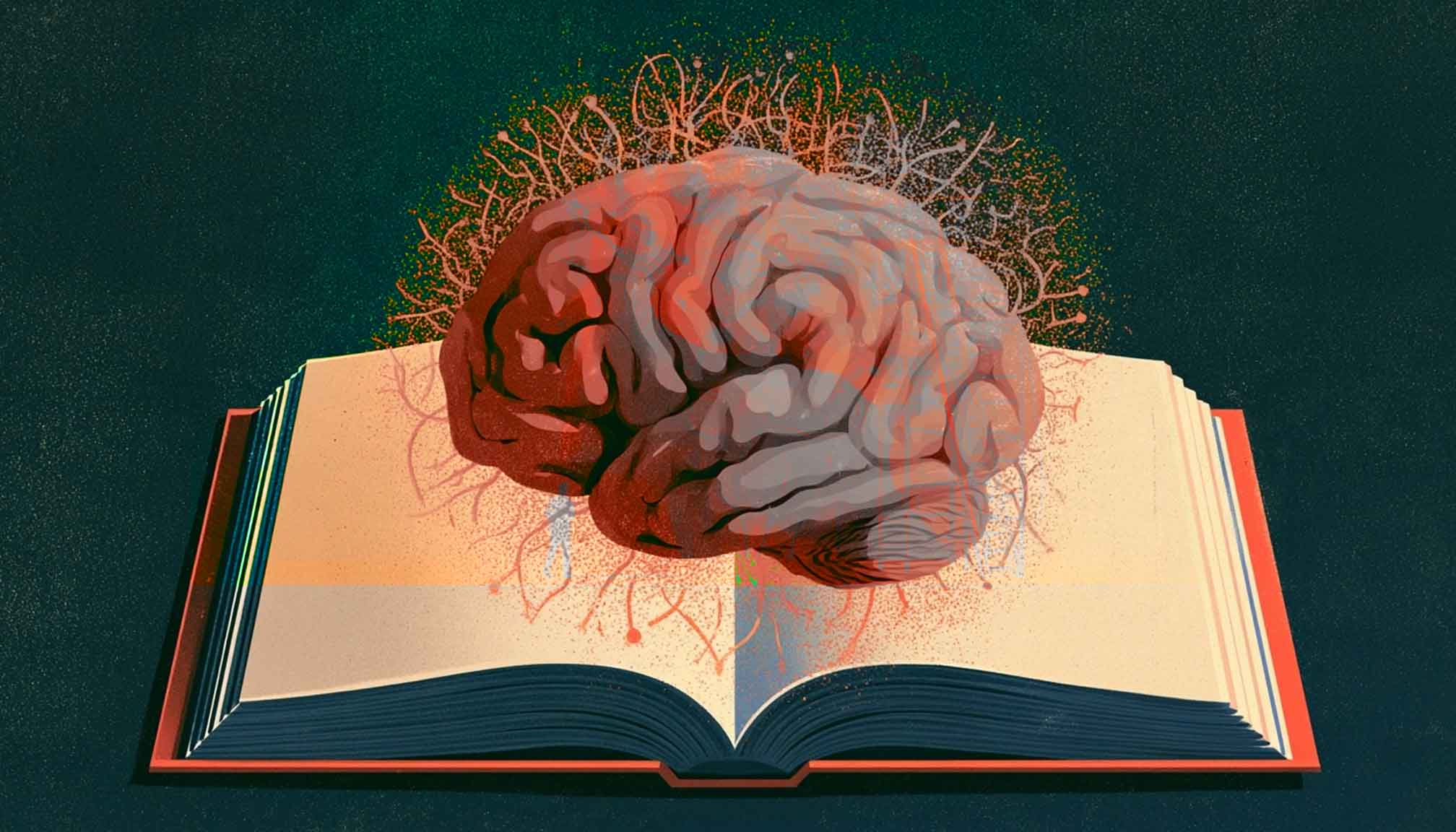


The Aspirational Neuroscience community has announced the winners of its 2026 annual research awards at its fourth annual meetup, held on 16 November at the Society for Neuroscience conference in Washington DC, as reported by Preserving Hope. The awards mark progress toward the Memory Decoding Challenge, a $100,000 prize for the first team to decode a non-trivial memory from a connectome. The prize is still unclaimed, but a panel at the meetup said an earlier estimate that it will be won within two to five years still seems reasonable.
The challenge rests on a leading theory that long-term memories are stored in the pattern and strength of connections between neurons. If that is correct, it should be possible to read a memory directly from the brain's wiring diagram. Concrete examples: working out which odour a fruit fly had been trained to avoid, or which tone a mouse had been fear-conditioned to, purely from connectome data. Advances in automated electron microscopy and in engram research, the study of the physical traces that memories leave in the brain, have brought the goal within reach.
Four winning studies
The first winning study put fear-conditioned mice into a 48-hour artificial hibernation. More than half of their hippocampal synapses were eliminated, yet the mice kept their memories, and what survived was a clustered architecture of synapses between engram cells, hinting at what a memory decoder should look for. The second study showed that fear learning strengthens connections among engram neurons in the rat lateral amygdala, forming a network that might be read from a connectome. The third tested how well the fruit fly connectome predicts the properties of many cell types, and found that predictions work for some features but not others. The fourth confirmed Hubel and Wiesel's 1962 model of visual cortex by imaging essentially every synaptic input onto single neurons, a clear case of reading function from connectivity.
This matters because decoding a memory from a static wiring map would be the strongest test yet of our theories of learning and memory. Most evidence that memories are stored in synaptic connections is indirect, so reading one out directly would show those theories are on the right track. The panel agreed the main bottleneck is now designing the right experiment rather than the technology.