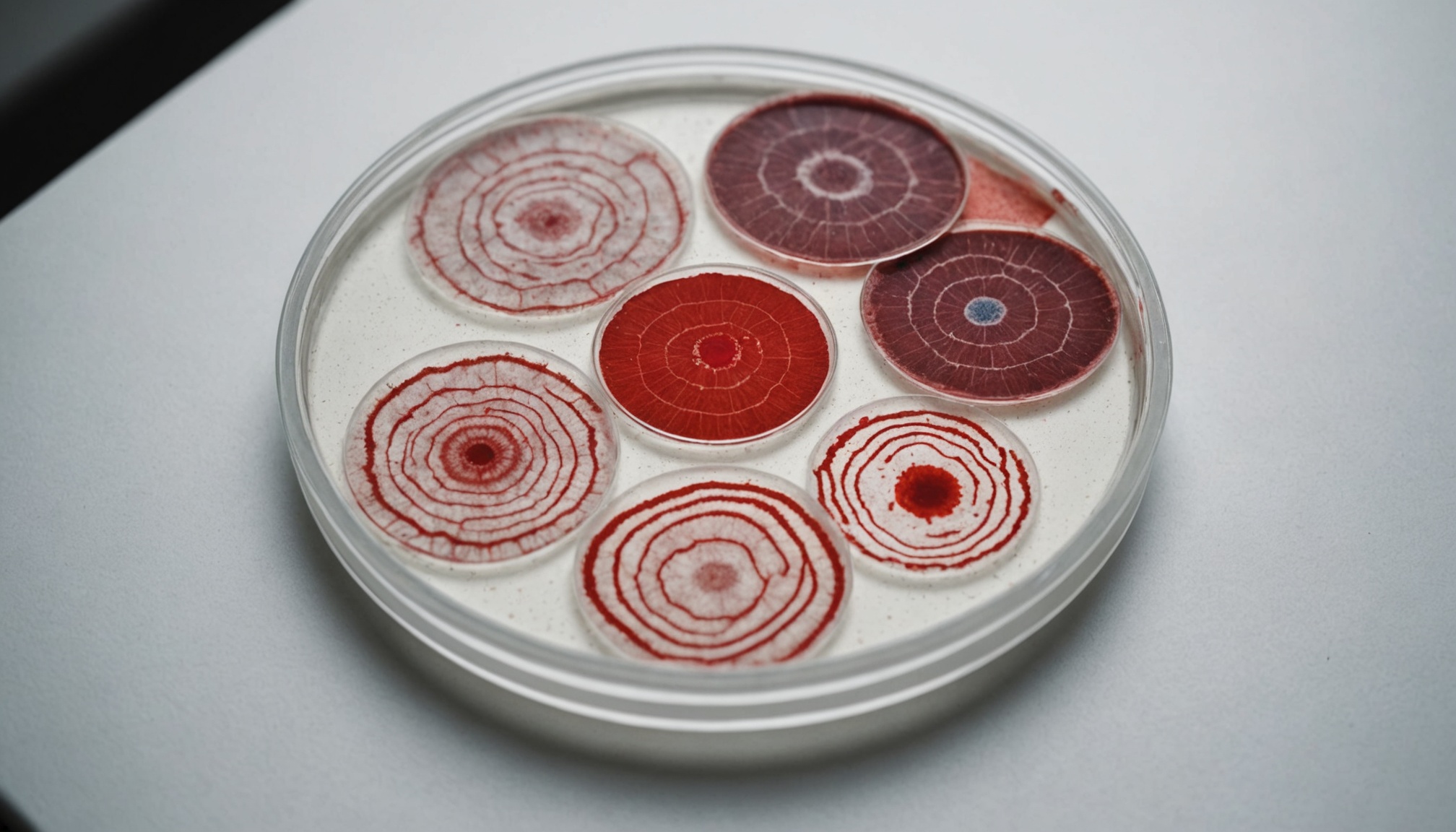


Scientists at the University of Bonn have succeeded in converting blood cell precursors directly into neural stem cells that are significantly younger. Published in Aging Cell, this work offers new possibilities for understanding cellular aging and developing treatments for neurodegenerative diseases.
Cells in the human body normally follow a fixed developmental path. A skin cell contains the same DNA as a liver cell or nerve cell, but its fate is determined early in development through epigenetic mechanisms - chemical modifications that control which genes are active and which remain silent. This cellular identity was once considered irreversible, but modern techniques now allow scientists to redirect cell fate in the laboratory.
To achieve this reprogramming, researchers use specialized proteins called transcription factors. These factors instruct the cell to read different parts of its genetic code, effectively sending it down a new developmental path. Transcription factors are proteins that bind to DNA and control the rate at which genetic information is converted into functional products.
Aging reversed through reprogramming
The scientists focused on a phenomenon that accompanies this cellular transformation: the rejuvenation of the cells. They measured this effect using molecular clocks, which track epigenetic changes that typically accumulate during aging. These DNA modifications do not alter the genetic sequence itself but affect how often particular genes are read.
The results were striking. Blood cells from an 80-year-old donor exhibited molecular characteristics typical of cells less than 20 years old after reprogramming - a reversal of approximately 60 years. This epigenetic de-aging was not merely cosmetic; the reprogrammed cells actually behaved like young cells in functional tests.
What makes this study scientifically significant is the method employed. Previous demonstrations of cellular rejuvenation required a two-step process: first converting cells to an embryonic-like pluripotent state, then directing them toward the desired cell type. Such reprogramming happens rapidly, making it difficult to study the underlying mechanisms. The scientists achieved direct conversion from blood precursors to neural stem cells without passing through the pluripotent stage. This gradual transformation, which could be tracked over more than 100 days, provides researchers with an extended window to investigate which factors and substances influence the pace of rejuvenation.
This work matters because age represents the single most important risk factor for neurodegenerative conditions such as Alzheimer's disease. Understanding how to safely reverse cellular aging could eventually lead to therapies that protect or restore brain function.