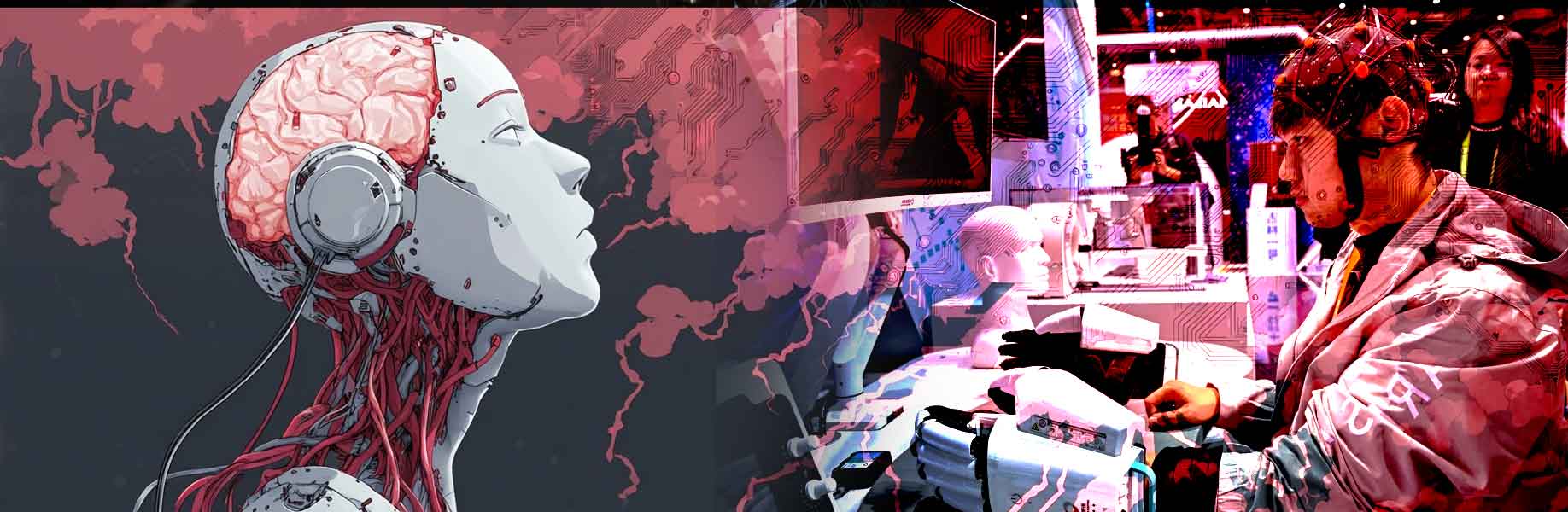

In November 2024, a Chinese patient received an invasive brain-computer interface (BCI) through brain surgery. The implant, called NEO, became the world's first invasive BCI approved for commercial use outside clinical trials, MIT Technology Review reports (open copy). It is now available to certain patients in China with paralysis in all four limbs caused by spinal cord injuries, as long as they still have some arm function.
During a short operation, the device's sensors were placed on the dura mater, the tough outer layer of tissue that covers and protects the brain. Signals travel through a unit on the skull to a computer, which translates them into movements for a soft robotic glove that the patient wears during daily training sessions. Within days of starting rehabilitation, the patient could grab a ball with his bare hand. He now trains at home and hopes to perform everyday tasks independently.
A boost for patients and the BCI field
NEO's design is less invasive than some other devices because its sensors sit on top of the brain's protective membrane rather than penetrating deeper layers. This lowers certain risks and helped speed up approval by China's regulators. The country has also provided strong policy and financial support for BCI development. In contrast, approval processes in other countries often take much longer.
The approval is a major step for the global BCI industry. It shows the technology is ready for larger-scale manufacturing and clinical use. For patients like Dong, it offers real hope of greater independence. China has begun including the device in its health insurance system, making it more affordable for eligible people. More BCI products are expected to reach approval soon.
Experts note that China and other countries approach the technology differently. While some focus on cutting-edge performance, China emphasizes making solutions widely accessible. Collaboration between scientists from different countries continues despite tensions. The next few years are likely to bring faster growth in BCI applications for people with paralysis and other conditions.