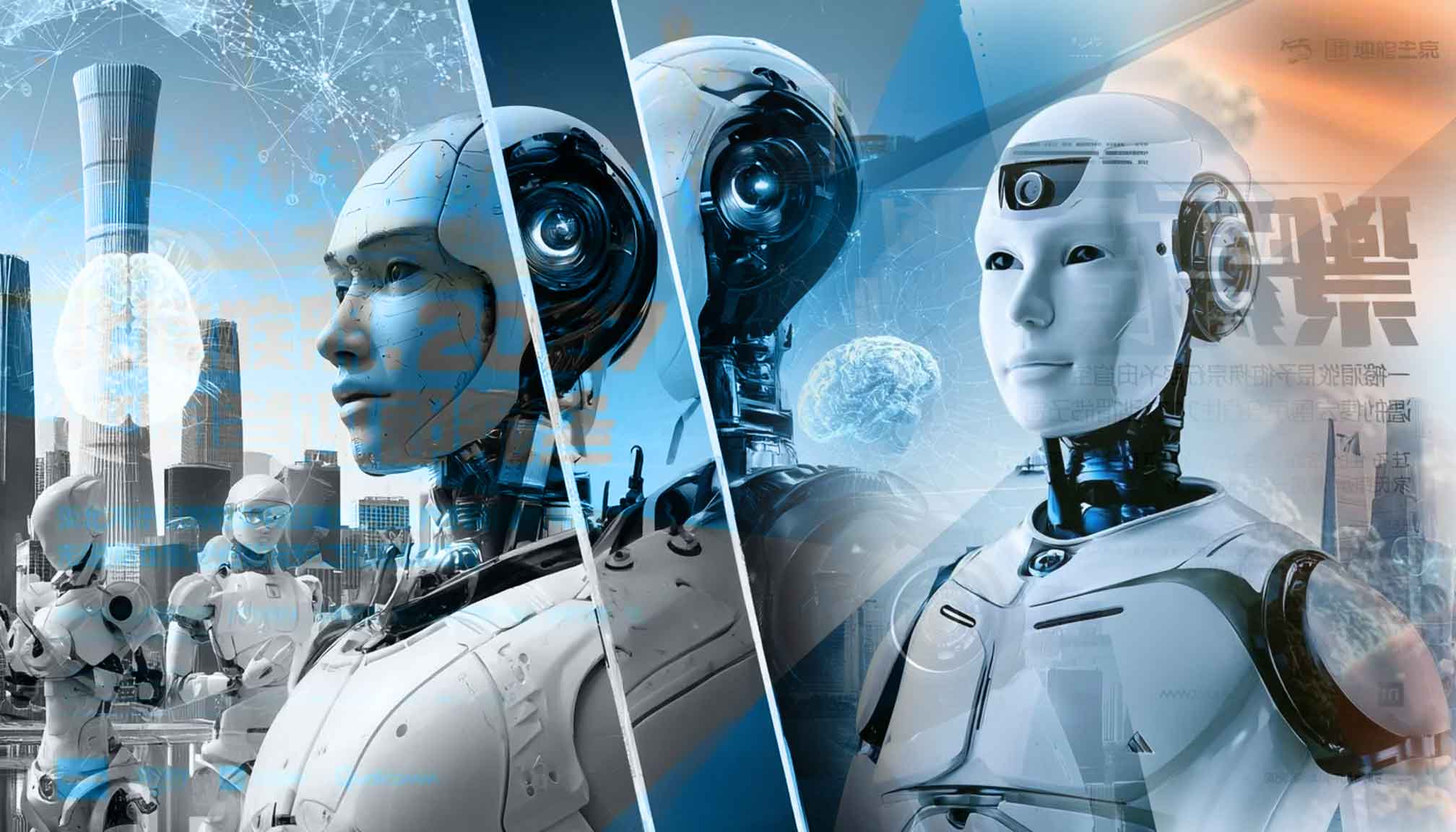


Zhang Yunhan, founder of Spirit AI, a Beijing-based startup that develops control systems for humanoid robots, has predicted that the robotics field may experience a breakthrough moment comparable to the launch of ChatGPT as soon as next year. In an interview published by Reuters, Zhang said that robots will likely be able to complete most general-purpose tasks based on verbal instructions alone by 2027.
The gap between capability and practical deployment
Despite this optimistic technical timeline, Yunhan acknowledged that the path to making robots genuinely useful around the house will take substantially longer. A "robot brain," in industry parlance, refers to the software and neural network systems that allow a machine to perceive its environment, plan actions, and execute physical tasks autonomously. While the underlying technology may reach a threshold where robots understand natural language commands and perform varied physical actions, deploying these systems safely and affordably in households involves additional hurdles including cost reduction, safety certification, and integration with diverse domestic environments.
Spirit AI has established itself as a notable player in the Chinese robotics ecosystem, having announced partnerships with major technology companies including Xiaomi and Qualcomm. These collaborations suggest the startup is positioned at the intersection of hardware manufacturing and artificial intelligence development, with access to both consumer electronics distribution channels and advanced computing components suitable for on-device inference.
The significance of this prediction lies not in any demonstrated technical achievement, but in the public commitment by an industry insider to a concrete timeline for general-purpose robot capability. The comparison to ChatGPT references the rapid shift in 2022-2023 when large language models moved from research demonstrations to widely accessible tools, fundamentally changing public expectations about AI's practical utility. Yunhan is effectively wagering that embodied AI - systems that can reason and act in physical spaces - will undergo a similar inflection point within the next eighteen months.