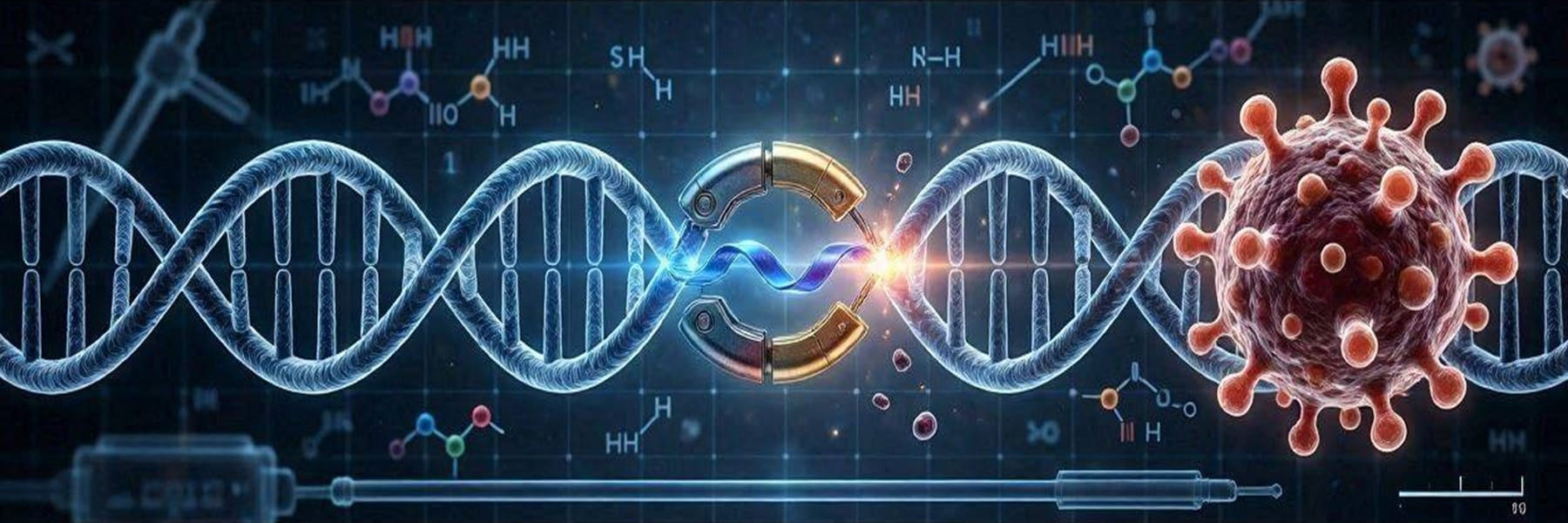

Researchers led by Nobel laureate Jennifer Doudna have developed a CRISPR-based technique that selectively destroys cancer cells by shredding their DNA from the inside, leaving healthy cells untouched.
The system, called CRISPR-Cas12a2, is programmed to detect the specific RNA transcript produced only by cells carrying mutated cancer genes. Once it identifies that signature, the enzyme activates and slices up all the genetic material inside that cell, triggering its death.
The approach targets mutations in the p53 tumor suppressor gene, which is found in nearly half of all cancers and up to 90% of certain hard-to-treat types including ovarian, pancreatic, and non-small cell lung cancer. Despite decades of effort, not a single p53-targeting drug has reached the market because tumor suppressor proteins lack the molecular pockets that small-molecule drugs need.
Jingkun Zeng, the study's first author, said the technique takes CRISPR back to its origins in nature, where the system functions as a destroyer rather than a repair tool. Doudna called it an exciting development that could be quickly adapted to new mutations.
Two papers describing the method were published in Nature. The research was conducted at UC Berkeley's Innovative Genomics Institute, Gladstone Institutes, and UCSF, with collaborators at the universities of Utah and Utah State.