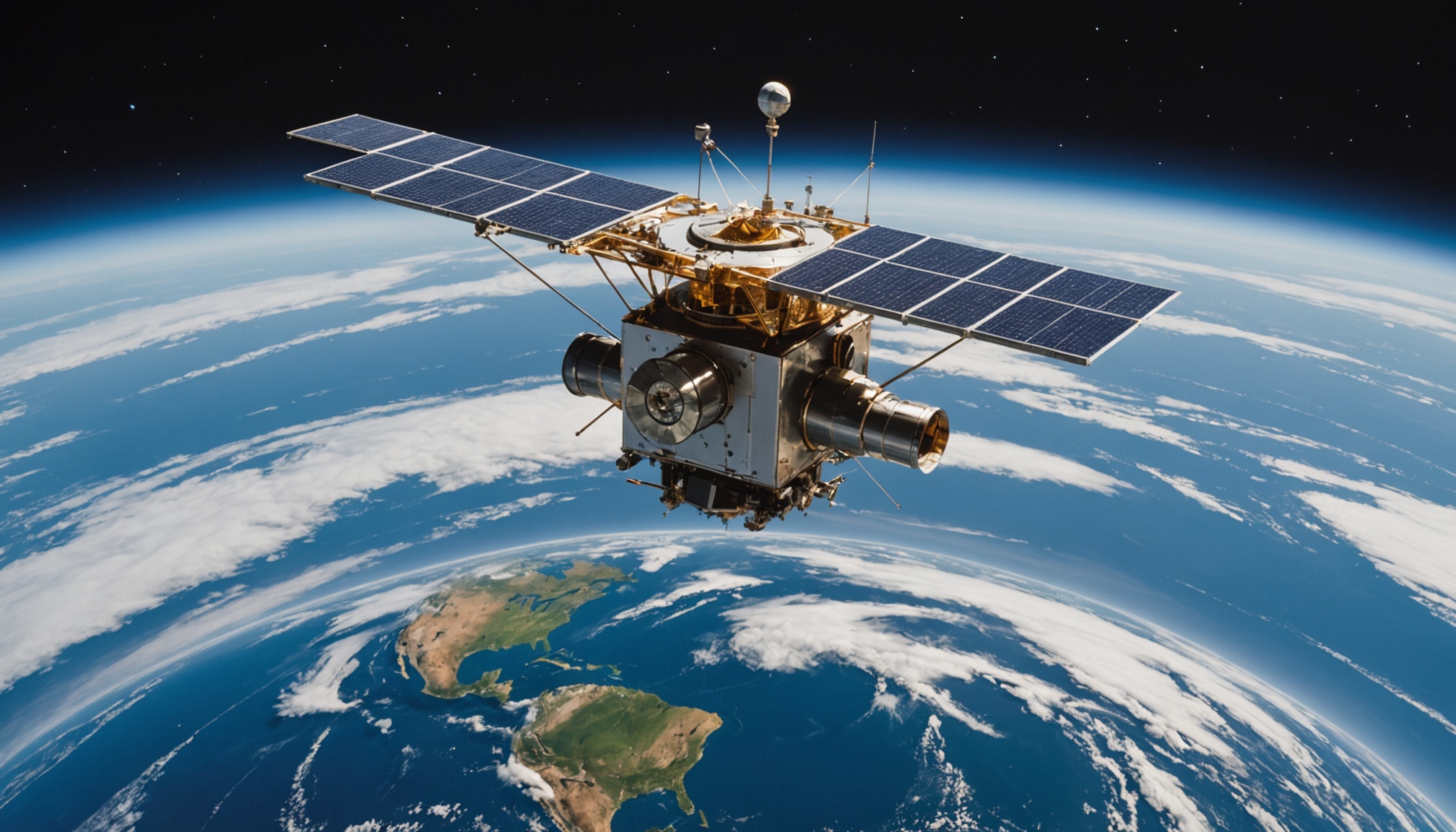


Google has taken a significant step toward building AI data centers in space, launching a test satellite as part of its Project Suncatcher initiative, Fortune reports. The refrigerator-sized satellite, which carries four AI chips, lifted off on a SpaceX rocket on October 1 and is operating as expected, according to company reports.
The project addresses a growing problem for the AI industry: the massive energy and land requirements of Earth-based data centers. As tech companies pour billions of dollars into terrestrial infrastructure, they have faced community backlash and political opposition. Operating data centers in orbit offers potential solutions, including abundant solar power and freedom from land-use constraints.
Technical challenges of orbital computing
Space presents unique engineering hurdles. Cooling is particularly difficult because water and fans do not work in a vacuum. Google's researchers designed a system of heat pipes and radiators to manage chip temperatures, though the current satellite must shut down its processors for cooling after 15 minutes of operation. The chips also face radiation exposure, which can cause errors. Google has tested its chips to withstand radiation levels greater than a five-year mission would produce.
The satellite is powered by solar panels that harvest energy from the sun continuously, without the interruption of night or weather. This energy advantage is a key reason multiple companies are exploring orbital computing. SpaceX founder Elon Musk has predicted that space will become the lowest-cost location for AI infrastructure within two to three years, and Jeff Bezos's Blue Origin has also filed proposals for orbital data centers.
Google is planning additional tests, with two more satellites scheduled for 2027 to experiment with laser-based communication between orbital platforms. However, the company acknowledges that widespread deployment remains distant. James Manyika, Google's senior vice president for research, told the New York Times that progress may resemble Google's early work on search, where years of research preceded practical results.