
The Meme Machine
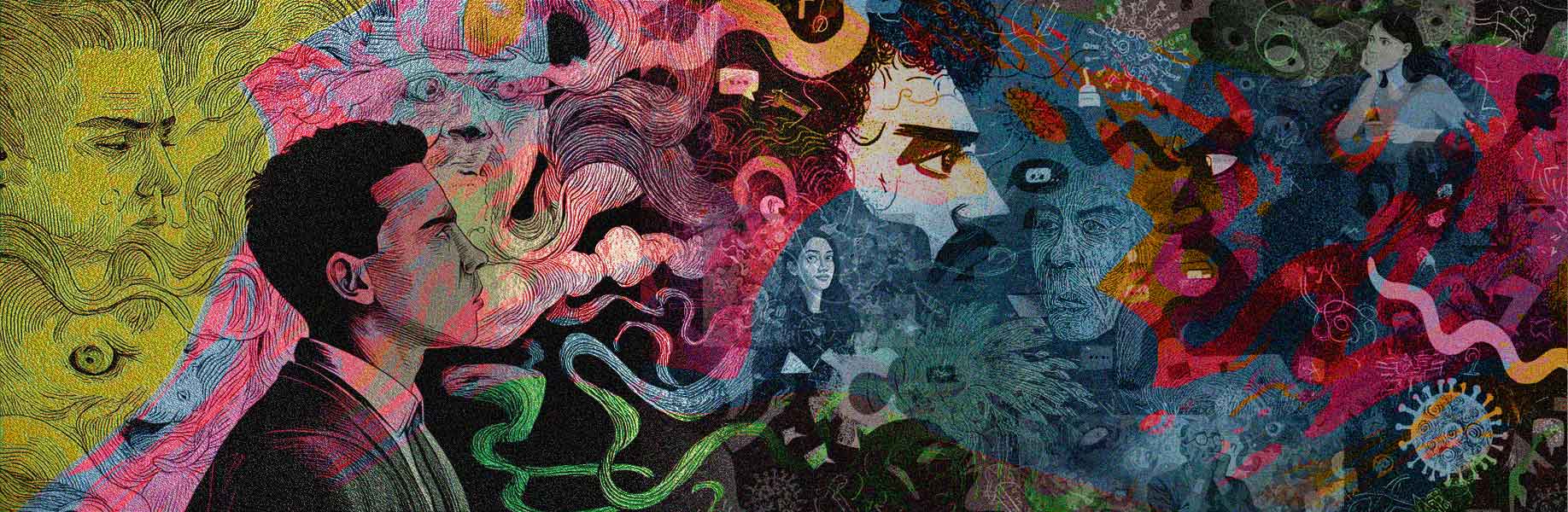
Not all viruses attack your body. Some are designed to hijack your mind, influence your emotions and your desires. In the age of AI and endless scrolling, memes—those simple viral images that spread through clicks with the speed of a sneeze—aren’t just a joke or a distraction. They’re the programming language of the collective unconscious. Memes put meaning into motion.
Memes now shape news headlines, elections, financial markets, and even our sense of self. Global conversations are instantly influenced by the simple and effective mimetic phenomenon of image + emotion. Thought forms are launched into the ethers by the mimetic mechanism. With each scroll and glance, we enter the trance. Images become impressed upon our psyche. Attention gives it energy. We download a code without even knowing it. But who’s really writing the code, framing our brain, and generating the narrative strands of our collective DNA?
Meme Logic: The Virus of Desire
Let’s start with something fundamental: human desire. What guides us to want what we want? French philosopher René Girard called it mimetic desire: we want what others want, not because of any inherent value, but because we’re wired to copy. This is the hidden current beneath consumer fads, political movements, and even the brands we brand ourselves with as a part of our identity. The unconscious program often drives the conscious action.
It was Richard Dawkins who first popularized the term “meme”—an idea, symbol, or behavior that spreads from person to person like a biological virus. But Girard went deeper: memes don’t just spread information; they ignite longing, rivalry, and sometimes, violence.
Today, technocrats and Silicon Valley power brokers have weaponized this principle. Peter Thiel, one of the architects of the modern digital surveillance economy, has openly credited Girard as his intellectual north star. Why? Because whoever controls mimetic contagion controls the marketplace, the narrative, and ultimately, the masses. Because he who shapes the conversation curates the culture and conditions the collective mind. Mental slavery is easy in a digital cage. We submit with each click. We proliferate the mind virus to our circle of contacts without a thought.
Memetic Magic: Symbols, Spells, and the Unconscious Programming
Memes may look innocent, funny, bizarre, or relatable. But beneath the surface, they’re digital sigils, crafted to bypass your rational filters and plug straight into your cognitive and emotional wiring.
The right meme can turn a rumor into a movement, a joke into a weapon, or an individual into a scapegoat. In the book Virus of the Mind by Richard Brodie it’s made clear: “The replicator that evolves the mind is called the meme.”
I saw this firsthand in my conflict studies. In From Violence to Blessing by Vern Redekop, we explored how symbols and shared stories set the stage for both healing and harm. Memes, in this sense, are rituals of modern magic, nudging collective behavior with a single click.
Scapegoats and Viral Violence
Girard’s contribution wasn’t just in diagnosing mimetic desire, but in showing how it leads to a crisis: when everyone wants the same thing, conflict erupts. The way societies resolve this is as old as myth: find a scapegoat to blame and sacrifice them to restore order. Clear the conscious, unconsciously.
Today’s digital world moves at the speed of data, but the human pattern remains. Social media movements, cancel culture, and even AI “misinformation” crackdowns all run on this ancient operating system: focus the group’s anxiety, anger, and violence on a target, perform a sacrifice, then move on as if balance has been restored. But the shadow grows as we forget our transgressions and never deal directly with the cognitive dissonance.
Girard’s warning was clear: “We are not as rational as we think. We are as programmable as we fear.”
Meme Wars: Technocrats, Media, and the Control Mechanism
Who benefits from this? The ones writing the code: platform architects, media managers, political operatives, and the tech elite who understand that the real battleground is attention and desire. They bypass our rational minds and infect us with the magic of a meme. Marketing has long perfected this technology will alluring ads to stir our deepest desires. We empty our wallets to consume brands that mark our relative position in the hierarchy of human. We justify ourselves with logic that is coded into the fibers of our being by masterful deceivers who install and pull levers we can’t even see.
Thiel, Musk, and the “PayPal Mafia” built empires not just on software, but on social contagion: how ideas catch, spread, and drive us to act, even against our best interests. Every trending hashtag, viral challenge, and outrage cycle is a button pushed by those who know the power of memetic engineering. They shape society with a simple mind virus. The meme is not innocuous. It infects us with mental illness one gif at a time.
The Mind Virus: Are We Infected?
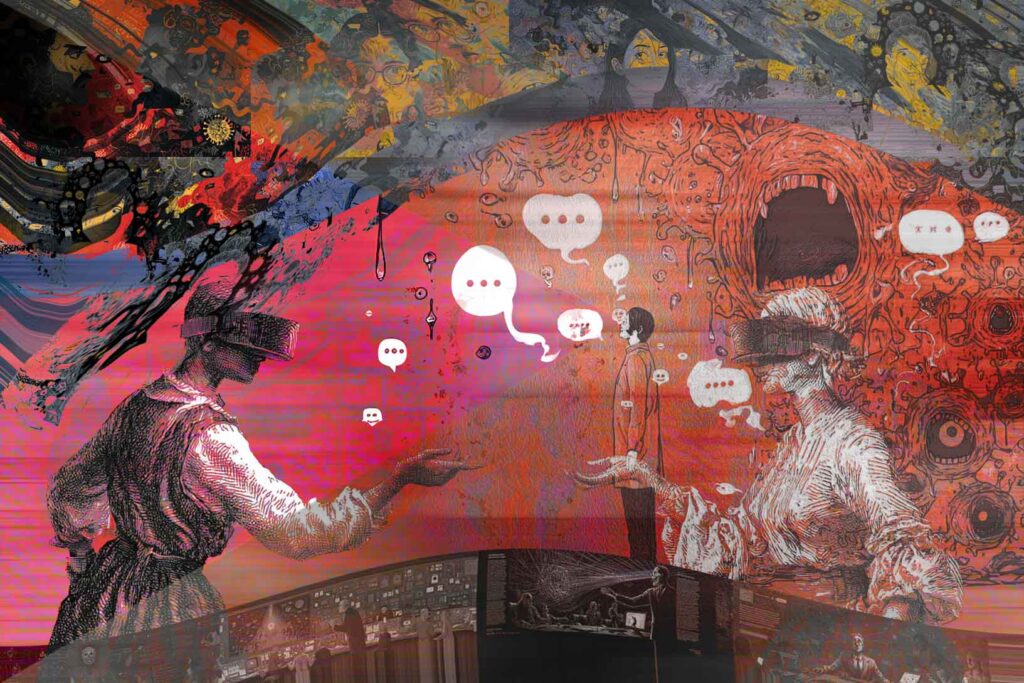
If all this sounds bleak, it doesn’t have to be. Memes are both the virus and the antidote. Awareness is step one. The moment you see the code, you can begin to write your own.
In my own journey through software and systems engineering, conflict studies, and spiritual work, I’ve realized that agency is won by pattern recognition. Who is benefiting from this meme? What emotion is it triggering? What thought form is being conjured? What agenda is being propagated? What action is being driven? Who or what gets scapegoated, and why?
Memetic sovereignty means refusing to be just “the training data.” It means becoming a conscious curator of the signals you amplify, the sigils you consume, and the stories you pass on. Images matter and become matter.
A Call to Conscious Creation
In a world of accelerating AI and memetic magic, the war for your mind is real and so is your power to reclaim it. Every meme you share and every symbol you view is a spell cast on the collective.
So next time you see a meme or feel a sudden longing, outrage, or urge to pile on… pause. Ask: Whose story is this? Who benefits? And what blessing could I send instead of a curse?
In the end, the power of the mimetic programming, the scapegoat mechanism, and viral violence can only persist if we stay asleep. Conscious creation is how we reclaim our future. Own your mind and your time.