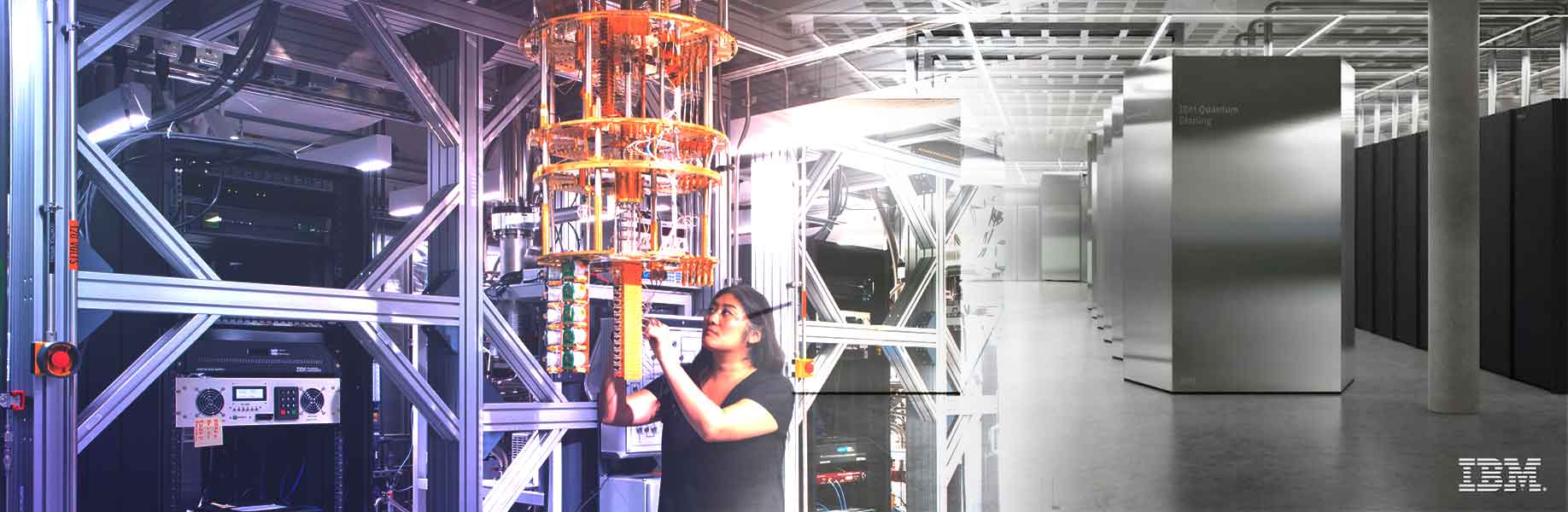

IBM has shared a plan to create a powerful quantum computer by 2029, called IBM Quantum Starling. This computer will be fault-tolerant, meaning it can fix errors to run complex tasks reliably. It will handle 100 million quantum gates, which are like instructions for quantum calculations, on 200 logical qubits. Qubits are the basic units of quantum information, and logical qubits are groups of physical qubits that work together to store data more safely. The system will be built in Poughkeepsie, New York, using a modular design, where parts can be swapped or connected easily.
A new research paper explains how this will work. It describes a system using bivariate bicycle codes, a method to protect quantum data from errors. A fast, compact decoder, small enough to fit on common hardware like FPGAs or ASICs, reads and corrects errors in real time. IBM’s updated roadmap shows steps to reach this goal, including new processors like IBM Quantum Loon in 2025, which will test advanced connections between qubits.
MIT Technology Review has covered this story (unpaywalled copy).
Overcoming quantum errors
Quantum computers today struggle with errors that limit their ability to run large tasks. Quantum error correction helps by spreading information across many physical qubits to protect it, similar to how regular computers use extra bits to check data. For example, a logical qubit might use many physical qubits to ensure data isn’t lost if one fails. The distance of a code, a number showing how many errors can be caught, is key to keeping data safe. IBM’s codes, like the gross code, use fewer qubits than older methods but still correct errors well.
IBM’s system is designed to be fault-tolerant, addressable, universal, adaptive, modular, and efficient. This means it can fix errors, target specific qubits, perform any quantum task, adjust based on real-time data, connect parts easily, and use resources well. By 2026, IBM expects to achieve quantum advantage, solving problems faster or cheaper than regular computers. New processors, like IBM Quantum Nighthawk, will support this by running more complex tasks with better qubit connections, paving the way for Starling’s success.