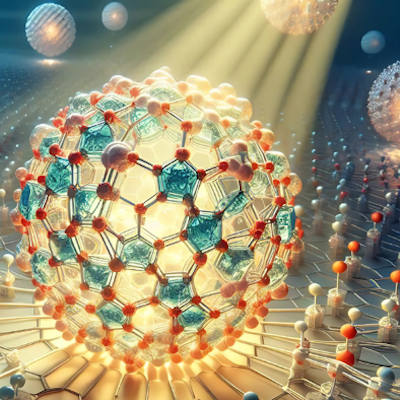

Scientists at the University of Liverpool have made an advance in engineering biology and clean energy. They have created a new kind of nanoreactor that uses light to make hydrogen, which is a clean energy source. This nanoreactor mixes natural processes with the precision of human-made materials.
The research, described in a paper published in ACS Catalysis, shows a new way to use sunlight for making fuel. Nature's photosynthetic systems are very good at using sunlight, but artificial systems have not been as good until now.
This hybrid nanoreactor uses recombinant α-carboxysome shells from bacteria. These shells protect sensitive enzymes called hydrogenases, which make hydrogen. Hydrogenases work well but can easily stop working if they touch oxygen. The shells keep them safe so they can keep making hydrogen.
The scientists made a special material that works like a solar panel, capturing light and turning it into energy that the enzymes use to produce hydrogen.
The potential of artificial photosynthesis
The nanoreactor copies how photosynthesis works in nature. It uses human-made materials that can absorb lots of light and natural enzymes that are great at making hydrogen, all powered by sunlight.
This hybrid nanoreactor "combines the broad light absorption and exciton generation efficiency of synthetic materials with the catalytic power of biological enzymes," says research co-leader Luning Liu in a press release issued by the University of Liverpool. "This synergy enables the production of hydrogen using light as the sole energy source.”
Other methods to make hydrogen with artificial photosynthesis rely on expensive metals like platinum. But this new method offers a cheaper way to make fuel with the same efficiency. Besides making hydrogen, it could help in other areas of biotechnology too.
These findings could lead to making more nanoreactors that mimic nature, helping us move towards a world where we produce no carbon emissions. The potential of artificial photosynthesis to revolutionize energy production and contribute to reducing carbon emissions is vast.