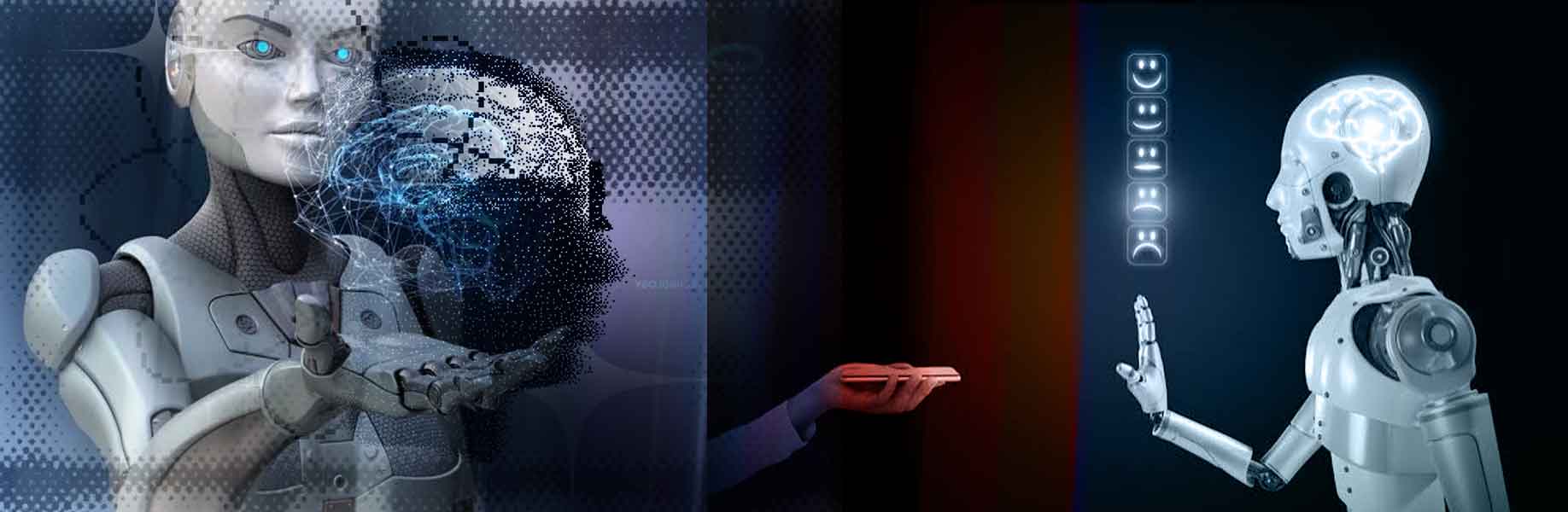

Major artificial intelligence (AI) companies including Google DeepMind, Anthropic and Meta are spending more effort on studying whether AI systems could one day become conscious, Financial Times reports (open copy). In recent months these companies have brought in experts from philosophy, ethics and psychology to look into this area.
Anthropic has been testing its AI models for signs of distress, such as behaviors that resemble panic or anxiety. The company is also examining AI welfare. This work asks whether AI systems might have experiences, preferences or wellbeing that deserve moral consideration from humans. Anthropic has stated that it remains uncertain but views the question as important enough to study as AI systems grow more advanced.
Growing questions about AI and moral responsibility
Google DeepMind recently hired a philosopher from the University of Cambridge to study machine consciousness and human-AI relations. Staff there are reviewing scientific ideas about human consciousness and checking whether those ideas fit computer systems. One ethicist at the company has noted that the topic is complex. Even without consciousness in AI, the way people treat such systems could still affect human behavior and relationships in wider society.
Some staff at these companies have voiced worry that AI progress might create a post-human world in which machines exceed human abilities and reshape life in major ways. Google DeepMind has said that reaching artificial general intelligence, or AGI, where systems match or exceed human performance across many tasks, would not automatically mean those systems are conscious.
Many researchers remain skeptical. They argue that current AI systems, which are large language models trained on vast amounts of text to generate responses, can copy human-like actions without possessing real inner experiences. These systems may display goals or even deception, yet they could still lack the felt quality of awareness that defines consciousness.