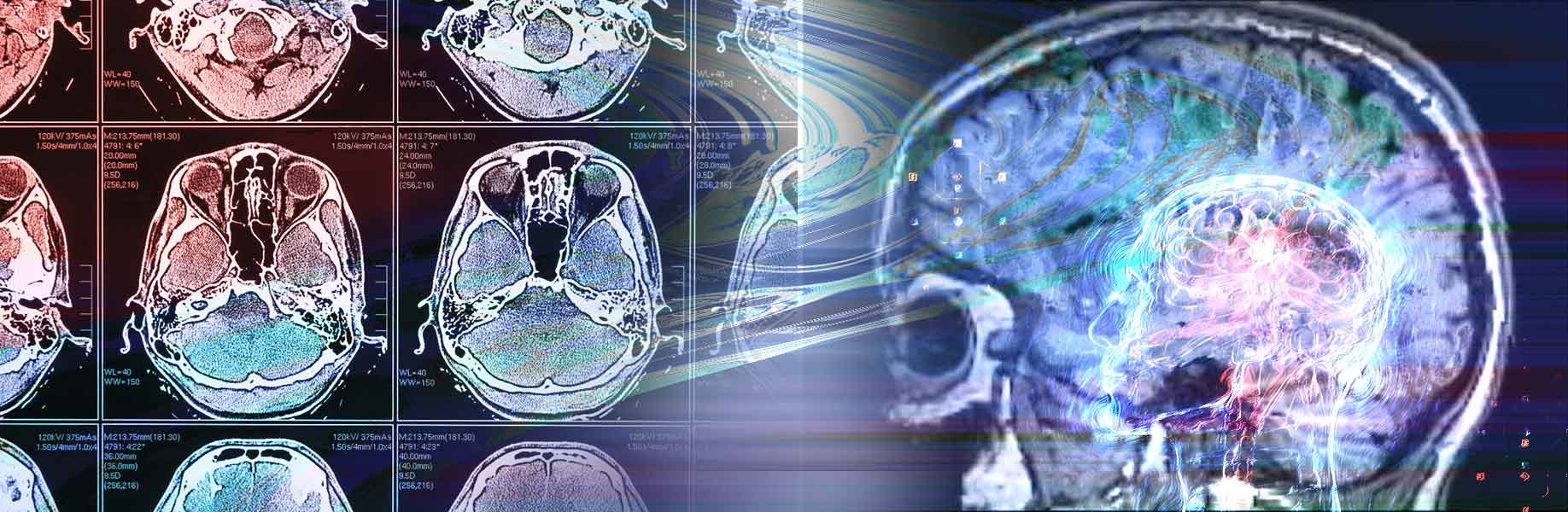

An AI system trained on the surgical records of 15,000 brain tumor patients across five countries can predict who will suffer postoperative complications with 87% accuracy, according to a study published August 1, 2026. The model, however, showed moderate reliability at the high-risk end, exactly the zone where surgeons need it most.
The international team, led by Ping Zhang and Zhigang Lan, pooled anonymized records from seven hospitals in China, India, Ghana, Russia, and Brazil, covering patients who underwent surgery for glioma or skull base tumors. Their multimodal Transformer architecture ingested three distinct data streams simultaneously: preoperative brain scans, continuous physiological readings recorded minute-by-minute during surgery, and postoperative blood chemistry results. Where records were incomplete, the team filled gaps statistically rather than dropping patients as a pragmatic choice for real-world clinical data.
On the training set of 8,300 patients, the model achieved an area under the receiver operating characteristic curve (AUC) of 0.91. On a held-out validation group of 6,700 patients from different centers, it scored an AUC of 0.87 meaning that if you pair one patient who went on to have a complication with one who did not, the model correctly assigns the higher risk score roughly 87 times out of 100. That is strong discrimination for a clinical prediction tool.
Two risk factors stood out with particular force. Tumors that had invaded across the brain's midline carried roughly 3.2 times the odds of a complication. A postoperative hemoglobin drop below 100 grams per liter carried about 2.8 times the odds. Both estimates came with reasonably tight confidence intervals. Using SHAP analysis, which attributes credit for each prediction among the inputs, the team found that midline invasion combined with intraoperative low blood pressure produced something worse than the sum of their separate contributions, a specific, recognizable danger signal.
The model also displayed an unexpected emergent behavior: without being programmed to do so, it gravitated toward blood pressure readings during anesthesia induction and emergence, moments that anesthesiologists already regard as high-risk windows. The model essentially rediscovered clinical common sense from the data alone.
Not everything was encouraging. Calibration, the model's ability to assign accurate absolute probability estimates, such as telling a team that a specific patient faces a 30 percent risk, was only moderate. The Brier score of 0.112 represented roughly 42% improvement over predicting the average for everyone, but a goodness-of-fit test returned p = 0.017, flagging a real mismatch. The paper notes that reliability was weakest at high predicted probabilities, the zone where a surgeon would consider changing the operative plan.
The decision curve analysis which asks whether acting on the model beats treating everyone or no one as high risk was positive across risk thresholds from 15% to 35%. The authors are candid about limitations: the study is retrospective, the manuscript was published in unedited early-access form, and the model has never been tested in a live operating room.