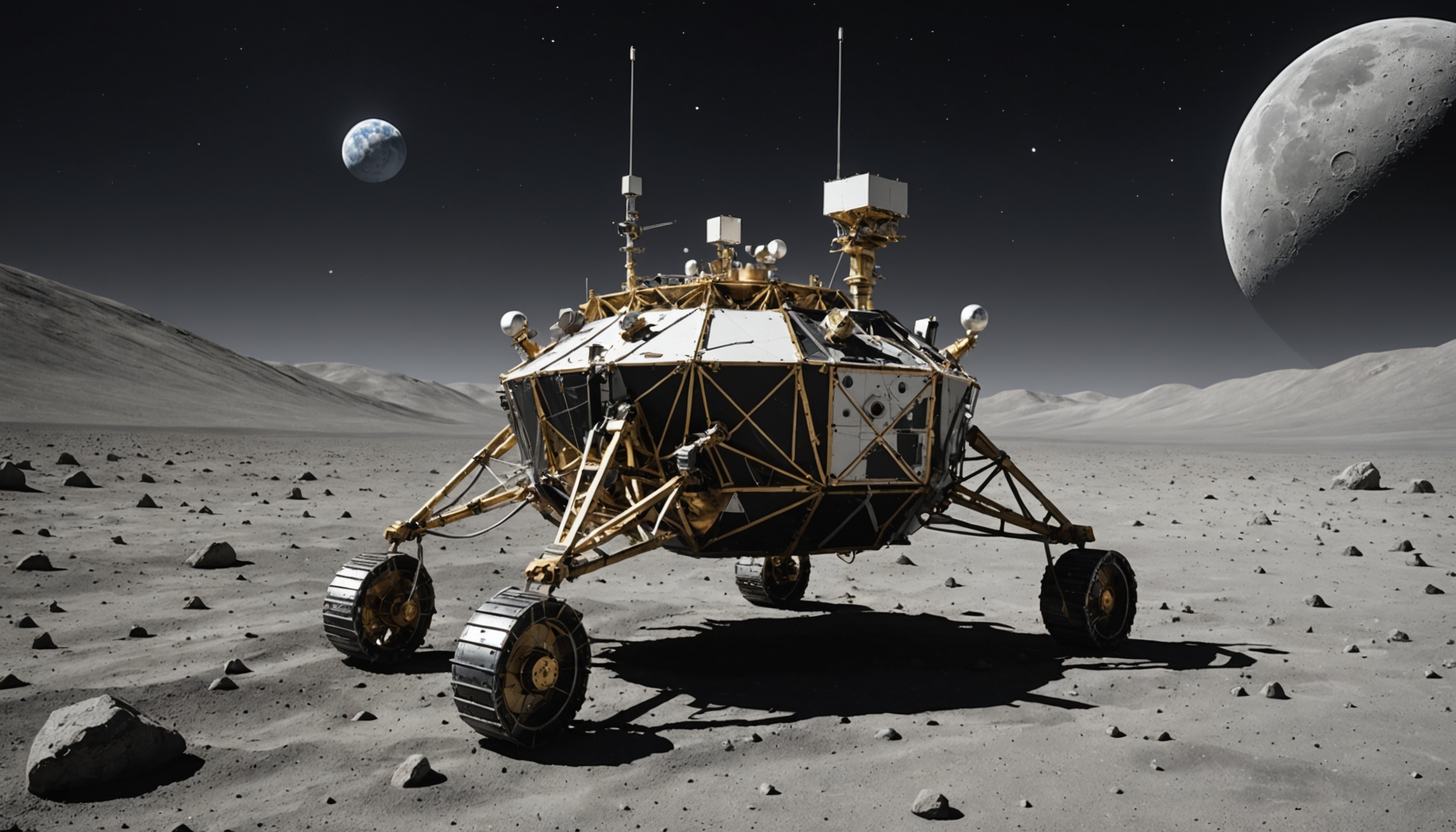


NASA is accelerating the development of new lunar landers to support missions scheduled for 2028. The space agency is collaborating with commercial partners to create landing systems capable of delivering cargo and technology demonstrations to the Moon's surface. This effort represents a key step in establishing sustainable lunar operations and preparing for future human exploration.
"NASA is energized, our core capabilities are being rebuilt, our machine shops are running 24/7, and our experts are in the field attacking the critical path," said NASA administrator Jared Isaacman. "We are building a Super Bowl-caliber team to safely achieve these objectives and everything that comes next."
Commercial partners advancing lunar capabilities
SpaceX is developing its Starship human landing system, which will require on-orbit refueling to reach the Moon, while Blue Origin is building the Blue Moon Mark 2 lander designed to launch inside its New Glenn rocket and dock with multiple boost stages in orbit before heading to the lunar surface.
The 2028 lander development program builds on lessons learned from earlier Artemis missions and ongoing technology testing. NASA's approach relies on partnerships with private companies to design, build, and operate lunar landing vehicles, reducing costs while increasing innovation. These uncrewed missions will test new systems and capabilities needed for later human flights, including precision landing technologies, surface payloads, and autonomous operations.
The landers will carry scientific instruments, technology experiments, and cargo to support the broader Artemis program goals. By deploying equipment ahead of astronaut arrivals, NASA aims to create infrastructure and gather data that will make human missions safer and more productive. This includes testing in-situ resource utilization, power systems, and communications networks that could support long-term lunar presence.
The news matters because it shows NASA moving from initial Artemis test flights toward a sustained lunar exploration program. Successful lander development in 2028 would demonstrate that commercial partnerships can reliably access the Moon, opening possibilities for science, international cooperation, and eventual human settlement. The timeline also reflects growing competition in lunar exploration, with multiple nations and companies pursuing Moon missions in the coming decade.