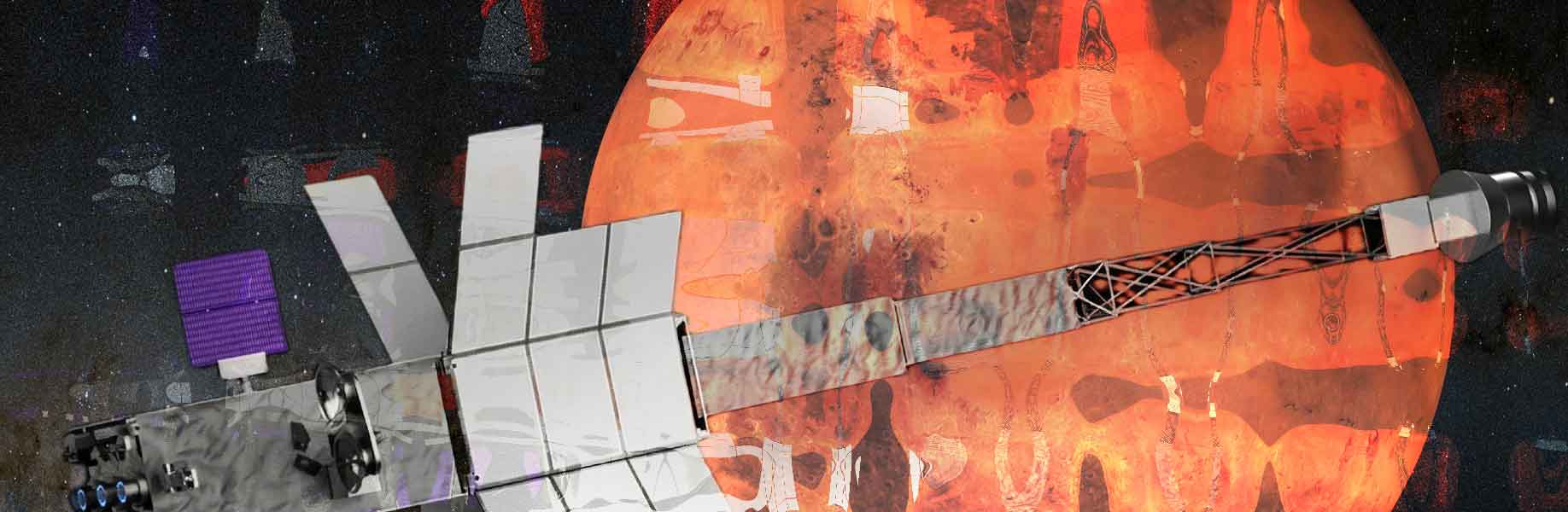

NASA has announced plans to launch the first nuclear reactor-powered interplanetary spacecraft, named Space Reactor-1 Freedom or SR-1, to Mars by the end of 2028. The announcement came from NASA Administrator Jared Isaacman ahead of the Artemis II mission. SR-1 will use nuclear electric propulsion to travel through space more efficiently than current chemical rockets. It will also carry small helicopters to explore Mars after arrival.
Traditional spacecraft use chemical propulsion, which mixes fuels like hydrogen and oxygen to create thrust through burning, MIT Technology Review explains (open copy). This provides strong initial push for launch but is less efficient for long journeys. Nuclear propulsion offers much higher energy density from a small amount of fuel. Nuclear electric propulsion generates electricity from a reactor and uses it to accelerate a gas into high-speed exhaust for gentle but continuous thrust. This method allows longer and faster travel with less fuel mass.
Nuclear fission is the process of splitting uranium atoms to release heat and neutrons in a controlled chain reaction. The heat produces electricity for the propulsion system. Past U.S. efforts included one short-lived reactor in orbit in 1965, but no nuclear-powered interplanetary flight has occurred.
Nuclear electric propulsion for deep space
For SR-1, NASA will attach a new compact uranium reactor, producing over 20 kilowatts of power, to the power-and-propulsion element originally designed for the canceled lunar Gateway station. The spacecraft design resembles a large arrow with cooling fins to release excess heat into space, preventing overheating. Hardware development begins soon, with assembly and testing targeted for 2028 and launch by December.
The reactor will activate only after the spacecraft reaches safe distance from Earth to avoid risks from nuclear materials. Experts note challenges such as surviving launch vibrations, operating in zero gravity, and managing heat in vacuum. If successful, SR-1 will reach Mars in about one year and deploy small helicopters for surface exploration.
The mission supports broader goals, including regular lunar missions and a south pole base. It also advances nuclear technology for future human travel to Mars by reducing trip time and radiation exposure for astronauts. Success would mark a major engineering achievement and open faster routes across the solar system.