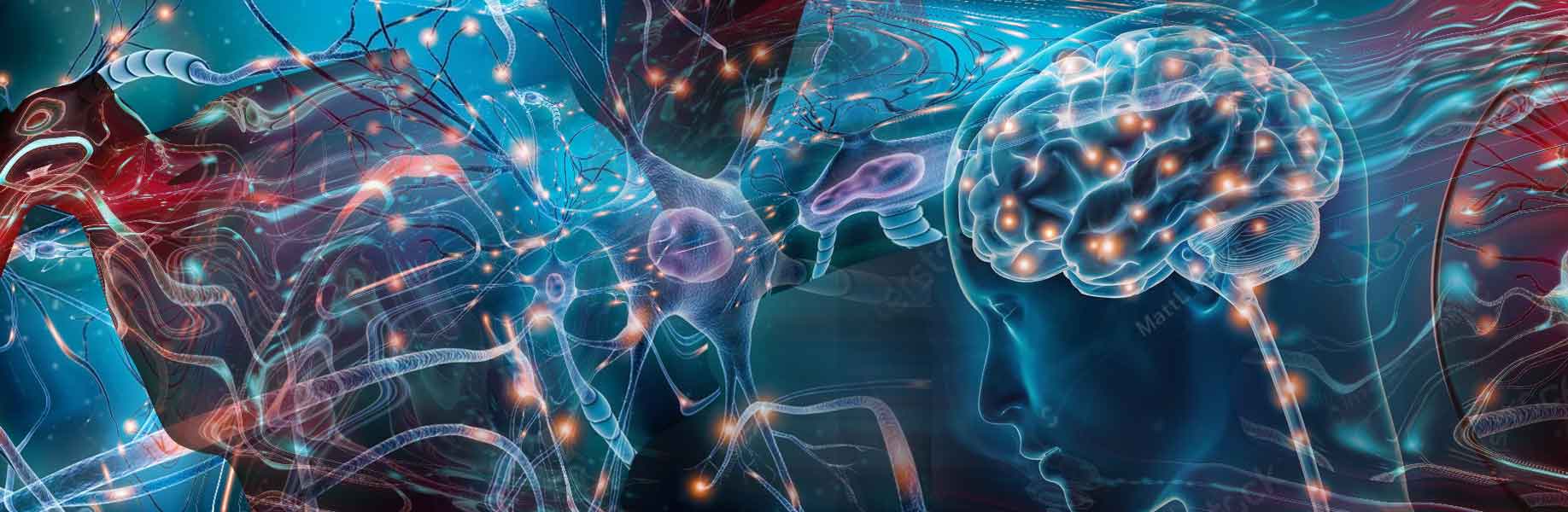

Scientists at the USC Viterbi School of Engineering and School of Advanced Computing have created artificial neurons that act like real brain cells. These new artificial neurons use chemicals to start computing, just as the brain does with electrical and chemical signals. This is different from regular computer chips, which use only electrons for calculations. The innovation is in neuromorphic computing, a type of technology that copies the brain's structure and function to make machines more efficient.
The key part is a diffusive memristor, a small device that changes its resistance based on the movement of ions. In the brain, ions like sodium or potassium help create electrical pulses for thinking and learning. Here, silver ions in a material mimic that process, allowing the artificial neuron to work with very little space - just the size of one transistor, a basic switch in electronics. Older designs needed many more transistors, making them bigger and hungrier for power.
The scientists have described the methods and results of this study in a paper published in Nature Electronics.
How the technology works
This setup copies how signals in the brain change from electrical to chemical at synapses and back again. By using ion movement instead of just electrons, the devices learn and process data more like a brain, using far less energy - about 20 watts like a human brain, compared to huge amounts for supercomputers. It also allows learning from just a few examples, unlike computers that need thousands.
The result could shrink computer chips dramatically and cut energy use, making AI sustainable. This could help achieve rtificial general intelligence (AGI). Silver works well for tests but may need other materials for real products. Next steps include building larger systems to test brain-like efficiency and perhaps learn more about the real brain. This advance complements today's silicon tech, opening doors to smarter, greener computing.