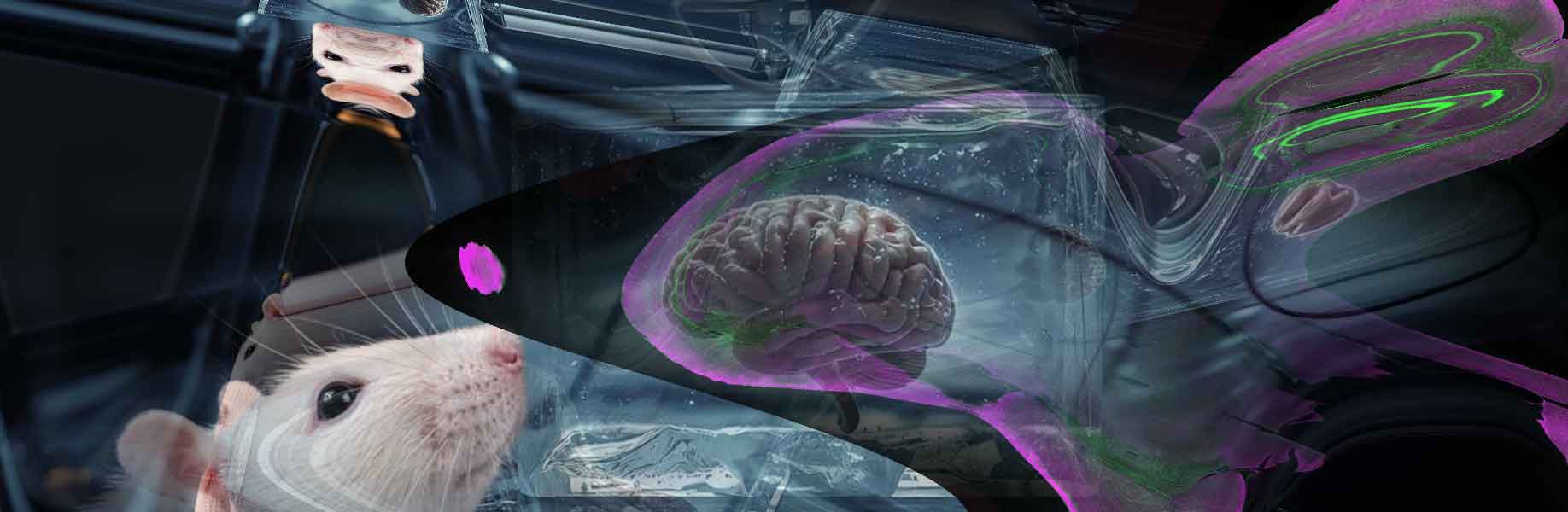

Scientists have discovered a way to freeze and then revive parts of a mouse brain so that they function normally again, SingularityHub reports. They focused their study on the hippocampus, which is the specific part of the brain responsible for forming and storing memories. Normally, freezing living tissue is a destructive process because the water inside the cells turns into sharp ice crystals. These crystals act like tiny knives that shred the neurons. To prevent this physical damage, the scientists used a technique called vitrification. Vitrification is a process where a substance is cooled so quickly that it turns into a solid, glass-like state without any ice crystals forming at all.
Overcoming the challenges of preserving complex neural networks
After being kept in a deep freeze for about a week, the brain slices were carefully thawed and warmed. The scientists used an improved recovery method to protect the tissue from the potentially harmful effects of the chemicals used during the freezing process. Once the slices reached a normal temperature, the neurons began to show electrical activity once again. The cells also restarted their metabolism. Most importantly, the connections between the brain cells, called synapses, were able to change and strengthen just as they do when a living brain is forming a new memory.
This study pushes the boundaries of cryonics, which is the practice of preserving living things at extremely low temperatures for long periods. While it is common to freeze single cells in a lab, preserving the complex structure of a whole organ is much more difficult. The brain is particularly sensitive because even small changes in pressure or chemical balance can destroy the delicate wiring required for thought and memory. Although this does not mean that entire organisms can be revived yet, it proves that brain tissue can survive extreme cold if it is handled correctly. This research makes the idea of suspended animation, or the ability to temporarily pause life, seem more scientifically possible for the future of medicine.
This research is published in PNAS.
See also: "So has a fruit fly been uploaded? Or not yet?"