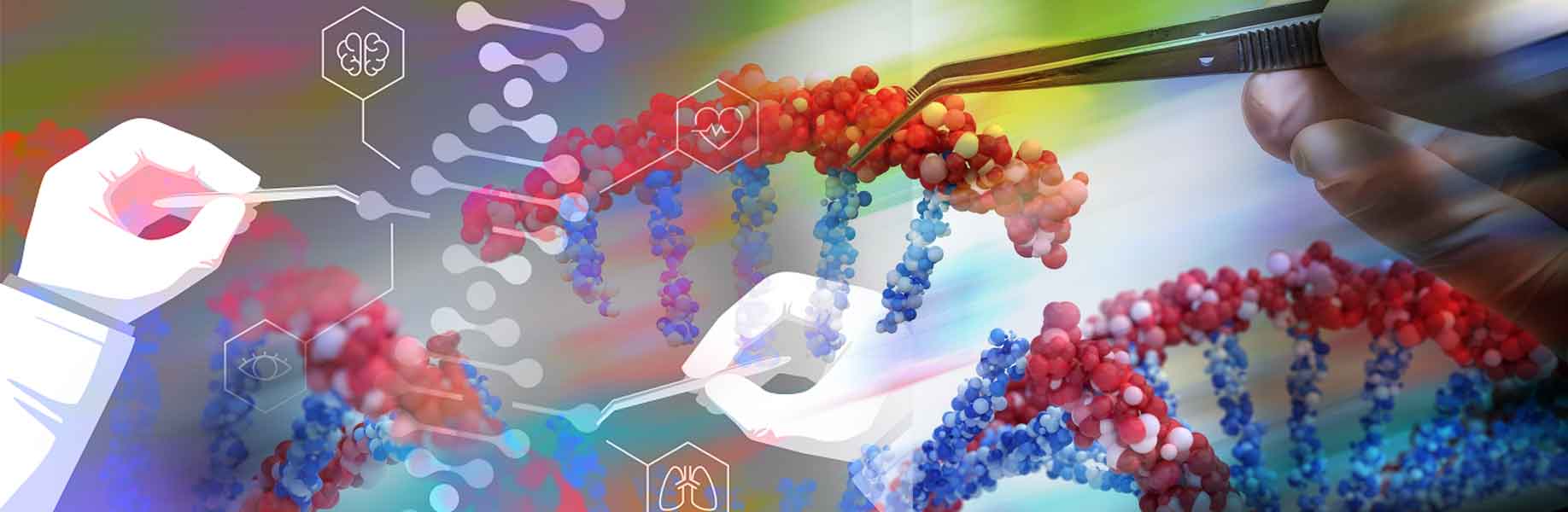

Scientists made a big discovery a few years ago with CRISPR. CRISPR is a tool that cuts DNA, the molecule carrying genetic instructions. It comes from bacteria’s immune system. CRISPR lets scientists change specific genes in plants, animals, and humans. This helps researchers find treatments for diseases people inherit or get over time.
Researchers at INRS recently created a new tool. It uses enzymes called Ssn. Enzymes are proteins that speed up reactions. Ssn enzymes cut only single-stranded DNA, not the usual double-stranded kind. It could change many areas of biotechnology. The researchers describe the methods and results of this study in a paper published in Nature Communications.
A key role for single-stranded DNA
Single-stranded DNA is rare compared to double-stranded DNA. It shows up in some viruses and helps with processes like cell repair or copying. Scientists also use it in sequencing, which reads DNA’s code, and gene editing, which changes DNA. Until now, no enzyme could cut only single-stranded DNA. This limited progress in related technologies.
The researchers found Ssn enzymes in a bacterium called Neisseria meningitidis. They studied one enzyme that spots a specific DNA sequence and cuts it. The sequence appears often in the bacterium’s genome. This cutting helps the bacterium swap and change its genetic material, affecting how it evolves.
The researchers also found thousands of similar enzymes. Each one cuts a unique single-stranded DNA sequence.
This discovery matters for health research. It helps scientists understand bacteria better, which could improve infection control. The Ssn enzymes also offer new ways to edit genes more precisely. They could improve tools for detecting DNA or diagnosing diseases. These enzymes might even help spot pathogens, harmful microbes, or modify DNA for medical treatments. A patent is pending for this work. It could lead to big advances in biology and medicine by making genetic tools more accurate and useful.