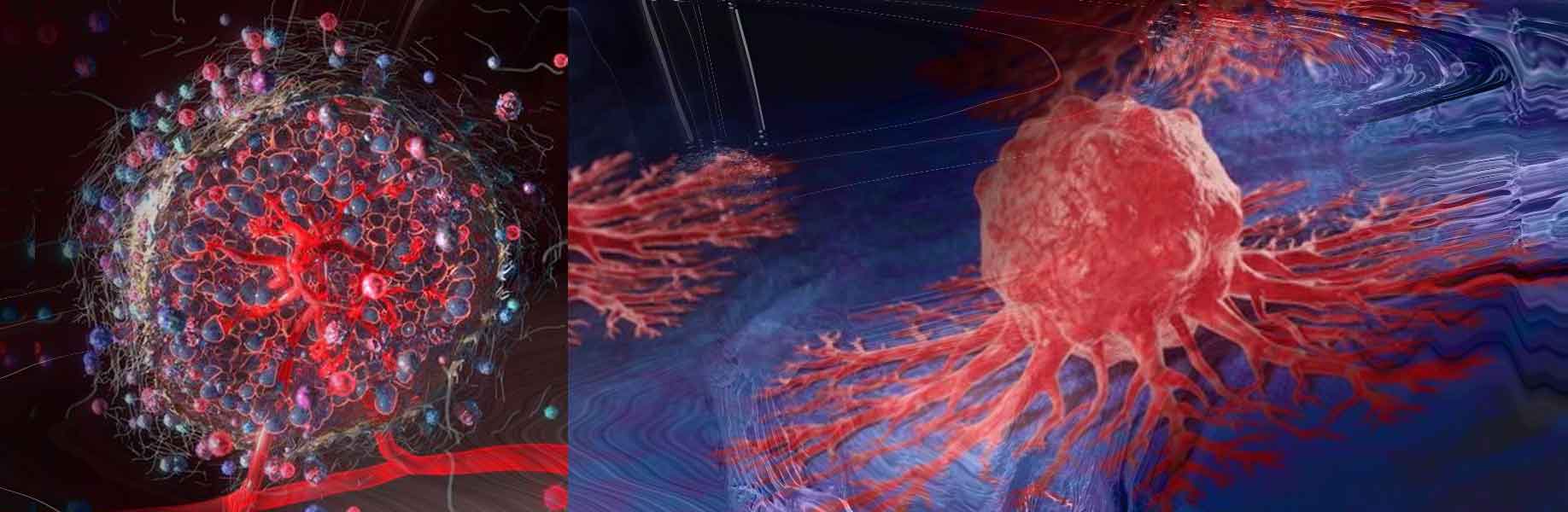

A new scientific paper introduces the oncodarwinian hypothesis (ODH). The ODH suggests a major change in how people think about cancer. Rather than viewing cancer only as a harmful disease, the hypothesis describes it as a potential macro-immunoadaptive response. This means a large-scale immune-like process that helps the body adapt over long periods of evolutionary time. The idea treats cancer as a self-replicating algorithm, a set of instructions that copies itself and could be altered using artificial intelligence (AI) and specially designed p53 superproteins. The p53 protein normally repairs damaged DNA or triggers apoptosis, the natural process in which damaged cells destroy themselves. In many cancers this protein does not work properly.
Two main suggestions appear in the paper. The first is a wireless three-dimensional printed p53 molecular biochip, a molecular machine that could communicate with an artificial intelligence (AI) program to guide tumor control. The second concerns the dual-focus immunological nature of cancer cells, which operate at both the small scale inside tumors and the large evolutionary scale across the body.
Designing improved p53 proteins with AI
The ODH sees uncontrolled cell division as a possible evolutionary attempt at healing that scientists should try to understand rather than simply stop.
The paper outlines a possible method for creating the superproteins. It uses AI tools such as alphafold 3, which predicts the three-dimensional shapes of proteins, along with open-source software programs. Delivery could occur through weakened salmonella bacteria, a common type of gut microbe modified so it does not cause illness, carrying the new p53 material into tumors. The approach draws on synthetic biology, the field of designing new biological systems, and earlier work on genetic computing devices.
The paper stresses that the ideas remain theoretical and need experimental testing. No laboratory data are included yet, and clinical use is still far off. The author notes risks such as confirmation bias, the tendency to favor information that supports existing beliefs. Future steps could include testing the biochip idea and running statistical checks to measure effects on tumors. The hypothesis calls for rethinking cancer as a process whose underlying instructions might one day be rewritten through these advanced tools.