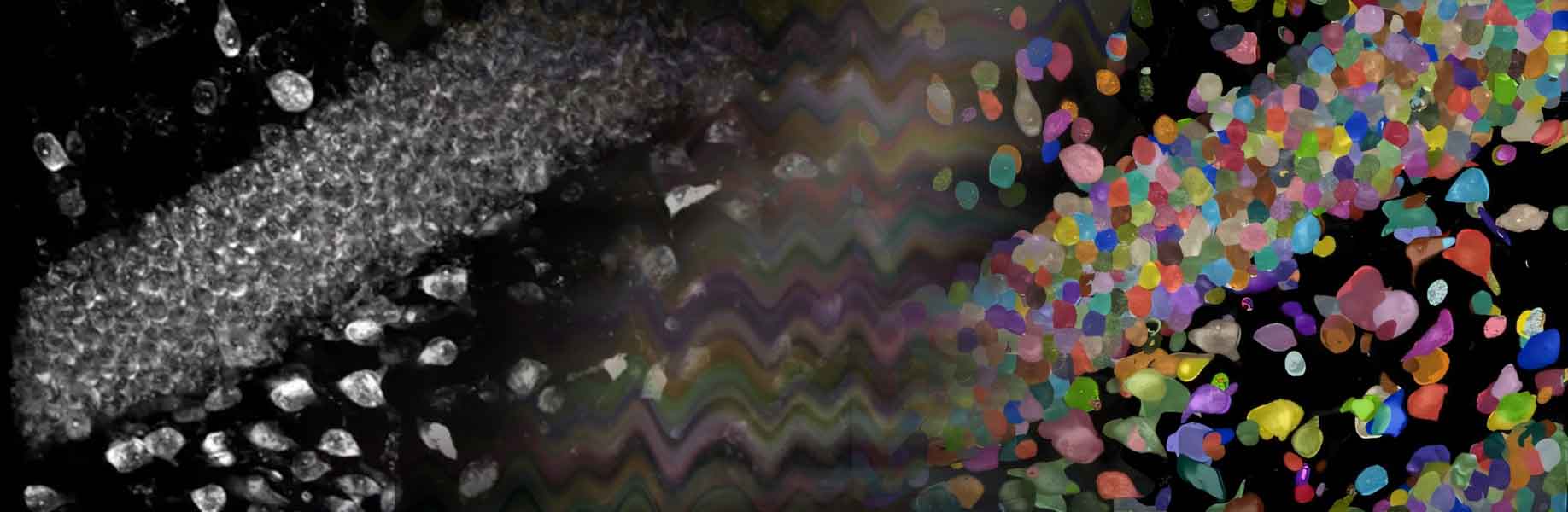

Scientists have created a new way to study how cells work by developing a tool that acts like a tape recorder inside living cells. This tool, called CytoTape, helps reveal the mysteries of biological organisms by tracking molecular interactions inside cells. Understanding these interactions is key to figuring out how cells function in large groups. CytoTape is a flexible, thread-like protein fiber made inside cells, designed with the help of artificial intelligence (AI). Unlike current methods, this tool allows viewing of cell activities on a large scale and over long periods, such as weeks.
Traditional imaging techniques have limits. For example, functional magnetic resonance imaging, or fMRI, scans large areas like the brain but lacks detail at the single-cell level. Light microscopy offers high resolution, meaning clear views of tiny details, but is hindered by how tissues scatter light, making deep or long-term observations hard. CytoTape solves this by embedding timestamp signals along its length while the cell is alive, similar to tree rings that show a tree's growth history. These signals can be read later under a regular microscope.
How CytoTape works in practice
To introduce CytoTape, researchers use gene delivery methods to add DNA sequences into cells. The cells then produce the protein parts, which self-assemble into a growing fiber without harming normal cell functions or, in tests, mouse brain activity. The fiber records color-coded molecular tags, small protein markers less than 15 amino acids long - amino acids are the basic units of proteins. These tags act as signatures of cell events, controlled by activity-dependent promoters, which are genetic switches that turn on when specific cell actions occur. In experiments, CytoTape tracked activities in up to 14,123 neurons, or brain cells, in a living mouse brain, as well as in other cell types like glia, which support neurons, and human-derived cells.
This breakthrough uncovered new patterns in regulatory pathways, which are series of steps cells use to adapt and change, known as cell plasticity. By comparing healthy and diseased cells over time, it could highlight what goes wrong in conditions like brain disorders, leading to better treatments.
This research is published in Nature.