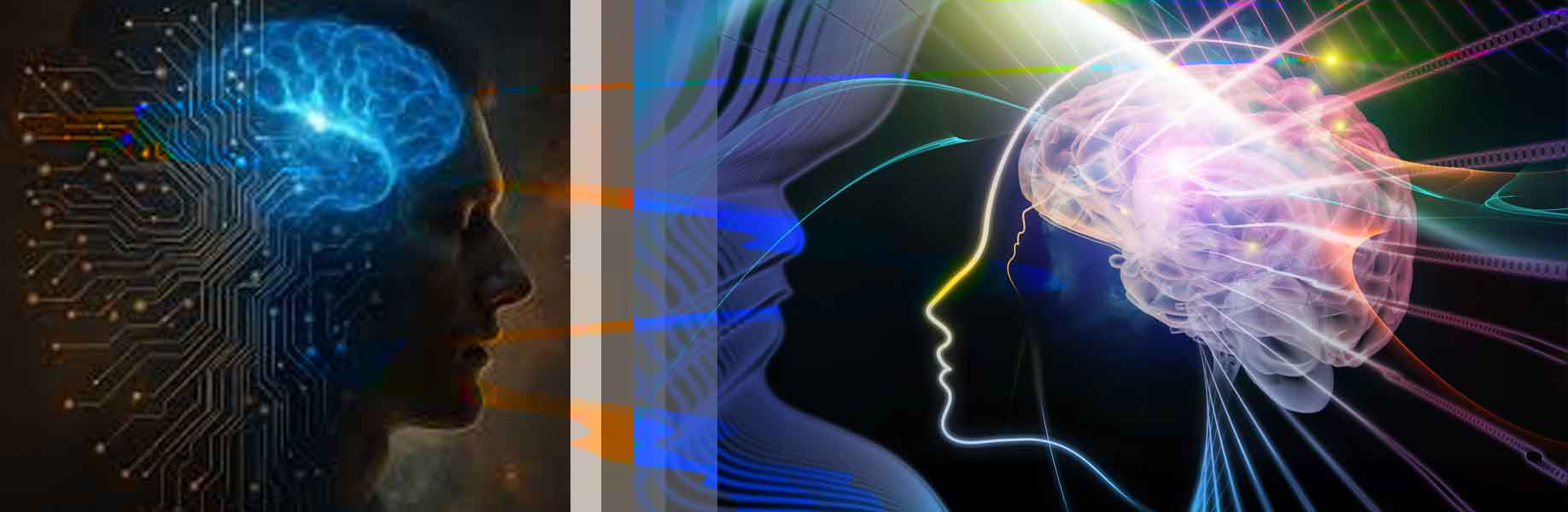
Consciousness is a tough challenge in science, as it is unclear how the brain's physical matter creates thoughts, feelings, and sensations. A new tool called transcranial focused ultrasound could help researchers learn more about this. This method sends sound waves through the skull to stimulate specific brain areas without surgery, reaching deeper and more precisely than older techniques like transcranial magnetic stimulation, which uses magnets to affect the brain, or electrical stimulation, which applies current. MIT researchers have proposed a roadmap for using this tool to study consciousness. The study is published in Neuroscience and Biobehavioral Reviews.
The tool allows safe experiments on healthy people by targeting small brain spots, just a few millimeters wide. This helps pinpoint cause-and-effect in brain activity, unlike methods such as MRI or EEG. By modulating brain activity with ultrasound waves, scientists can see what parts generate experiences like vision or pain. For example, current studies measure brain responses to visual stimuli, but cannot always tell if the activity causes consciousness or results from it.
A roadmap for testing theories of consciousness
The plan aims to compare two main ideas about consciousness. The cognitivist view says it involves high-level processes like reasoning, which connect information across the brain using the frontal cortex, the front area for thinking. The non-cognitivist view argues consciousness comes from local neural patterns in the back cortex or subcortical structures, deeper brain parts, without needing complex thinking. Experiments could answer questions like the role of the prefrontal cortex, a planning area, in perception; whether consciousness needs whole-brain networks; and how distant brain regions form unified experiences.
By stimulating areas during tasks like viewing images, researchers may identify essential spots for conscious thought. This applies to pain too, where the sensation might arise in cortical areas, the brain's outer layer, or deeper structures. The researchers plan tests starting with the visual cortex, the sight-processing area, then moving to frontal regions. While recording methods like EEG show responsive neurons, nerve cells, these experiments seek a full causal picture of perception.