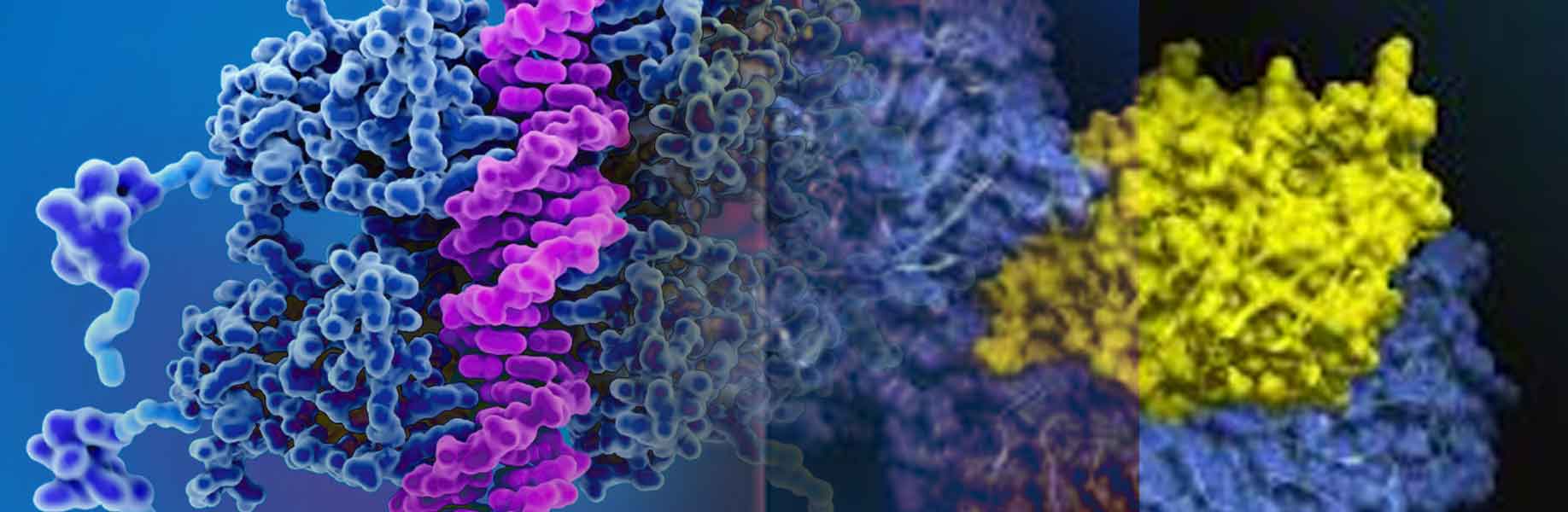

Proteins are molecules that perform many tasks in living things, and their physical interactions affect processes like cell communication, growth, and immune defenses. Controlling these interactions is important for biologists. Scientists have used neural networks to create new proteins called binders. These binders attach to specific targets that could help in treatments, similar to how antibodies (proteins made by the immune system) stick to harmful germs. The scientists have used the open-source platform BindCraft, developed at EPFL.
Traditional ways to find binders involve testing thousands of protein options, which requires special lab equipment and computer skills not every research group has. BindCraft changes this by making the process easier and cheaper, needing tests on just a few proteins to find a good binder.
The tool starts with desired features, like binding to a certain target, and uses AlphaFold2 - a neural network from Google DeepMind that predicts protein shapes from their building blocks, called amino acids - to create new binder sequences. This reverses the usual method: instead of starting with sequences and checking shapes later, it begins with structures to make binders that fit right away.
The scientists have described the methods and results of this study in a paper published in Nature.
Reverse-engineering for efficiency
By focusing on a small set of high-quality designs rather than screening huge groups, BindCraft saves time and resources. It has been tested on targets like adeno-associated viruses (AAVs), which are tiny viruses used to carry healing genes into cells; CRISPR-Cas9, a tool for editing genes by cutting DNA; and common allergens, substances that trigger allergic reactions. Experiments showed binders worked about 46% of the time on average, allowing better control in therapies, such as directing gene delivery to exact cells or stopping unwanted gene edits.
Since its early release, BindCraft has been quickly adopted by biologists and even industry users, leading to requests for improvements. Developers are now adapting it for smaller molecules like peptides - short chains of amino acids with medical uses - to expand its applications.