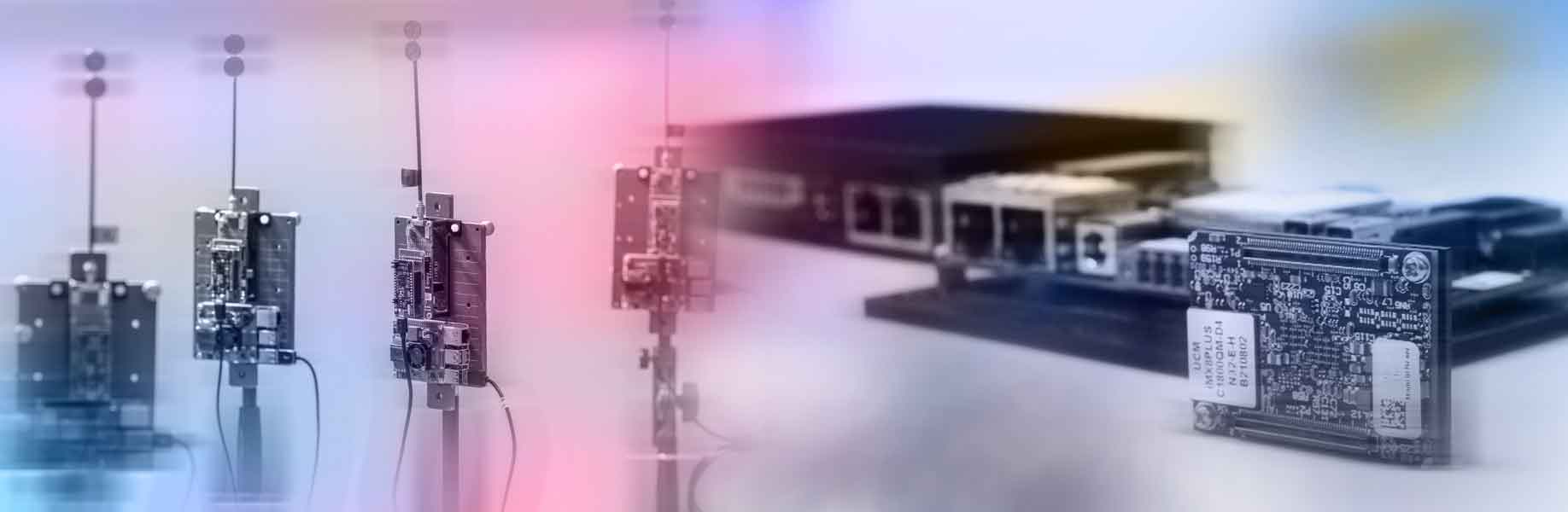

The E-MINDS project brings together researchers from the COMET K1 centre Pro2Future, Graz University of Technology, and the University of St. Gallen to make artificial intelligence (AI) work on small devices.
These devices, part of the Internet of Things (IoT), are tiny sensors with limited computing power, memory, and battery life. IoT means a network of devices that connect and share data. The goal is to run AI locally on these small tools without needing outside help, like big computers. For example, they made AI work on a device with only 4 kilobytes of memory to track locations and spot interference.
Applying a few tricks
The researchers found ways to shrink AI models so they fit on tiny devices. These models are special programs designed for specific tasks, like measuring distances. The researchers used clever methods to make this work. One method splits the AI into smaller, specialized models. For instance, one model handles interference from metal walls, another from people, and a third from shelves. A smart system on the device picks the right model in about 100 milliseconds, fast enough for places like warehouses. This speed is key for tasks needing quick responses.
Another approach uses subspace configurable networks (SCNs), which are flexible models that adjust to different data, like images. They tested SCNs for recognizing objects or classifying fruit, making calculations up to 7.8 times faster than using external resources. Techniques like quantisation and pruning also help. Quantisation simplifies numbers in the model, using integers to save energy. Pruning cuts out unimportant parts of the model, keeping it useful while making it smaller. The researchers balanced these changes to keep the AI accurate enough for its tasks.
The project focused on ultra-wideband (UWB) localisation to track drones or robots in factories, even with obstacles. UWB is a technology that measures exact positions using radio waves. But the methods could also improve car security, extend smart home battery life, or help libraries track books. The work lays a foundation for future products by making AI efficient on small devices.