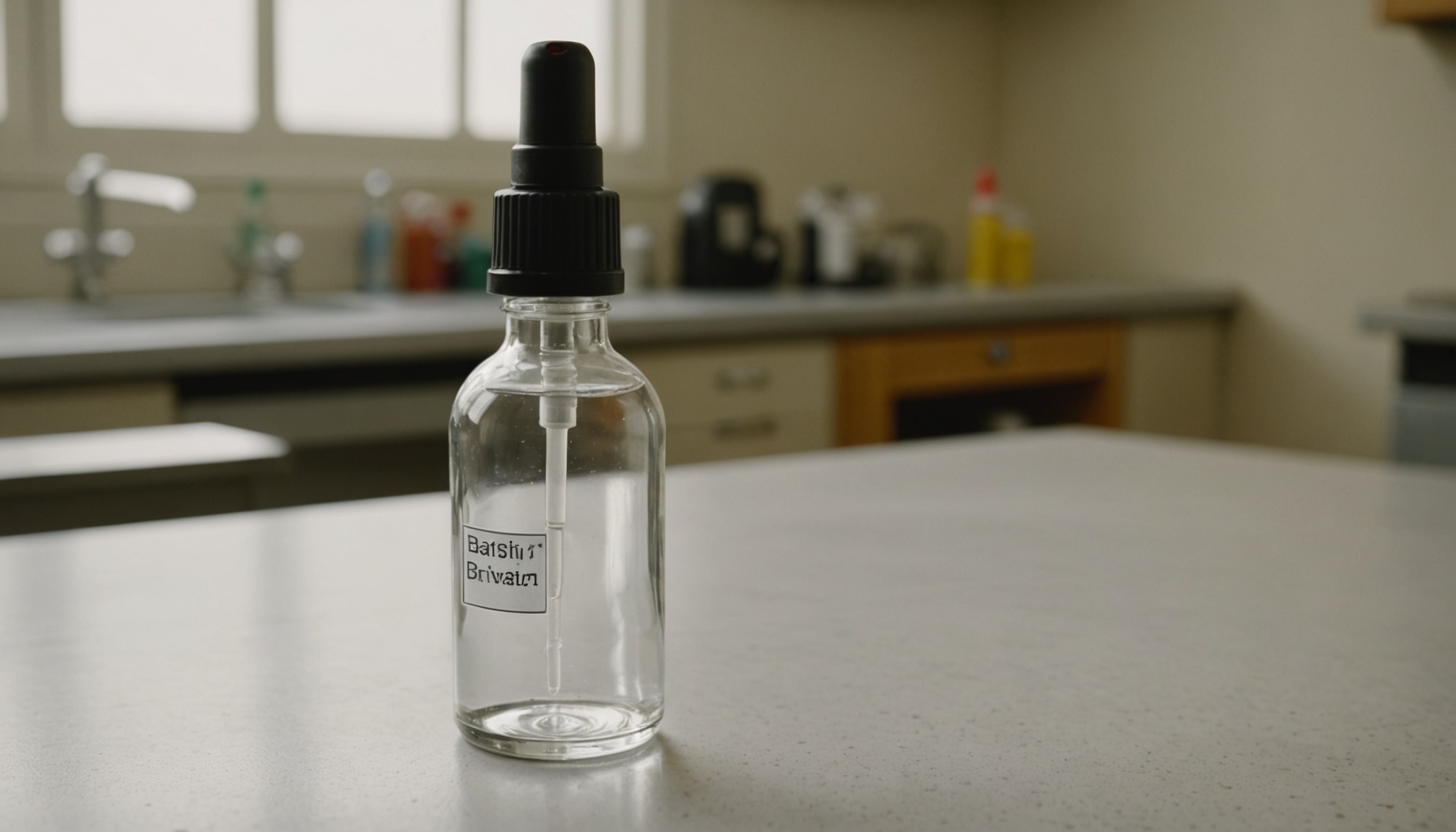


Researchers at the University of Sydney have developed experimental nose drops that improved learning and memory in aged mice and prevented severe memory decline in mice genetically engineered to develop an Alzheimer's-like disease. The study is published in Advanced Science.
The treatment uses messenger RNA, or mRNA, a molecule that carries instructions telling cells how to build a specific protein. The mRNA is packaged in tiny fat particles called lipid nanoparticles. Instead of triggering an immune response, the mRNA instructs cells in the nose to make brain-derived neurotrophic factor (BDNF), a natural protein that helps neurons survive, form connections, and adapt as the brain learns. BDNF levels decline with age and in Alzheimer's disease.
How the treatment performed in mice
In standard tests of working memory, spatial memory, and object recognition, treated older mice performed about as well as young mice, while untreated older mice showed the expected age-related decline. In 5XFAD mice, a widely used laboratory model that develops Alzheimer's-like brain changes early in life, twice-weekly treatment starting at two months of age prevented the severe memory loss normally seen by four months. The team also detected increased neurogenesis in the hippocampus. No major side effects were reported during the study.
Notably, the treatment preserved brain function without reducing amyloid plaques, the abnormal protein clumps that most current Alzheimer's drugs try to clear. The researchers say this points to a different strategy - supporting the health and connectivity of neurons despite the plaques - and that the two approaches could one day be used together. Delivering medicine through the nose may also offer a way past the blood-brain barrier, the protective filter that blocks many drugs from entering the brain.
This matters because it is a proof of concept for non-invasive delivery of mRNA therapies to the nervous system, which could eventually apply to neurodegenerative diseases, stroke, traumatic brain injury, and some genetic conditions. The researchers caution, however, that the results are early and come only from mice. Human noses differ from mouse noses, so further animal safety studies must come first; the team hopes to begin human trials within about two years.