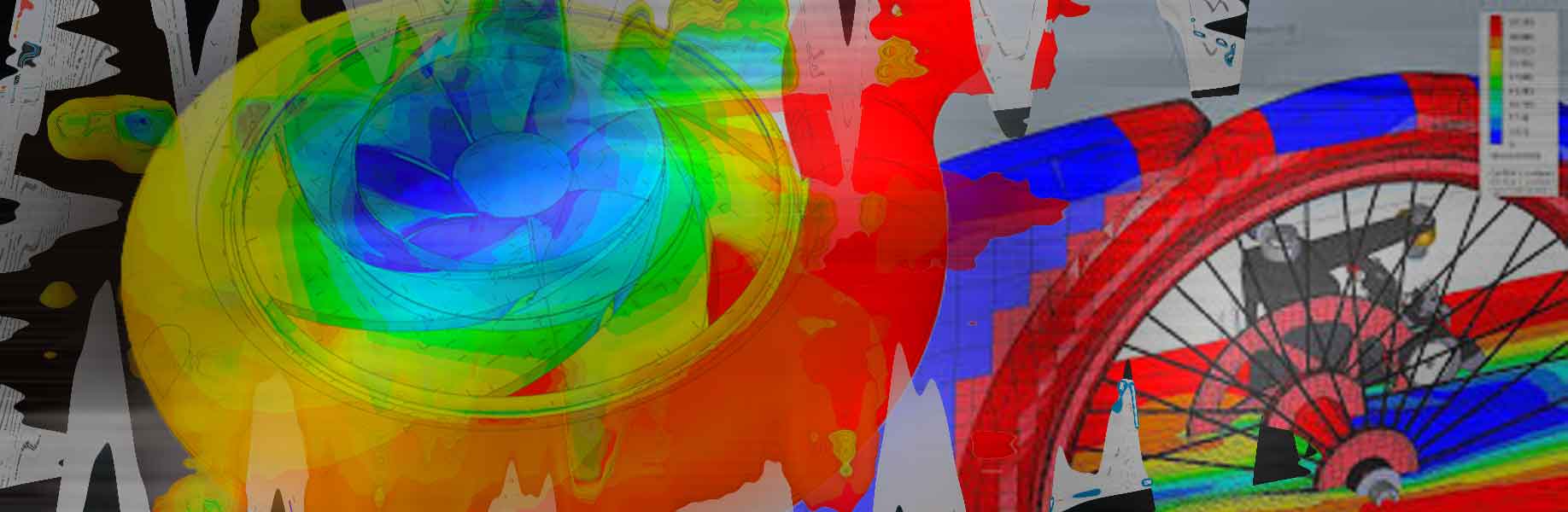
Computer simulations are not about fancy graphics or movie effects, but about getting results as close as possible to real outcomes. In engineering and science, looks matter less than truth. For tasks like designing parachutes for space travelers or modeling blood movement through heart parts, small errors can have big risks.
Engineers at Rice University and Waseda University are building and improving space-time computational flow analysis to handle hard problems in fluid dynamics, which is the study of how fluids like liquids and gases flow. A new book titled "Space-Time Computational Flow Analysis: A Chronological Catalog of Unconventional Methods and First-of-Its-Kind Solutions", lists the key advances. The larger impact is how this changes fields from health care to air travel.
What sets their work apart is the wide range of issues they solve and the high level of detail they reach. The engineers handle problems others see as too tough, making models that closely match true events.
Reshaping industries with high-fidelity simulations
The challenges they address cover many areas. Their models aided NASA in creating landing parachutes for the Orion spacecraft, helping ensure safe returns for crew. In medicine, the method simulates blood flow through heart valves with great detail, giving doctors better data for custom surgeries on aorta and valve issues. For transport, it helps tire makers boost performance and cooling to avoid harm. In green energy, simulations show how wind turbine wakes, which are swirling air trails, affect nearby planes, drones, or animals, guiding safer turbine setups.
Normal simulations treat space and time differently, with advanced ways mostly for space. This approach joins them equally. Flow patterns in life change by place and moment, so both need strong handling for best results. This lets engineers add many calculation points where needed, like tire-road touch or valve closing, without gaps or lost detail.
Research leader Tayfun Tezduyar, notes their projects often start from real needs, like from NASA or army experts, seeking answers beyond old tools. From a 1990s idea to many solutions, Tezduyar leads in this area. For years, few used these ways, but interest grows, making the book timely. They seek hard problems and top accuracy, as real life demands it.