
Doctors have long tried to choose cancer therapies by looking at changes in single genes, but success has been limited. Patient results depend on millions or even billions of molecular details, including DNA and RNA from tumors and blood.
Standard artificial intelligence (AI) and machine learning methods used in cancer research usually require data from very large numbers of patients to make reliable predictions. Because most clinical studies include only 20 to 100 patients, these conventional approaches are often not suitable for this type of research.
Researchers created a different method based on ideas from quantum mechanics. The approach uses mathematical tools called multitensor comparative spectral decompositions. These tools rest on the quantum concepts of entanglement, where parts of a system remain connected even when separated, and superposition, where a system can exist in multiple states at the same time until measured.
How the new method analyzes data
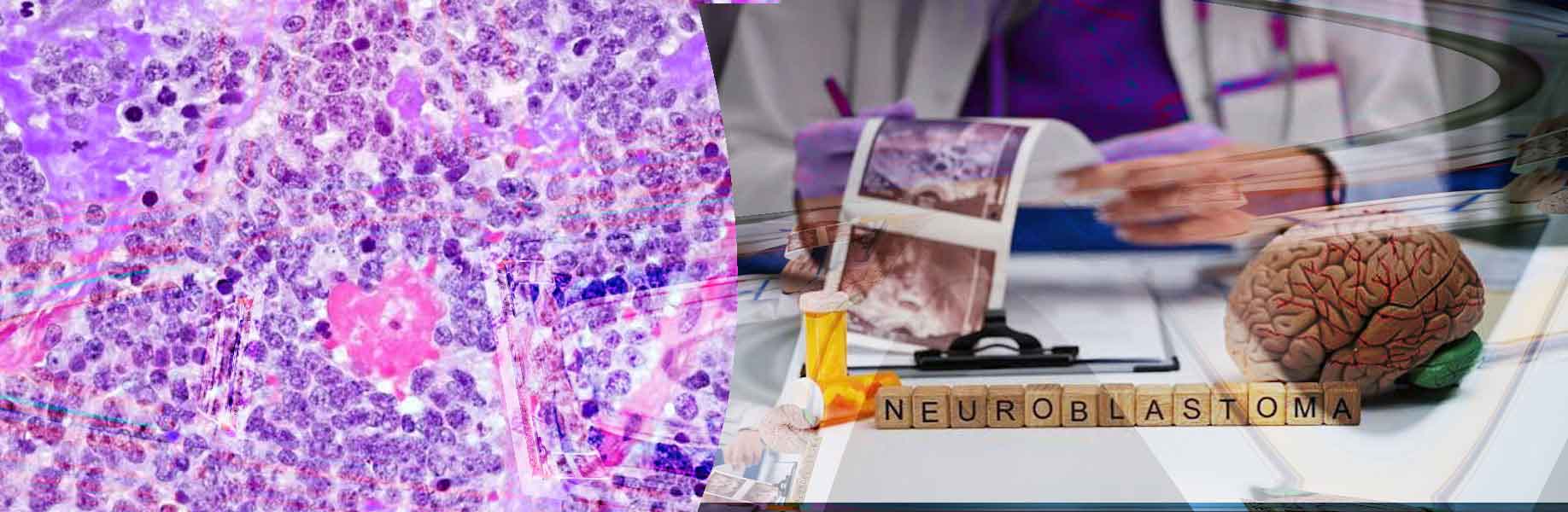
The technique breaks a patient’s many layers of information - such as tumor DNA, blood DNA, and tumor RNA messages - into linked patterns, much as a prism separates white light into colors. Researchers applied it to data from neuroblastoma cases drawn from only 71 to 101 patients. The method produced two new predictors of how long patients would live after treatment. These predictors performed better than standard markers and remained reliable across groups of children treated at different hospitals and times.
The predictors are easier to understand than those from many other AI systems. They point to specific disease processes and suggest genes that could be targeted to make tumors more responsive to drugs. The same framework has been tested experimentally in other cancers, including adult brain tumors. A spinoff company now applies the predictors to help drug developers select patients most likely to benefit from trials and to identify additional targets that could improve results.
The researchers note that the method works with very small numbers of cases and could one day support treatment choices for single patients. They also see possible uses beyond medicine, such as in sustainable energy research, because the underlying mathematics does not depend on any particular type of data.
This research is published in APL Quantum.