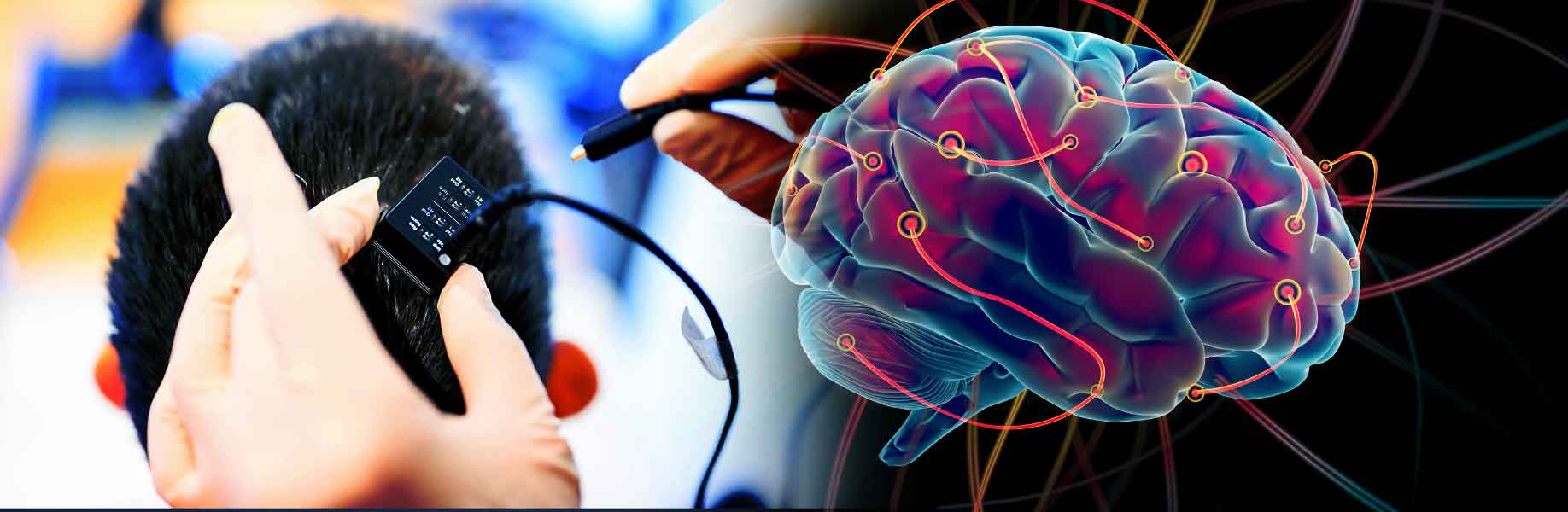

A new brain-computer interface (BCI) is being developed at the University of California, Davis. This technology aims to help people who cannot speak due to neurological conditions regain the ability to have real-time conversations. The device turns brain activity into voice instantly, acting like a digital vocal tract (a system that mimics how humans produce sound). In a study published in Nature, researchers showed this system working with a man who has amyotrophic lateral sclerosis, or ALS (a disease that weakens muscles and affects speech).
The man, part of the BrainGate2 clinical trial, has four microelectrode arrays implanted in the part of his brain that controls speech. These arrays send brain signals to a computer, which interprets them to recreate his voice. He can now speak to his family through the computer, adjust his tone, and even sing simple melodies. This is a big step from older text-based BCIs, which are like texting and cause delays, to a voice call-like experience with no noticeable lag.
Breaking barriers with real-time speech
The BCI translates brain signals into audible speech in just one-fortieth of a second, similar to the delay when someone hears their own voice. The man can say new words, interrupt conversations, and change his voice’s pitch to ask questions or emphasize words. Listeners understood nearly 60% of his synthesized speech, compared to only 4% without the device. This improvement comes from artificial intelligence (AI) algorithms. The algorithms map neuron firing patterns to intended sounds, allowing the system to capture speech nuances.
Though promising, the technology is early and tested on one person with ALS. More studies with different participants, including those with speech loss from strokes, are needed. The BrainGate2 trial is open for new participants, offering hope to those affected. This innovation could transform lives by restoring a key part of identity lost to paralysis, though it remains limited to investigational use under federal law.