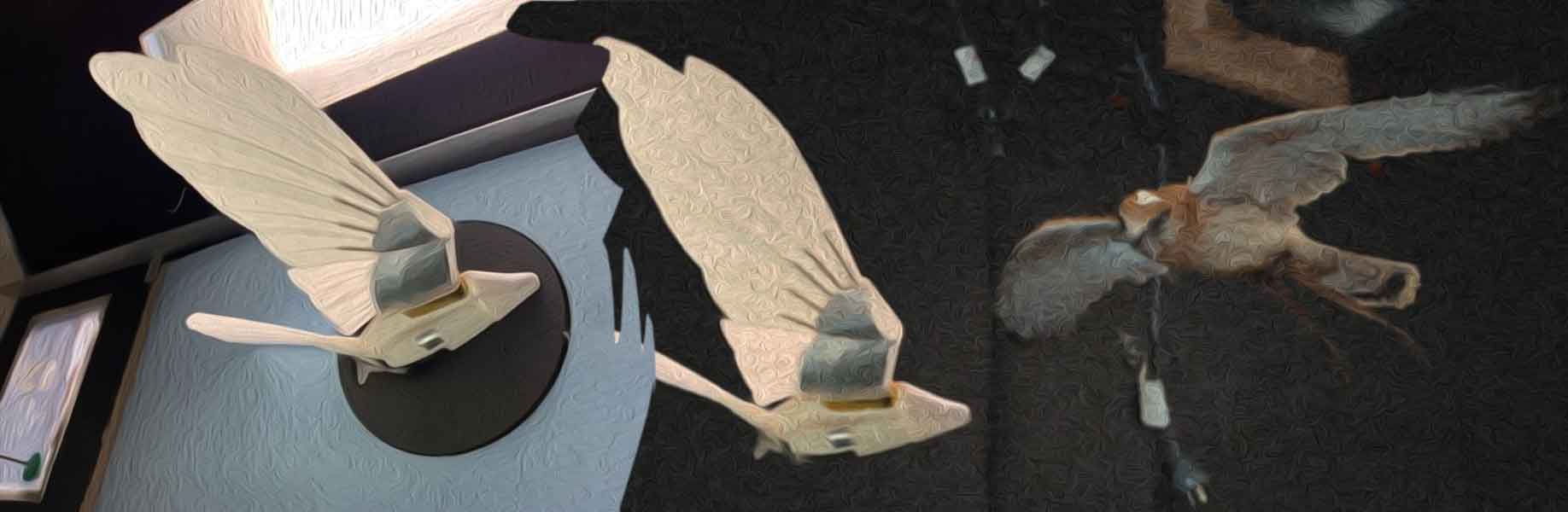

Researchers have built a robotic bird that copies the movements of a nankeen kestrel to understand how these birds handle rough air. Rough air, known as atmospheric turbulence, refers to irregular and unpredictable movements of the wind. This turbulence is expected to get worse because of climate change.
This research could help build better small unmanned aerial vehicles. These drones are used for taking photos from the sky, rescuing people, checking crops, and delivering packages, but they often have to stop flying when the wind is too bumpy.
How real birds stay balanced
The researchers watched real kestrels in a large wind tunnel using motion capture technology. They found that birds do not use just one method to deal with wind gusts. Instead, they constantly change the shape of their wings and tails. This process of changing shape, along with the natural flexibility of their feathers and joints, helps absorb sudden changes in the wind. Birds also feel these wind changes very quickly and react right away to keep control.
To understand this better, the researchers built a robotic replica of the kestrel. This robot copies the most important wing and body adjustments. By using the robot instead of a live bird, the researchers could precisely measure the physical forces involved in keeping the bird steady.
The researchers discovered specific techniques that the kestrel uses to stay stable. While small drones already try to copy some of these bird strategies, they are often too complex to work well in real life. The researchers now plan to study how kestrels sense small amounts of wind disruption in their environment. They hope to take this complex data and make it simple enough to use on larger aircraft in the future.
The researchers have described the methods and results of this study in a paper published in Journal of The Royal Society Interface.