
A safer path to cellular rejuvenation
Researchers led by Harvard University's Wyss Institute have identified a single gene, SRSF1, that can reverse multiple hallmarks of aging in human cells and extend lifespan in mice. The study, published in Nature Aging, offers a promising alternative to the controversial Yamanaka factor approach that has long dominated aging research.
Aging researchers have understood since 2006 that cellular aging might be reversible. Four specific genes - now known as the Yamanaka factors - could reprogram adult cells back to a pluripotent, embryonic-like state. When applied briefly, these factors can partially rejuvenate old cells while preserving their specialized functions. However, this approach carries significant risks, including potential cancer formation and loss of cell identity.
A transcriptomic approach to measuring age
To find safer alternatives, the research team first developed a machine learning algorithm that predicts cellular age based on gene expression patterns. This transcriptomic aging model reads the activity levels of genes involved in key biological processes.
Using this age predictor as a screening platform, the team tested a focused library of candidate genes for rejuvenation potential. One gene emerged decisively ahead of the rest: SRSF1, which encodes an RNA splicing factor - a protein that helps edit messenger RNA molecules before they are translated into proteins.
Over-expression of SRSF1 in aged human fibroblasts reversed multiple aging hallmarks simultaneously. The treatment reduced cellular senescence, eased proteostatic stress, and dampened inflammaging. DNA repair programs were restored.
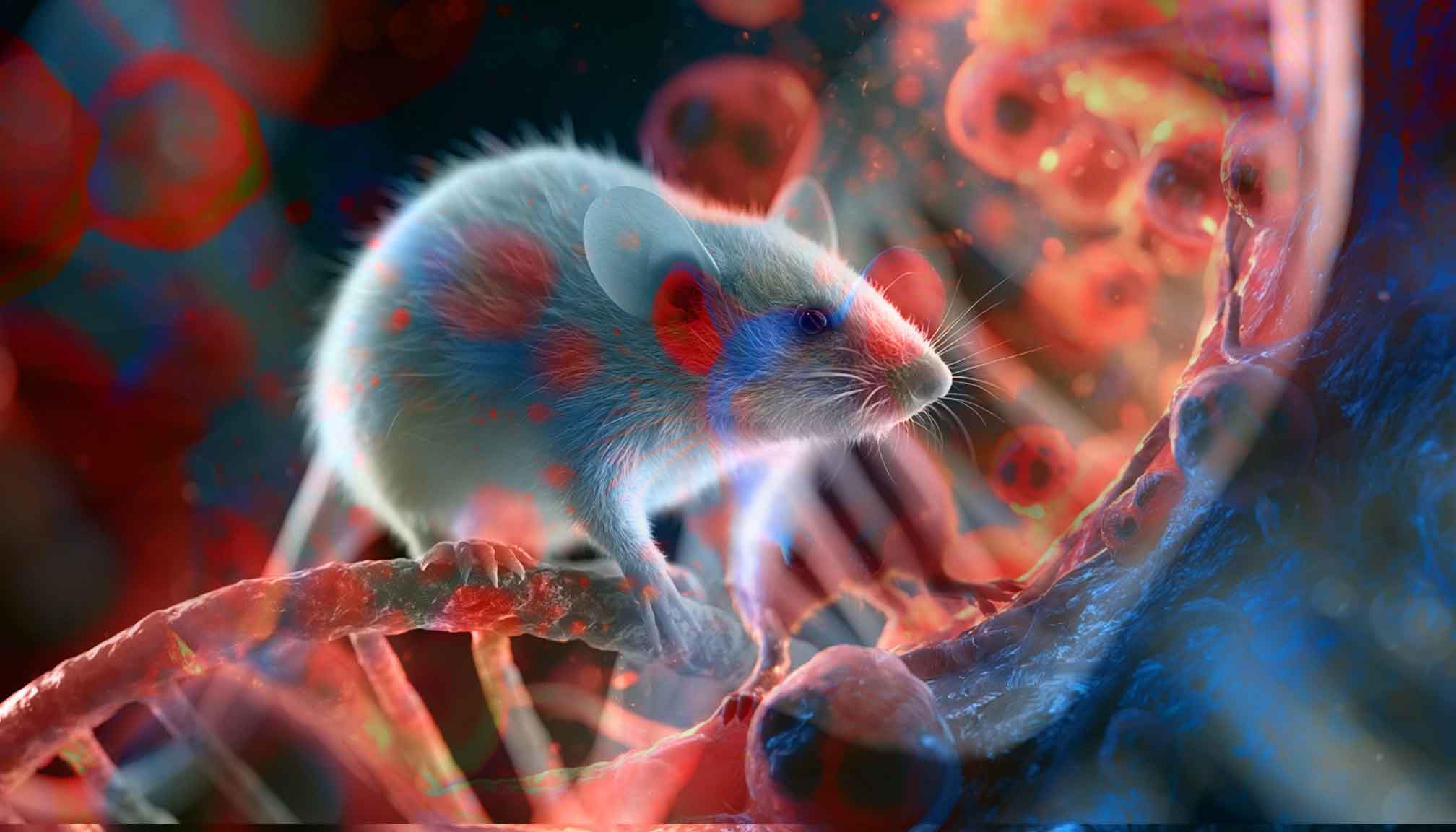
The cellular benefits translated to whole-organism effects. When researchers packaged the SRSF1 gene in a liver-targeting viral vector and administered it to aged mice, the animals showed reduced frailty progression and lived longer.
This research matters because it demonstrates that cellular rejuvenation does not require erasing cell identity. By working through machinery that cells already use for normal RNA processing, SRSF1 offers a potentially safer and more controllable therapeutic target and suggests that gene therapies could one day slow human aging.