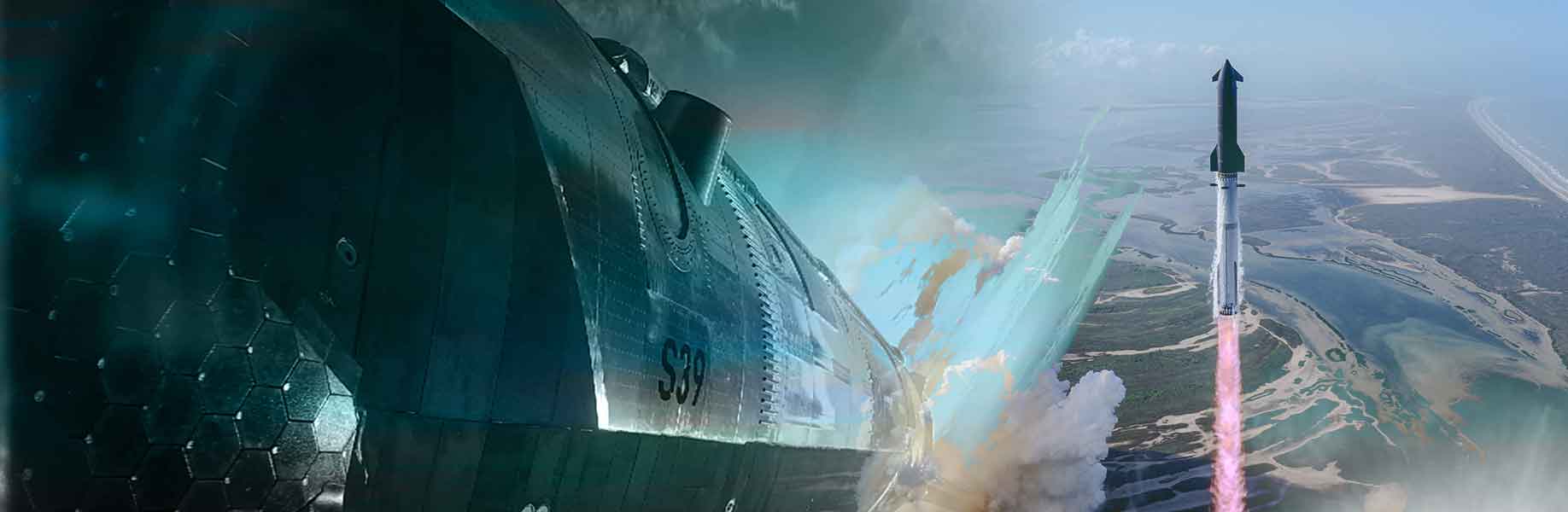

SpaceX carried out Starship's twelfth flight test. This was the first test flight of the Starship and Super Heavy Version 3 vehicles and the Raptor 3 engines. Starship carried modified Starlink satellites designed to take pictures of the spacecraft in space. Super Heavy is the giant first-stage booster rocket that provides the main power at liftoff.
Super Heavy ignited all 33 Raptor 3 engines. One engine shut down during the climb, yet the booster completed its ascent successfully. Starship then performed a hot-staging maneuver, a process in which its six Raptor engines ignited while still attached to separate cleanly from the booster and continue into space. After separation, Super Heavy flipped direction and tried a boostback burn, a firing of its engines to reverse course toward the launch area. It could not light all planned engines, so the burn ended early. The booster later attempted a landing burn but made a hard splashdown, or uncontrolled ocean impact, in the Gulf of America.
Starship’s journey through space and return
During its climb to space, Starship lost one of its Raptor 3 vacuum engines. It still reached the planned path thanks to its engine-out capability, the ability to keep flying safely with fewer engines. While coasting in space, Starship released all 20 Starlink simulators, test versions of satellites that provide internet service, plus two modified Starlink satellites. These satellites stayed on the same path and captured images of Starship.
Starship then re-entered Earth’s atmosphere. It collecteddata on how well its heatshield and its overall structure performed. In the final minutes, the spacecraft carried out a deliberate move to push its rear flaps to their structural limits. It also executed a dynamic banking turn, a sideways tilt, to practice the path future flights will follow when returning to the launch site. Starship used its four flaps to steer toward the planned splashdown area in the Indian Ocean. It performed a landing flip, a quick rotation, followed by a landing burn with two Raptor engines and achieved a controlled splashdown. The flight provided valuable information for future reusable spaceflight operations.