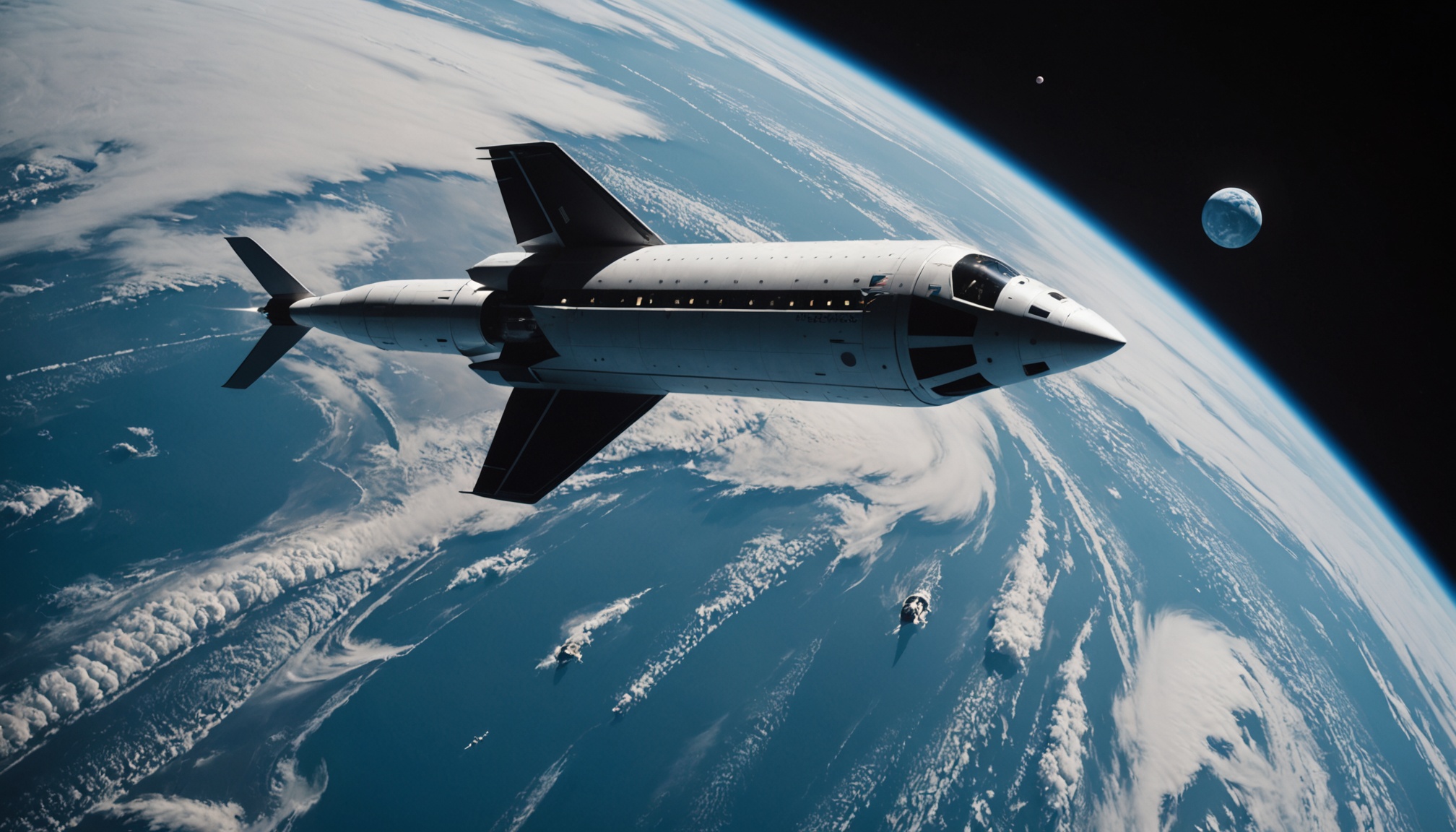


SpaceX launched Starship on the rocket's 15th test flight. The Super Heavy booster climbed away from Pad 2 under the power of 33 Raptor engines. After the first-stage ascent, the vehicle performed a hot-staging, a maneuver in which the upper stage fires its engines while still attached to the booster, and the Starship spacecraft continued toward space on six Raptor engines. The booster then flipped around, back toward the launch site. But the fuel mass was low, - SpaceX says the root cause is under investigation. The booster's control system triggered an automated abort and diverted the vehicle to an offshore landing. It hovered over the Gulf as its engines cut off, and its flight termination system was triggered.
A first catch for the ship
Starship itself completed a clean ascent and later relit one engine for an orbital insertion burn, placing it in orbit around Earth. From there it deployed 26 Starlink V3 satellites, and controllers made contact with all of them as they began raising their orbits. The ship then spent more than 20 hours coasting in space while engineers watched its systems. Then Starship flew back to the Texas coast, made a final sweeping turn over the Gulf, and approached the same pad it had left 22.5 hours earlier. Three Raptor engines ignited for the landing flip and slow descent, and the launch tower's mechanical arms, known as Mechzilla, closed to catch the returning ship for the first time on Saturday, November 14.
The flight matters because full and rapid reuse of both stages is the central promise of the Starship program, which first flew in April 2023 and has now launched 15 times. Bringing the ship home to the same site it left, and catching it with the tower, shows the recovery method SpaceX needs if Starship is to fly often at low cost. The booster abort shows the system can handle failures safely, though the fuel problem remains unsolved.