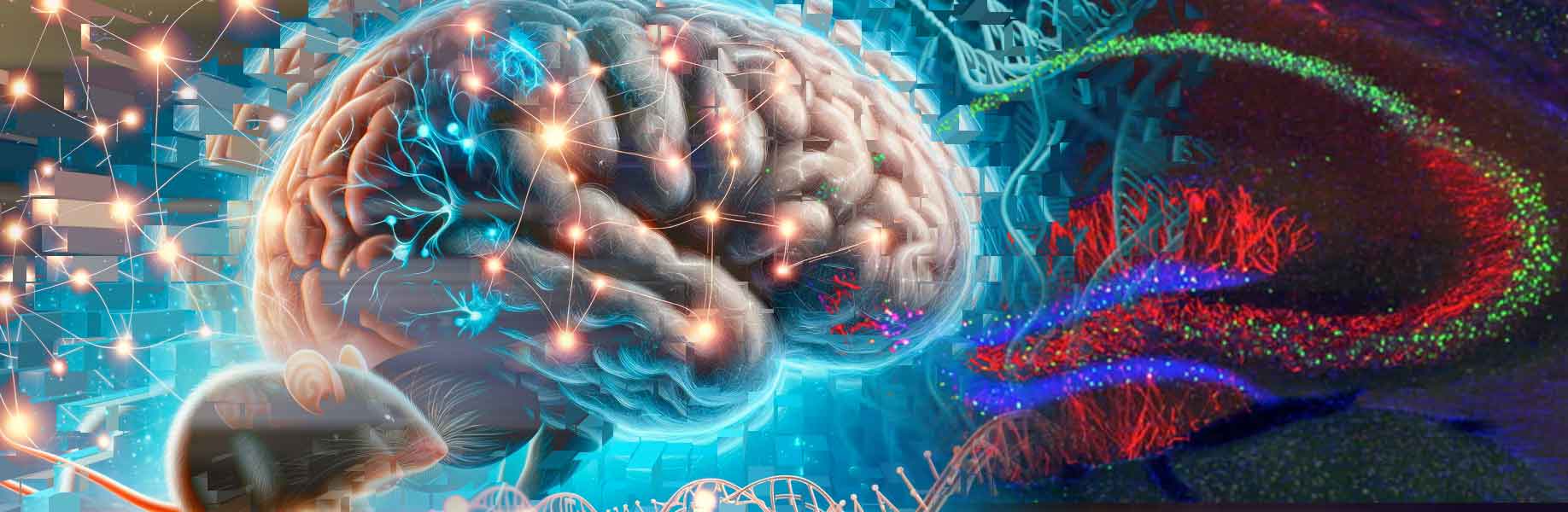

A new study in mice shows that the brain can store many different memories by reusing some of the same cells without mixing them up or losing older ones. Researchers led by NYU Langone Health focused on the hippocampus, a brain area deep inside that helps turn new experiences into memories, and its connections to the neocortex, the brain's outer layer where long-term memories are kept. They examined specific parts including CA3, which sends fast-changing information into the system; CA1, a central area in the hippocampus; and the retrosplenial cortex, a region involved in navigation and scene memory.
How shared cells manage memory signals
The study found that about one in four cells in the CA1 area receive most of the incoming signals from CA3. When these same cells send signals onward to the retrosplenial cortex, they fire in a different pattern. This creates separate channels for incoming and outgoing messages even though many of the same cells are used. It works much like a switchboard that routes many phone calls without mixing the lines. This arrangement may let the retrosplenial cortex keep its maps stable while other areas continue to learn from new experiences.
The same cells that handle signals during the day stay active at night during sleep, in short bursts of activity called sharp-wave ripples. These bursts replay the day's patterns and help strengthen memories by moving information from the hippocampus to the neocortex. Researchers trained mice to run on a track for rewards while using electrodes to record hundreds of brain cells and tracking positions. Sleep recordings showed that the patterns from waking hours were replayed many times in different ways across the brain regions.
The findings suggest that this memory switchboard helps the brain stay flexible for new learning while keeping old memories safe. Researchers say the discovery could provide a model for artificial intelligence systems that need to learn continuously without overwriting earlier knowledge. It may also help explain memory issues in Alzheimer's disease and similar conditions where these circuits might not work well.
This study is published in Nature.