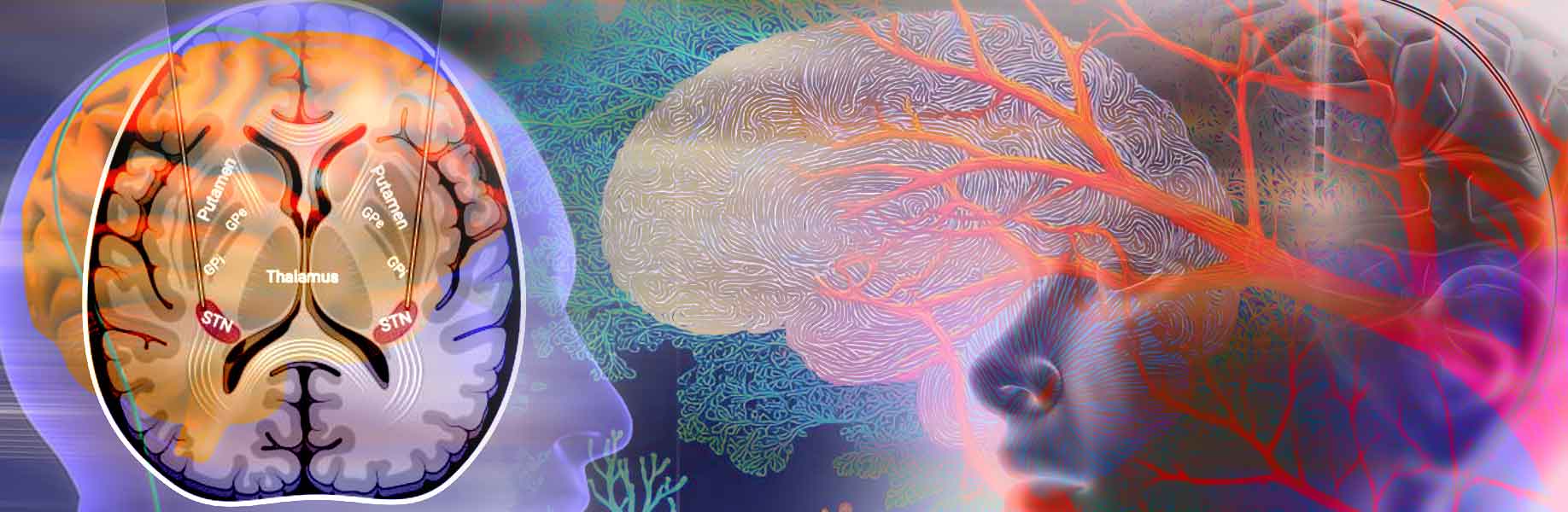

Mount Sinai researchers have provided direct evidence that deep brain stimulation can reshape white matter pathways in the brain and alter communication across large neural networks. White matter consists of bundles of axons that link different brain regions and carry electrical signals. This finding offers a new explanation for how the therapy produces lasting benefits in patients with severe depression that does not respond to standard treatments.
Deep brain stimulation uses implanted electrodes to send high-frequency electrical impulses to targeted brain areas. It is already used successfully for Parkinson’s disease, epilepsy, and obsessive-compulsive disorder. In depression, it has helped many people when other approaches failed, but the exact biological reasons for its success were unclear until now.
The scientists delivered stimulation to white matter next to the subcallosal anterior cingulate cortex in a non-human primate model. This allowed them to observe the effects of the procedure without the influence of existing illness. They found increased fractional anisotropy in the cingulum bundle, indicating improved structure and organization of the white matter fibers. At the cellular level, there were more oligodendrocytes with myelin and greater myelination along the axons. Myelination is the process of wrapping axons with a protective coating that speeds up signal transmission. These changes point to active rebuilding of the brain's connection pathways.
Effects on brain networks and long-term recovery
The stimulation also produced widespread shifts in how brain regions interact, especially in the default mode network. This network is involved in self-referential thinking and is frequently disrupted in depression.
The study demonstrates that deep brain stimulation can do more than modify short-term electrical activity. It can drive structural plasticity in white matter, which may support the long-term recovery observed in clinical settings. These insights could guide improvements in how the therapy is applied and inspire new treatments that promote similar white matter changes through other methods.
Those conducting the research plan to test whether the same remodeling happens in people undergoing deep brain stimulation for depression. They will also examine effects on the activity of individual neurons within brain networks. This deeper knowledge of how stimulation physically and functionally alters circuits may speed the development of better therapies for psychiatric disorders.
This research is published in Nature Neuroscience.