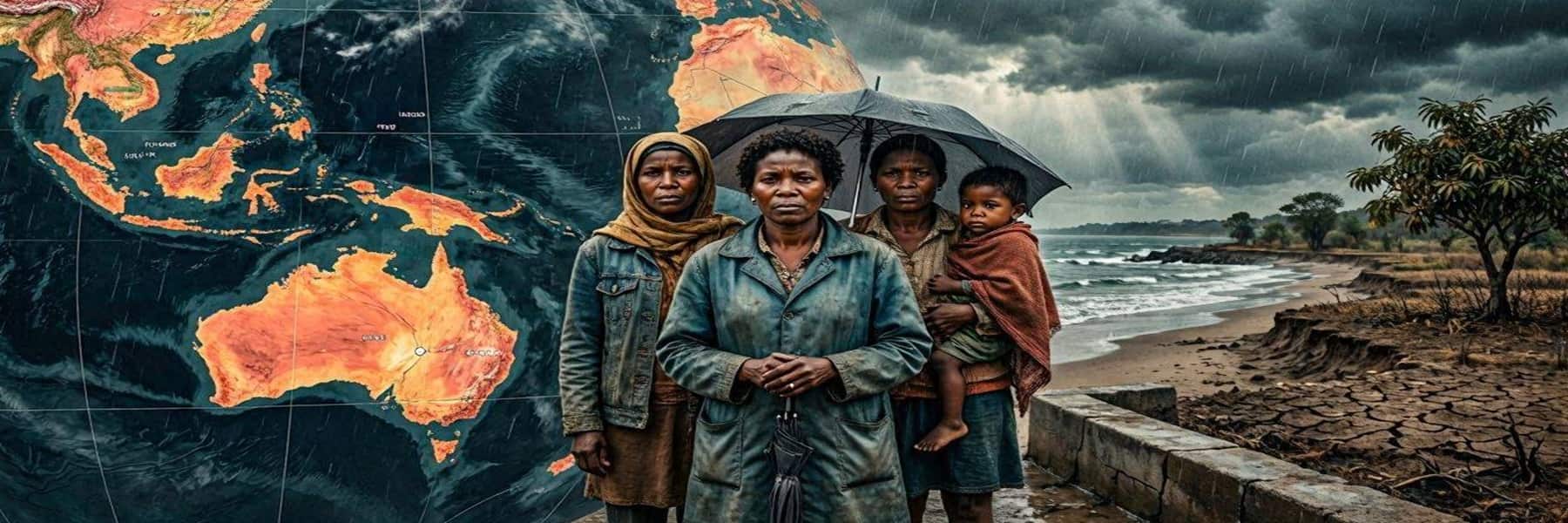

The World Meteorological Organization has confirmed that El Niño conditions have officially emerged, with an 80 percent probability persisting through August and a 90 percent likelihood of continuation thereafter. Fueled by unusually warm ocean waters in the tropical Pacific, the event is expected to drive more extreme weather globally including intensified droughts, heatwaves, and hurricanes.
In a stark warning published July 12, The Independent reported that humanitarian organizations are particularly concerned about the gendered impact of the climate event. Women in developing regions, who typically bear disproportionate responsibility for food collection, water provisioning, and caregiving, are expected to face the harshest consequences. Charity leaders described the situation as deeply worrying, noting that the compounding effects of extreme weather on food security and displacement tend to magnify existing gender inequalities. UN Secretary-General António Guterres echoed the urgency, stating that potential impacts could hit even harder than previous cycles, with the most vulnerable populations bearing the greatest burden.