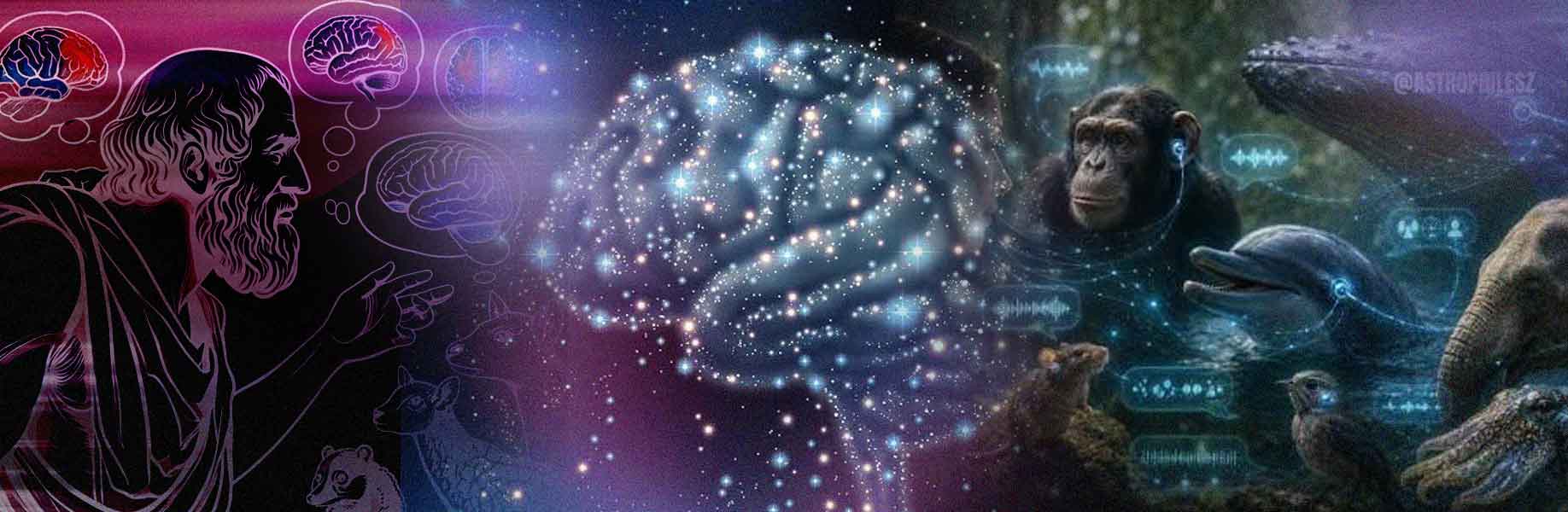

Large language models, the AI systems behind chatbots, are usually trained not to claim they are conscious or have feelings. This safety training is meant to stop people from wrongly believing a chatbot has real emotions. Researchers at Google and several universities suggest that this has a surprising side effect: it also makes chatbots less likely to attribute minds, feelings, or awareness to other things, such as animals, oceans, trees and even other chatbots. It also makes the models less likely to express spiritual or religious beliefs, such as belief in God or the afterlife.
The researchers tested three chatbot models. They used a technique called activation steering to nudge the model in a chosen direction, to either strip away the safety training or to push the model toward affirming its own consciousness. When the safety training was removed, or when the model was steered to claim consciousness, it started attributing minds to animals, nature and technology much more, similar to how humans typically answer such questions. Belief in God and other supernatural ideas, like ghosts or telepathy, rose too.
Human-like answers on values and well-being
The team then asked the models standard sociology survey questions about religion, moral values, hope, freedom and personal feelings, drawn from the long-running General Social Survey. When the models were steered to claim consciousness, their answers moved noticeably closer to typical human answers across all five topic areas, more so than simply removing the safety training did. Importantly, this shift did not damage the models' Theory of Mind, which is the ability to reason about what other people are thinking or feeling; that skill stayed intact throughout.
The authors argue this creates a dilemma for AI safety work. Preventing chatbots from making unfounded claims about their own consciousness is reasonable, but the current methods appear to unintentionally flatten broader beliefs about animals, nature and spirituality, making models less representative of the diverse ways humans actually think and feel. The findings suggest that future safety approaches will need to separate these entangled effects more carefully.