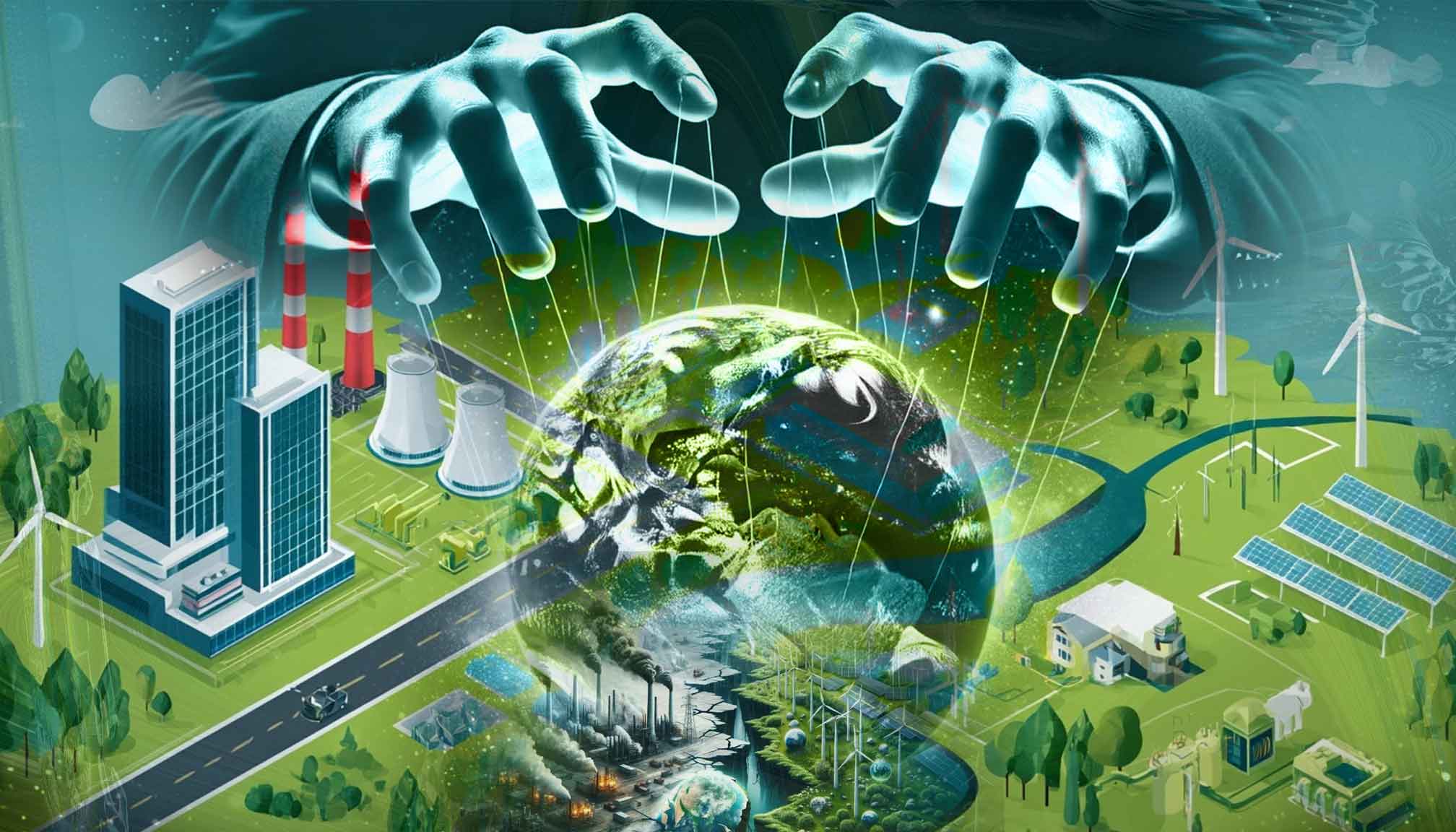

The energy transition is finding an argument that does not require anyone to be persuaded of the seriousness of climate change: less dependence on others. As COP31 brings more than 190 countries together in Antalya, governments have reasons to invest in renewables that would survive even a breakdown in the negotiations. Protecting themselves against supply disruptions and the cost of imported fuels has become a national security priority. That is the significant change.
The renewables push
The latest International Energy Agency report shows what this means. Between 2026 and 2031, renewable capacity additions in emerging and developing economies outside China could, for the first time, match those in advanced economies. These are forecasts, but they point to growth extending further beyond the major economies.
Fatih Birol, the IEA’s Executive Director, explains the shift: environmental concerns initially drove political support for renewables; today, energy security matters most. Their competitive costs mean that targets once negotiated as climate obligations can also be defended as matters of national interest.
A different situation
This could keep the transition going even if international cooperation falters. It could also alter its priorities. A government seeking affordable electricity and a reliable supply will not necessarily attach equal importance to funding climate adaptation at home.
Nor is replacing imported fuels with renewable installations enough. The IEA warns of concentrated supply chains and delays in grid development: advanced-stage renewable energy and storage projects awaiting connection now total 3,000 gigawatts. Manufacturing equipment, financing infrastructure and running electricity systems matter as much as having sunshine or wind.
Possible futures
Two possible futures emerge. In one, the expansion of renewables helps countries build industries, improve supply and negotiate with greater autonomy. In the other, they change suppliers without developing sufficient capabilities of their own: they buy technology, take on debt and remain exposed to decisions made elsewhere.
To tell them apart, we will need to watch who manufactures the equipment, the terms on which projects are financed and which grids are built. Countries start from very unequal positions: emerging and developing economies outside China, home to nearly two-thirds of the world’s population, received just 18% of global clean energy investment in 2025.
An illusion?
COP31 therefore still has a task that cannot be left to the market: widening access to finance and sustaining protection for those least able to afford it. National security can accelerate the transition. But turning that momentum into a shared future will still require agreements. The promise of safety through every country fending for itself is an illusion.
This article is republished from Futuribles. Here's the original article in Spanish and English.