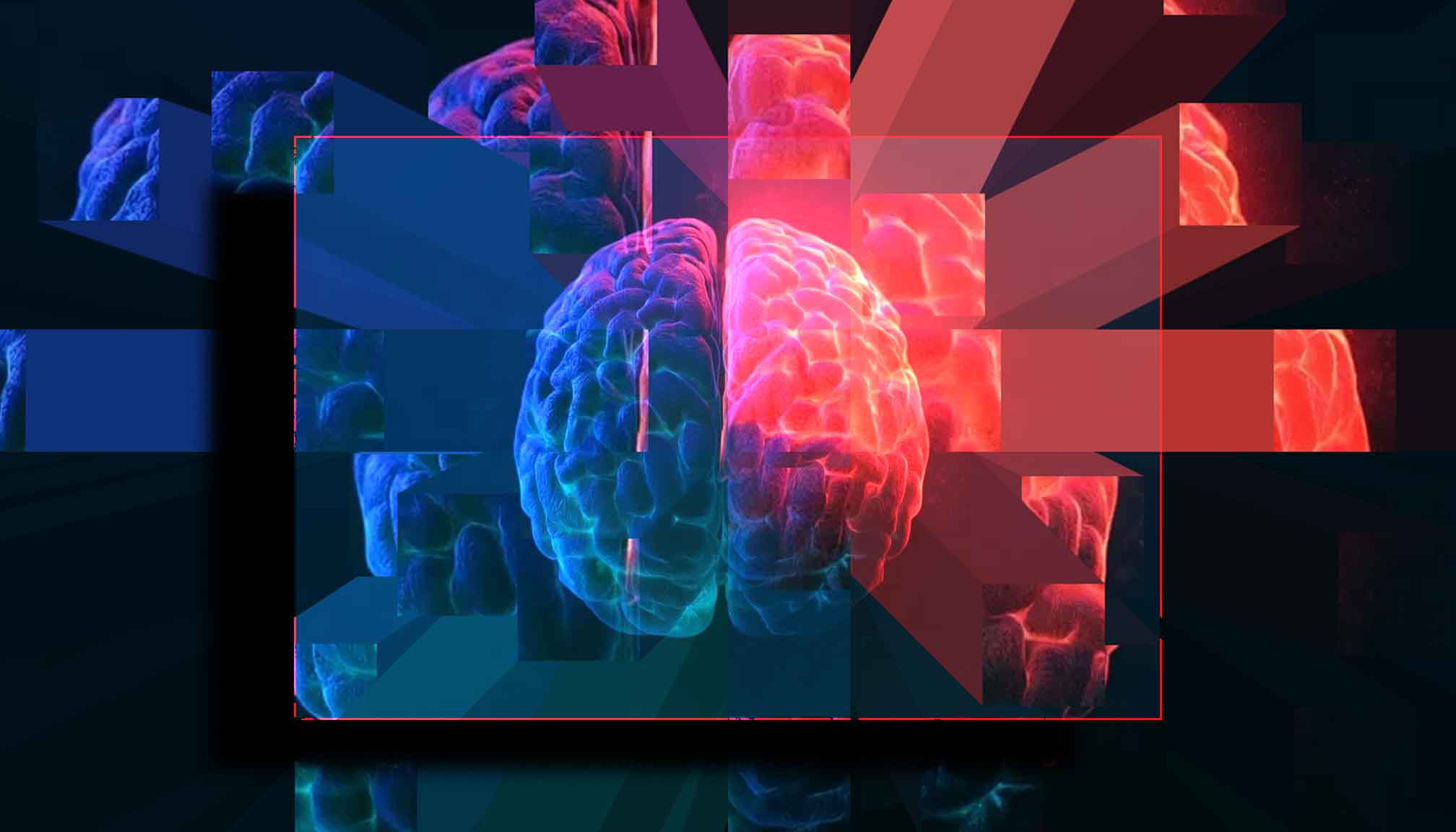
Scientists at Stanford Medicine report that the structure people call the brain is two distinct organs placed next to each other. For many years the common view was that one early progenitor cell, meaning an early cell that later produces more specialized cells, gave rise to the whole brain. The new study finds that this is not so. The front of the brain, which supports thinking, language, and awareness, comes from one progenitor. The back of the brain, often called the hindbrain or brain stem, comes from another. These two groups of cells appear very early in the embryo and do not overlap.
The hindbrain runs breathing, heartbeat, sleep, swallowing, and hunger. Illnesses such as spinal muscular atrophy and amyotrophic lateral sclerosis often harm neurons there. Until now it was hard to grow human hindbrain neurons in the laboratory, which limited study of these conditions.
A developmental split with a long evolutionary history
Work on mouse embryos during gastrulation, the stage when an embryo first forms a basic body plan, showed one cell group that uses the gene Otx2 and becomes the front and middle of the brain, and another that uses the gene Gbx2 and becomes the hindbrain. Chromatin, the packed form of DNA that controls which genes can be used, differs between the two groups and locks each onto its own path. With that knowledge, researchers turned human pluripotent stem cells, cells that can become almost any body cell type, into working hindbrain motor neurons. Those cells fired action potentials, the brief electrical signals neurons use to communicate, and made the expected identifying proteins.
The same two-origin pattern is seen in chickens, zebrafish, and acorn worms, which share a distant ancestor with humans. The authors suggest that evolution brought two older nervous systems together in space rather than building one brain from a single source.
This research is published in Nature Neuroscience.