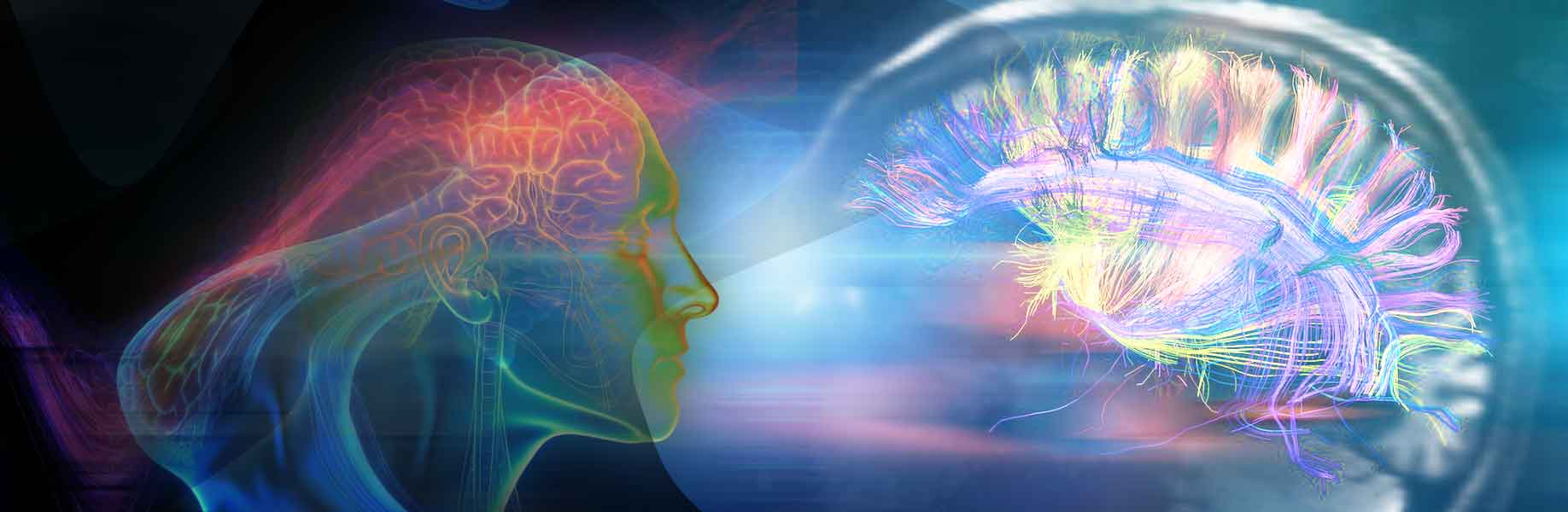

Physiotherapists use ultrasound to warm tissues for healing, and surgeons use high-intensity ultrasound to destroy tumors by heating them. Over the past ten years, scientists have explored using low-intensity ultrasound to affect brain activity in specific areas, a process called neuromodulation. This means changing how nerve cells work. Early tests are checking if it can help with Alzheimer’s, a memory-loss disease, epilepsy, a seizure disorder, or tremors, the shaking seen in some conditions.
Researchers from ETH Zurich, the University of Zurich, and New York University have improved this technique. They created a device that can target three to five precise spots in the brain at once, as shown in their study. Before, this was possible but less accurate. The device works by placing it on the head to send ultrasound through the skull without surgery. The researchers tested the device on mice, using a hood with hundreds of ultrasound transducers that produce sound waves. These waves overlap like a hologram to focus on specific brain areas.
Safer and more effective brain stimulation
The new method uses lower ultrasound intensity, which is safer for the brain. High intensity can overheat or damage brain tissue or blood vessels. By targeting multiple spots, it avoids the all-or-nothing effect of older methods, where weak waves did nothing and strong ones risked harm. The ultrasound may briefly warm the brain and affect channel proteins, which are parts of nerve cells that control ion movement.
Scientists still need to study how this works fully. The device also lets them see which brain networks activate, using imaging to watch the effects. This study, published in Nature Biomedical Engineering, focused on developing the technology, not treating diseases yet. Next, the researchers plan to test the new method on animals with brain conditions like Parkinson’s, a movement disorder, and stroke recovery, ensuring safety before human use.