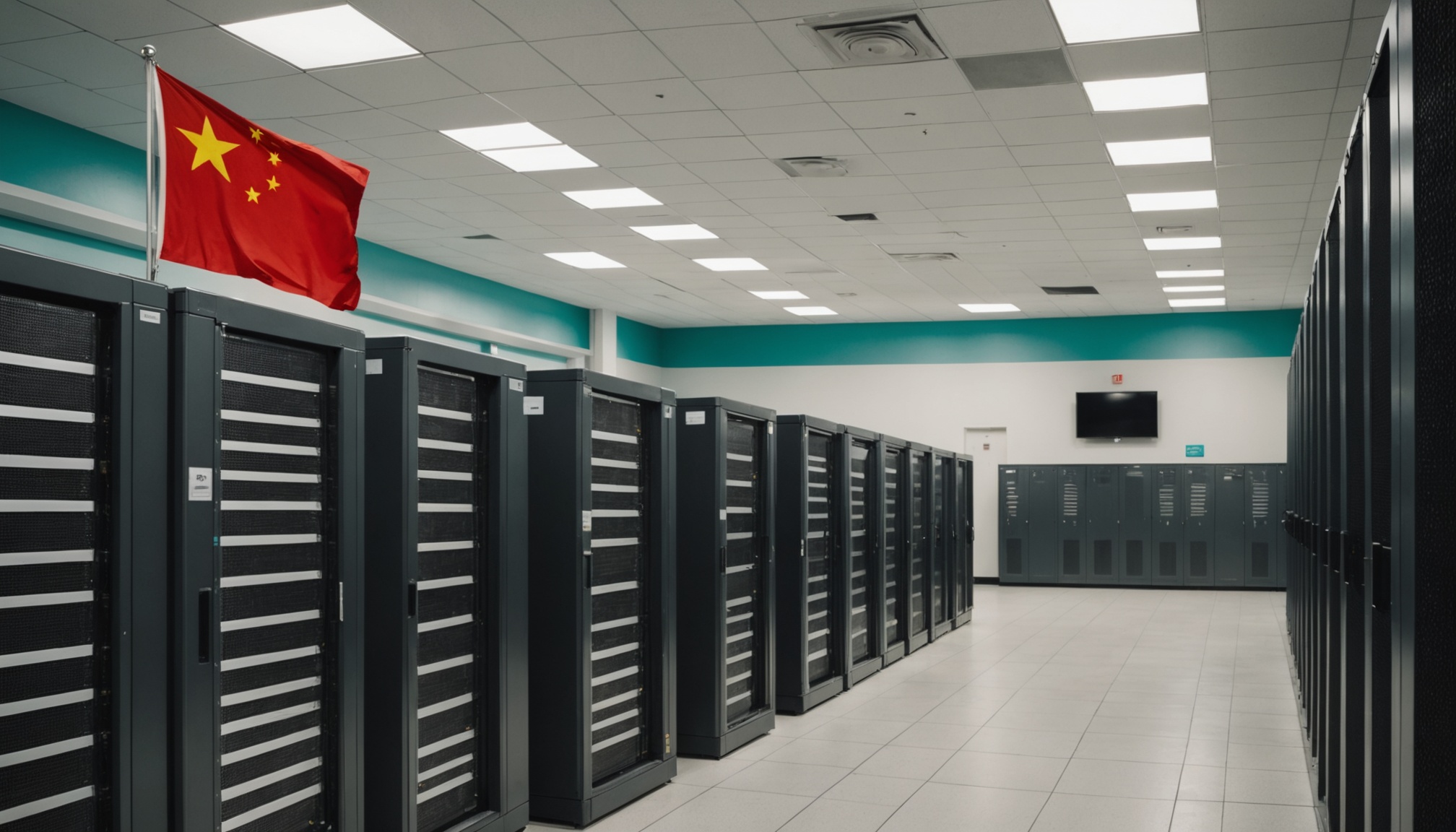


The Trump administration is preparing new export rules aimed at stopping China from using advanced American artificial intelligence chips through foreign data centers, Ars Technica reports. Under current law, Chinese companies cannot buy these high-end chips directly, but until now it has been legal for data centers in other countries to rent customers in China remote access to the same hardware.
The US Commerce Department says this loophole could let rivals train AI systems capable of supporting military and intelligence activities that threaten US national security, including work on weapons of mass destruction, cyber-espionage, and weaponized disinformation.
The rule takes effect 90 days after it is published in the Federal Register. Companies based in countries considered a high risk of diverting chips to China, Russia, or Iran must apply for a license before transferring large volumes of advanced chips. License holders must apply strict know-your-customer controls, meaning they must verify who their clients really are, and file monthly reports that list all parties involved, their parent companies, and the final destination of the chips sold. Firms that violate the rules could face new import restrictions, tougher license requirements, or a downgrade in their status under the US export control system.
A scandal behind the crackdown
The move follows a scandal at Nvidia, the leading maker of AI chips. Chief executive Jensen Huang resigned after admitting an affair with Alice Huang, an executive at Megaspeed, a Singapore-based data center company and one of Nvidia's biggest customers. US investigators suspect she was recruited by Chinese intelligence, and they allege she used industry contacts and a series of shell companies - firms that exist mainly on paper - to access 240,000 chips banned for export to China.
This news matters because computing power has become a central front in the rivalry between the United States and China. Trump, who is meeting Chinese President Xi Jinping at an economic summit this week, reportedly does not expect countermeasures from Beijing. Chinese analysts warn the policy could backfire, speeding the shift of Chinese companies to domestic AI chips and locking American technology out of the world's largest single chip market. How aggressively the Commerce Department will enforce the new rule remains unclear.