
As microprocessors in computers, medical devices, and sensors become smaller, engineers struggle to manage systems at very tiny scale. Problems include unwanted interactions between signals, the short life of delicate quantum information, and interference from vibrations, heat, material flaws, and noise from electric and magnetic fields.
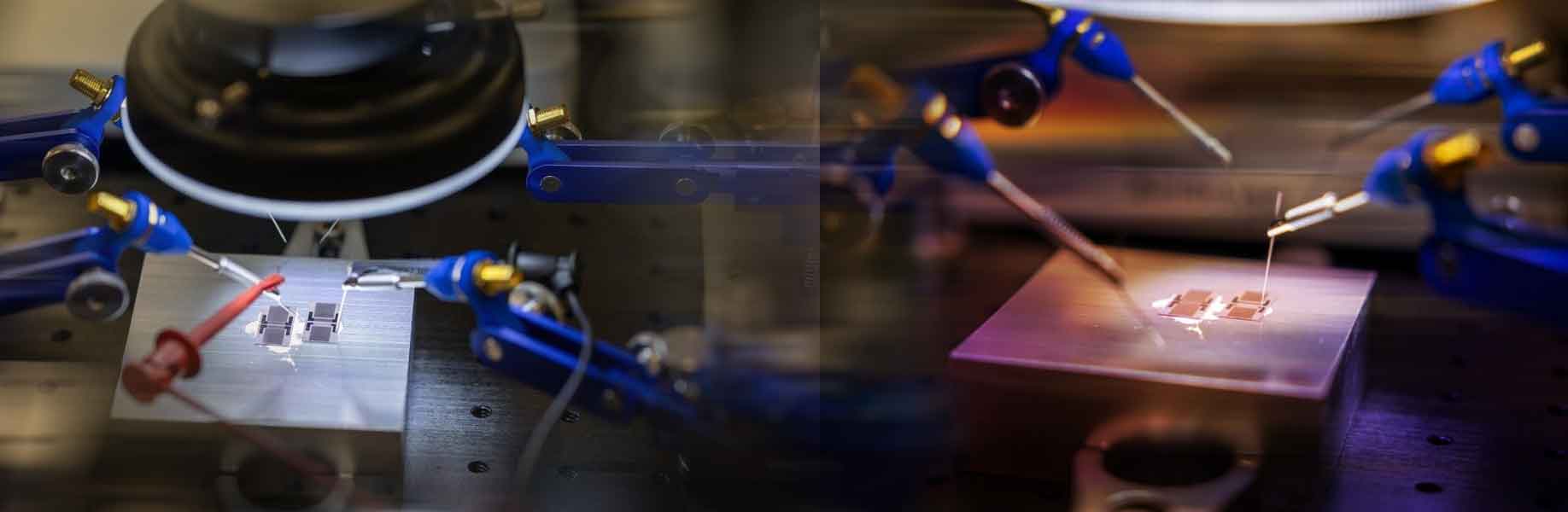
Researchers at Virginia Tech have created a small chip-based device known as an acoustic atom. This device traps and controls acoustic waves, which are vibrations that move through materials. The device creates distinct energy levels for these waves and uses electric fields to move between the levels, just as electrons jump between levels in atoms. The device therefore acts like a tiny artificial atom made from sound.
How the acoustic atom controls sound energy
Unlike light waves or radio waves, acoustic waves can be squeezed into a very small space on a chip and can store information or energy for a longer time. Acoustic waves therefore provide a compact and sustainable way to process and route signals. This makes them promising for processing signals in quantum technologies and microwave systems, which use radio-like waves for communication. The approach offers a compact and efficient method to handle signals without some of the problems that affect other quantum systems.
The researchers suggest that this technology could lead to smaller parts for microwave communication, improved methods for directing and cleaning up signals, new systems for analog computing that use continuous signals rather than on-off digital ones, better connections to quantum hardware, and sensors that detect very small changes. At present, the device uses ordinary steady microwave sources to drive the sound waves. The long-term aim is to operate at the level of single phonons, which are the smallest units of sound energy, similar to photons for light. Further progress will come from work with experts in quantum information and power electronics at Virginia Tech and partners at Oak Ridge National Laboratory.
This study is published in Physical Review Letters.