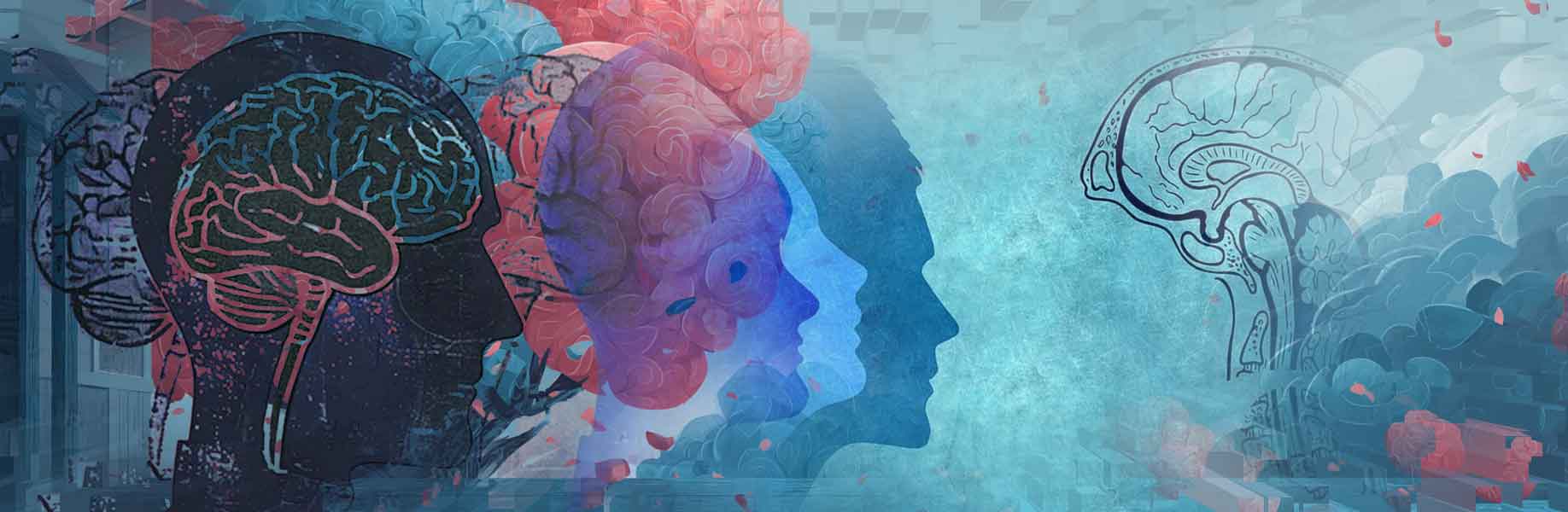

Imagine a high-security mansion where the guards suddenly forget their access codes. No scene in a movie captures the biological tragedy of Alzheimer’s disease better than this. While people often associate the disease with "forgetful wires" in the brain, a massive new study analyzing 850,000 individual brain cells reveals a different culprit. The real disaster begins with the brain’s security system: the microglia. By mapping the hidden switches in our DNA, the researchers discovered that genetic glitches in these immune guards cause them to lose their identity. This triggers a total system collapse known as "epigenome erosion," where the brain’s instructions become unreadable. This process leads to cells losing their function, which eventually results in the tragic loss of who we are.
The Janitors of the Human Mind
To understand how Alzheimer’s develops, one must first understand the microglia. Unlike the neurons that carry our thoughts and memories, microglia act as the brain's "cleanup crew" and "security guards." These cells move constantly, clearing out cellular trash and protecting the brain from harmful invaders.
In a healthy brain, these guards work with high efficiency, ensuring a clean environment where neurons can communicate. However, this study shows that the genetic risk for Alzheimer’s lives most heavily within these specific cells. When the instructions for these guards contain errors, the entire mansion falls into disrepair. Because the cleanup crew stops working, the brain becomes a cluttered, toxic environment where memories can no longer survive.
The Master Switch of the Security System
Every cell in the body contains the same DNA "manual," but each cell type reads only certain pages. The researchers identified a critical master switch, known as SPI1, that controls the brain's security operation. In a healthy person, this switch ensures that the microglia remain vigilant and effective.
In those at high risk for Alzheimer’s, this switch often fails. Because the guards follow a manual with missing pages or incorrect instructions, they stop clearing out the sticky plaques that characterize the disease. Instead of protecting the brain, the guards become stagnant. This research proves that Alzheimer's begins with a fundamental failure of the cells meant to keep our thinking cells safe.
A Fatal Identity Crisis
The most startling discovery in this study involves a phenomenon called "epigenome erosion." In a healthy brain, a cell knows its job, whether it acts as a guard, a wire, or a support structure, because its DNA stays organized in neat, protected sections. These sections act like partition walls that keep the cell’s blueprint clear.
In late-stage Alzheimer’s, these internal walls begin to dissolve. The researchers found that the guards do not simply die; they experience an identity crisis. They lose the unique instructions that make them microglia. As these instructions become a blurry mess of noise, the cells essentially forget their roles. This erosion eventually spreads, causing specialized cells to turn into a generic, non-functioning mass. This loss of cellular identity explains why the brain eventually loses the ability to process even the simplest thoughts.
Conclusion
This article presents a radical shift in our understanding of Alzheimer’s: it is a failure of the brain's internal security rather than just a problem with its wiring. The researchers have shown that when these genetic switches fail, cells suffer an identity crisis that makes the brain's manual unreadable. Instead of only trying to clean up the damage after it has happened, future medical efforts should focus on re-training the guards by stabilizing the DNA’s physical structure before it begins to erode. Proposing a solution that reinforces these cellular identities offers a clear path toward preserving our memories. If we can protect the identity of our brain cells, we may find a way to keep the brain’s security system active and our lives intact for years to come.